
Which ores can jig separators still process efficiently in 2026? As the demand for minerals continues to rise, the optimization of mineral processing technology has become a focal point for the industry; thanks to their simple structure, low energy consumption, and broad applicability, jig separators (jig concentrators, jig machines)remain a core piece of equipment for heavy mineral separation. From alluvial gold and diamond deposits in Africa to tin and tungsten mines in Southeast Asia, and iron and manganese ores in South America, jig separators play an indispensable role in the global mining sector. However, factors such as particle size, density differential, and mineral dissemination characteristics directly impact separation performance. Selecting the wrong equipment not only leads to low efficiency but also causes operating costs to skyrocket. Amidst declining ore grades and increasingly stringent environmental regulations, a precise understanding of jig separator ore compatibility has become essential knowledge for mining engineers and procurement decision-makers alike.
What is A Jig Separator And How It Work?
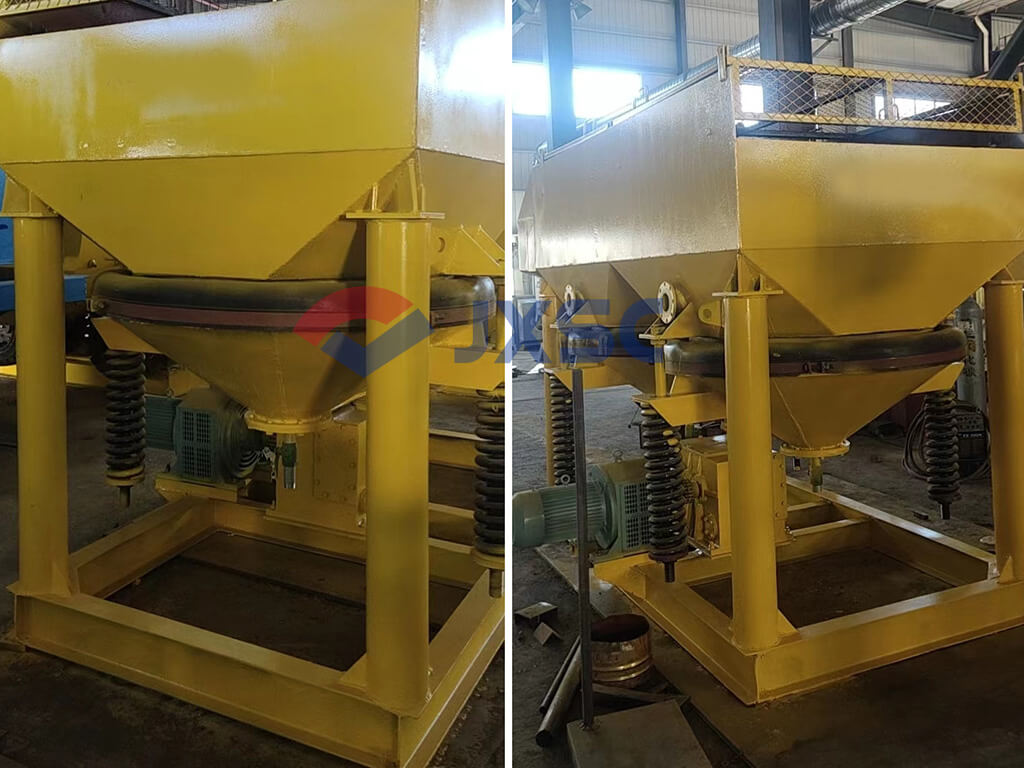
The jig separator is one of the most critical pieces of equipment in the field of gravity separation; by utilizing pulsating water flow to stratify minerals based on density, it can efficiently process more than ten types of metallic and non-metallic minerals, including gold, diamonds, iron ore, manganese ore, tin ore, and tungsten ore.
Principle:
The jig separator utilizes differences in mineral density to achieve stratification within an alternating upward and downward water flow. Heavier minerals settle at the bottom to form the concentrate, while lighter minerals are carried away by the water flow as tailings, thereby affecting separation. This principle makes the equipment particularly suitable for recovering minerals with significant differences in specific gravity.
Types of Jig Separators
● Diaphragm Jig Separator:
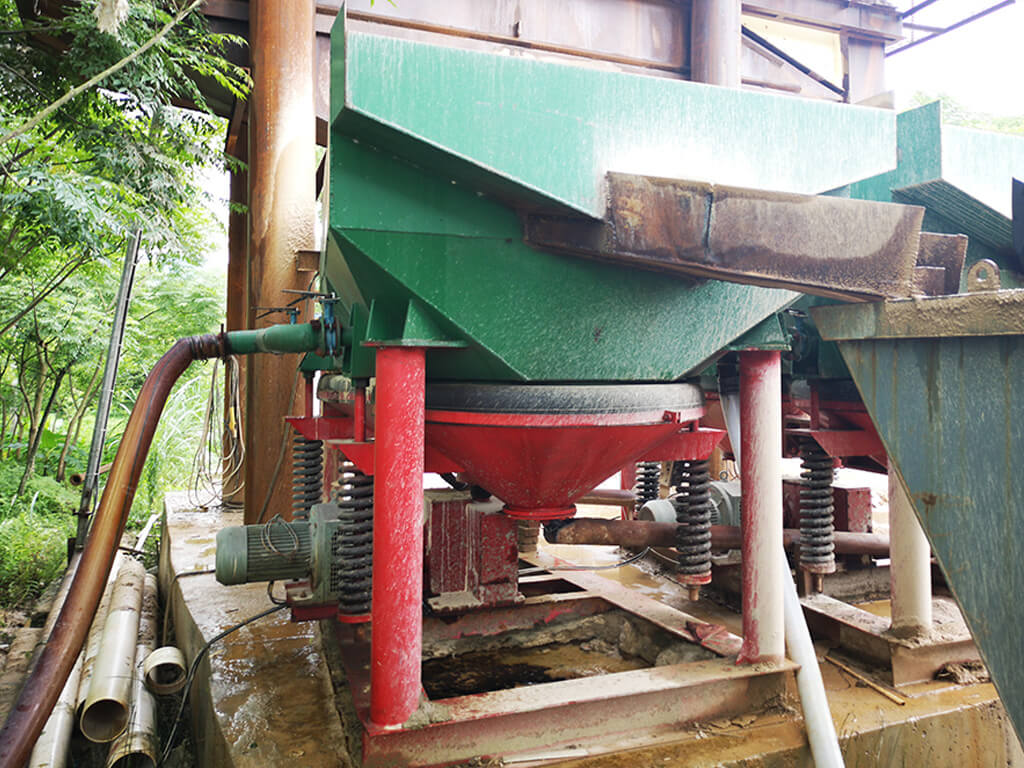
This type generates pulsations via a rubber diaphragm, offering high stability; it is suitable for small- to medium-sized processing plants. The diaphragm jig is the most widely used classic model. The top-drive version features a compact structure, making it ideal for small- to medium-sized plants, while the bottom-drive version offers high processing capacity, suitable for large-scale production. Additionally, the side-drive version excels in processing coarse-grained ores.
● Sawtooth Wave Jig Separator:
This model utilizes a specialized waveform water flow to enhance separation precision, ensuring more effective bed loosening and more thorough settling of heavy minerals. The sawtooth wave jig performs exceptionally well in the recovery of fine-grained particles.
Key factors affecting the ore compatibility performance of a jig separator
Particle size range:
Jigs are good at processing medium to coarse-grained ores. Coarse particles settle rapidly, resulting in high separation efficiency, whereas fine particles require more precise control of pulsation parameters.
Specific Gravity Difference:
The greater the density difference between minerals, the better the separation performance. For instance, gold and quartz are easily separated, whereas minerals with similar specific gravities require adjustments to process parameters.
Water Flow and Pulsation Frequency:
If the frequency is too high, heavy minerals lack sufficient time to settle; if it is too low, processing capacity decreases. Advanced jig separators can dynamically adjust water flow velocity and pulsation frequency to accommodate varying ore characteristics, thereby significantly enhancing separation efficiency and reducing energy loss.
Best Ores for Jig Separators in 2026
Types of Ores Processed by Jig Separator
(1) Gold Ore
In 2026, the jig separator remains core equipment for the efficient recovery of coarse-grained gold. In alluvial gold deposits, the significant density difference between gold particles and gravel allows jigs to recover coarse gold efficiently. For rock/vein gold deposits, jigs are used for pre-concentration and waste rejection after crushing, substantially reducing the volume of material requiring subsequent grinding.
(2) Diamond
There is a distinct density difference between diamonds (3.52 g/cm³) and gangue minerals (2.6 g/cm³), making them highly suitable for gravity separation using jigs. In diamond deposits across regions like Angola and the Congo, jigs are widely used for the roughing stage of both alluvial and primary kimberlite deposits due to their high processing capacity and stable separation performance, thereby boosting diamond recovery rates.
(3) Iron Ore (Hematite/Limonite)
Hematite (4.8–5.3 g/cm³) and limonite (3.3–4.0 g/cm³) have densities far higher than that of gangue (e.g., quartz at 2.6 g/cm³); consequently, jigs are efficiently employed for pre-concentration and waste rejection of coarse iron ore. This effectively lowers the load on downstream grinding and magnetic separation processes, resulting in significant energy savings.
(4) Manganese Ore
Combined gravity and magnetic separation processes are commonly used for manganese ore beneficiation, with jigs playing a pivotal role in the roughing stage. Due to the high density of manganese ore and its significant density contrast with gangue, jigs can first recover coarse manganese particles; subsequent magnetic separation then enhances overall beneficiation efficiency.
(5) Tin & Tungsten
Tin and tungsten are heavy minerals; they are two to three times denser than the gangue, creating a massive density differential. JT sawtooth wave jig separators excel in separating fine-grained tin and tungsten ores thanks to their high adaptability. Their precise stratification capabilities improve concentrate grade and minimize the loss of ultra-fine mineral particles.
(6) Barite
Barite has a high density of up to 4.5 g/cm³, creating a significant density difference compared to gangue minerals. A single stage of roughing using a jig can produce high-quality concentrate; the process flow is extremely streamlined, resulting in low investment and operating costs. Jigging has become the standard configuration for barite beneficiation.
(7) Coltan/Tantalum
Tantalum-niobium ores typically possess high density and significant value; jigs enable rapid enrichment during the roughing stage. Saw-tooth wave jigs effectively recover fine-grained tantalum-niobium minerals, substantially reducing the processing load for downstream shaking tables. They are particularly well-suited for alluvial tantalum-niobium and coltan deposits in Africa and South America.
(8) Titanium
In coastal placer (beach sand) deposits, there is a distinct density difference between ilmenite and quartz sand. For heavy minerals like ilmenite, jig machines can upgrade the concentrate during preliminary separation, reduce the workload for subsequent magnetic and electrostatic separation stages, and enhance overall economic efficiency.
Ores with Moderate to Limited Compatibility
◇ Copper Ore
In oxidized copper ores, copper minerals have a higher density than the gangue; jigs can effectively recover them when the minerals are coarsely disseminated. However, flotation is a more economical and efficient process for sulfide copper ores. Therefore, jigging is suitable only for specific types of copper ore.
◇ Lead-Zinc Ore
Galena and sphalerite in lead-zinc ores have high densities, making the jig separator suitable for pre-concentration and waste rejection. However, finely disseminated lead-zinc ores require fine grinding and flotation to achieve adequate mineral liberation.
◇ Ores NOT Suitable for Jig Separation
Ultra-fine minerals:
Particles smaller than 0.1 mm settle extremely slowly in water. The jig bed cannot be effectively fluidized, resulting in very low recovery rates. Such ores are better suited for processing via flotation or centrifugal concentrators.
Minerals with insufficient density difference:
When the density difference between the target mineral and the gangue is less than 1.0, stratification in the jig becomes largely ineffective. In such cases, more precise processing methods—such as flotation or magnetic separation—should be considered.
Sulfide ores:
Sulfide minerals possess hydrophobic surfaces, allowing flotation reagents to adsorb onto and capture them precisely. When processing fine-grained sulfide ores, the recovery rate achieved by jigs is far inferior to that of flotation.
How to Choose the Right Jig Separator for Your Ore
1. Matching Jig Type to Ore Characteristics
Ores vary significantly in terms of particle size, density, and dissemination characteristics; therefore, selecting the right jig model is crucial. Please let us know the specific type of ore, and JXSC will tailor a jig separator for you.
| Ore Type | Recommended Model | Advantage |
|---|---|---|
| Gold / Diamond | JT Sawtooth Wave Jig | High concentration ratio, stable recovery rate |
| Iron Ore / Manganese Ore | Diaphragm Jig | Suitable for coarse particle separation |
| Coltan / Tin Ore | Bottom-Drive Jig | Precise control of pulsation curve |
| Titanium / Ilmenite | JT Jig | Good roughing recovery performance |
| Tantalum-Niobium Ore (Coltan) | JT Sawtooth Wave Jig | Excellent pre-concentration efficiency for fine particles |
2. Capacity Considerations
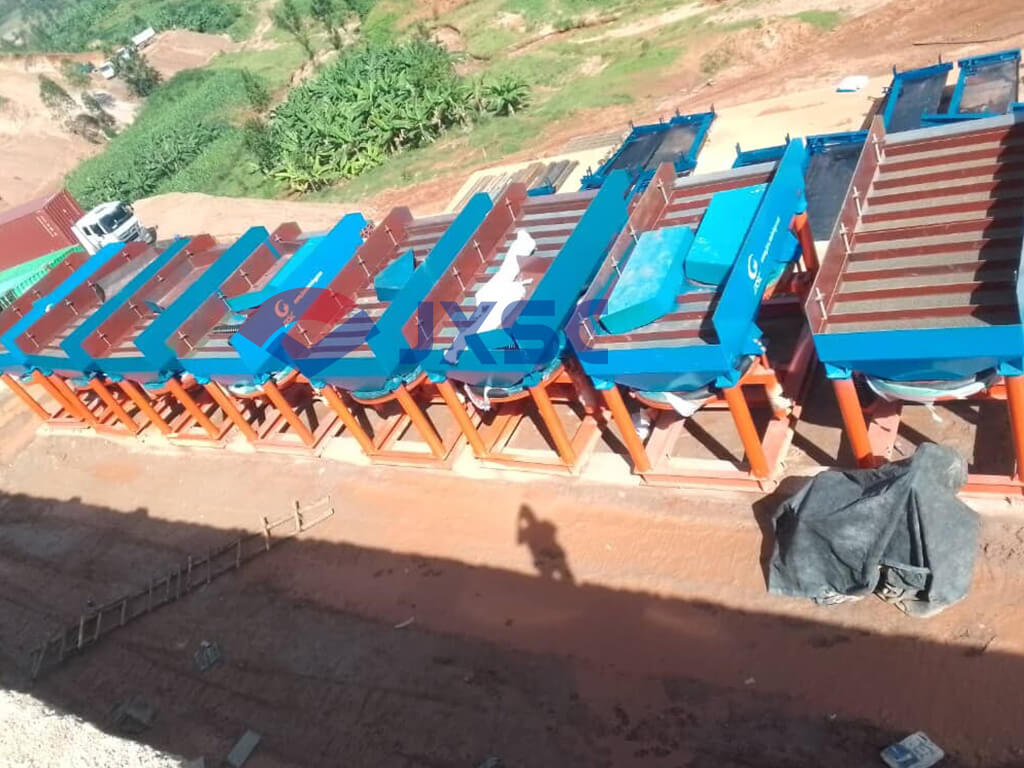
A single jig separator offers a processing capacity ranging from 1 to 25 tons per hour. In large-scale processing plants, multiple units can be operated in parallel to meet high-volume, continuous processing requirements.
3. Water and Energy Consumption Factors
As jig machines utilize water as the separation medium, water consumption is a critical factor in equipment selection. Saw-tooth wave jig machines consume approximately 30% less water than traditional models; in water-scarce regions, a circulating water system can be installed to enable water reuse. Regarding energy consumption, the equipment requires power only for the drive motor and water pump, and modern variable-frequency drive technology can further reduce electricity usage.
4. After-Sales and Warranty Considerations
When purchasing, consider the availability of installation guidance and the speed of spare parts supply. It is advisable to prioritize brands with local service networks to minimize downtime during maintenance. Additionally, verify whether the manufacturer provides services such as installation guidance, on-site commissioning, and operational training.
Conclusion
In 2026, selecting jig separators compatible with the ore will be a key step for ore processing plants to reduce costs and improve efficiency. Jigs are mainly suitable for the separation of gold, tungsten, tin, iron, and tantalum-niobium ores. However, factors such as processing capacity, water and power consumption, and after-sales service are equally critical when making a purchase. Only by precisely matching the equipment to the ore’s characteristics can the jig machine’s separation potential be fully realized, leading to significantly improved separation efficiency and operational profitability. With extensive experience in jig machine R&D and the optimization of mineral processing technology, JXSC offers customized equipment and beneficiation solution designs tailored to your specific ore, ensuring that every ton of ore is utilized to its full potential.
 English
  Spanish
  French
  Russian