Chain Plate Feeder

Heavy-Duty Mining Feeding Solution For Bulk Material Handling

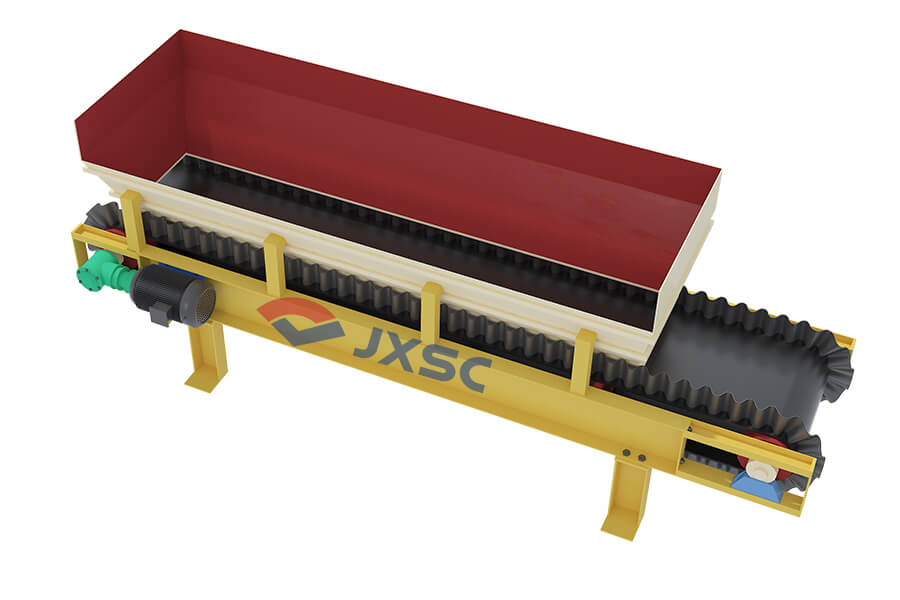
Chain plate feeders are heavy-duty continuous feeding devices specifically designed for industries such as mineral processing, metallurgy, and building materials. Their core function is to uniformly and continuously transport lumpy and granular materials from the hopper to the feed inlets of crushing and screening equipment, preventing downstream equipment overload and idling losses caused by uneven feeding. They are a crucial element in ensuring the stable operation of the entire mineral processing production line. Furthermore, chain plate feeders can achieve precise material supply by adjusting the motor speed or using a frequency converter to control the conveying volume.

Brief Intro

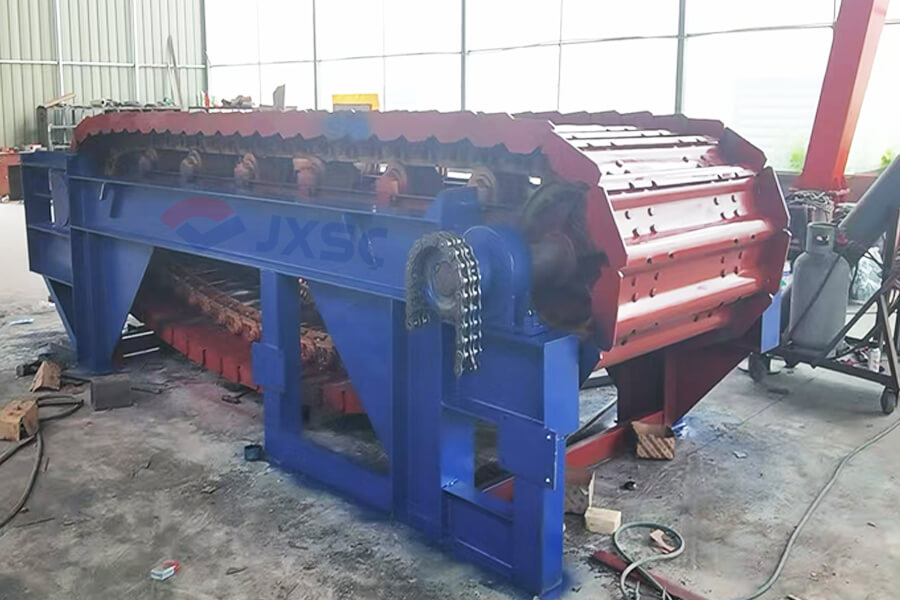
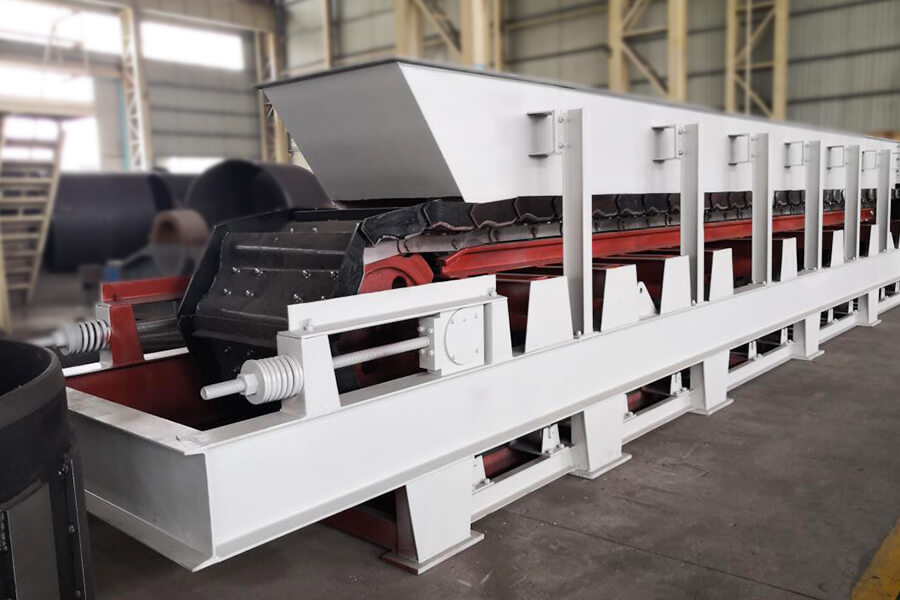
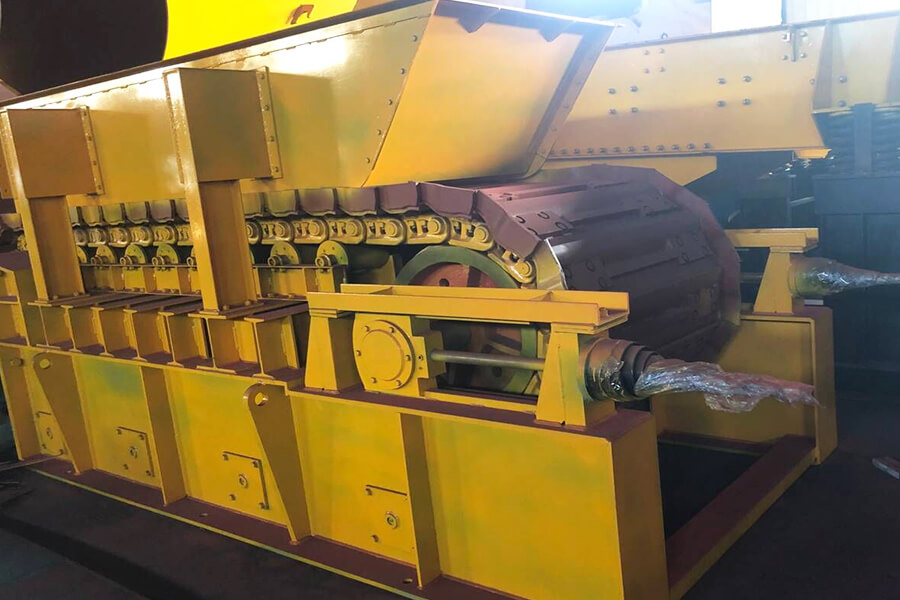
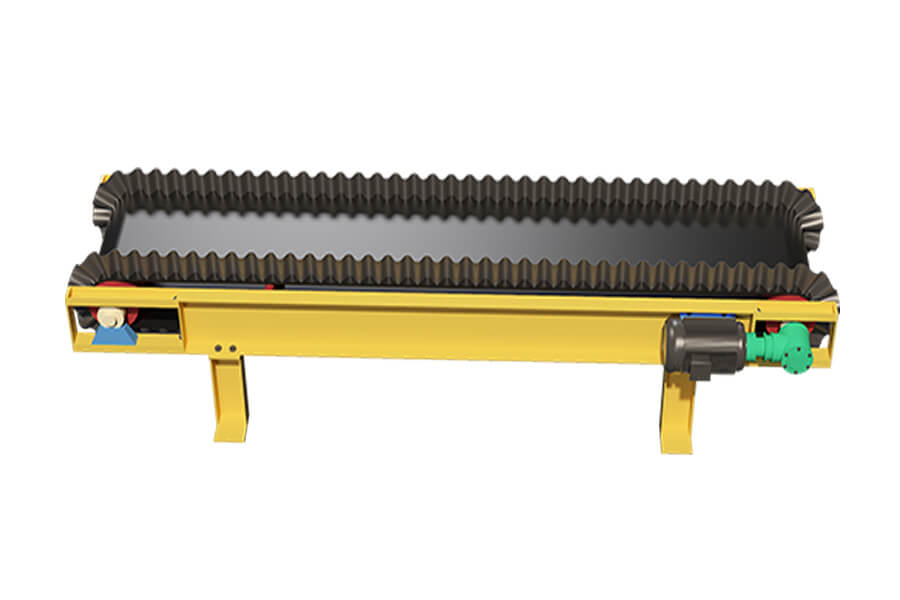
The chain plate feeder, also known as a heavy-duty apron feeder, consists of a core structure of wear-resistant chain plates, a drive unit, a frame, and support rollers. It achieves directional material transport through the cyclical movement of the chain plates. It is widely used for uniform and stable short-distance transport of large, high-density, or highly abrasive materials, such as metallic ores, non-metallic ores, sand, gravel, slag, coal, and tailings. Compared to other types of feeding equipment, the chain plate feeder has a significant advantage in adaptability to large-particle, hard, and highly viscous wet ores. It has a stronger load capacity, higher impact resistance, and longer service life, making it particularly suitable for high-frequency, high-load operation in harsh production environments. Furthermore, an adjustable scraper is installed at the tail end to promptly clean sticky materials adhering to the chain plates, preventing material accumulation at the tail end that could cause jamming or tooth skipping. The conveying capacity of this chain plate feeder can be flexibly adjusted according to production needs, ensuring efficient matching with downstream equipment such as crushers and screening machines, and improving the overall operating efficiency of the production line.

Why Choose Our Chain Plate Feeder

Chain Plate Feeder

Wear-resistant Chain Plates:

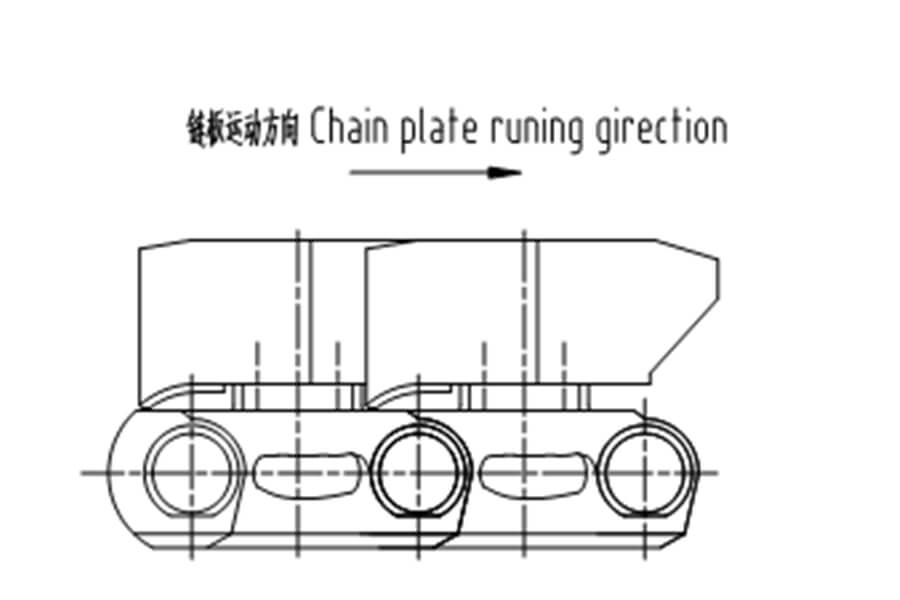
Made of high manganese steel or alloy steel, wear-resistant strips can be welded to the surface to extend service life.

Heavy-duty Frame:

Box-type welded structure, earthquake-resistant and deformation-resistant, adaptable to heavy-load impact.

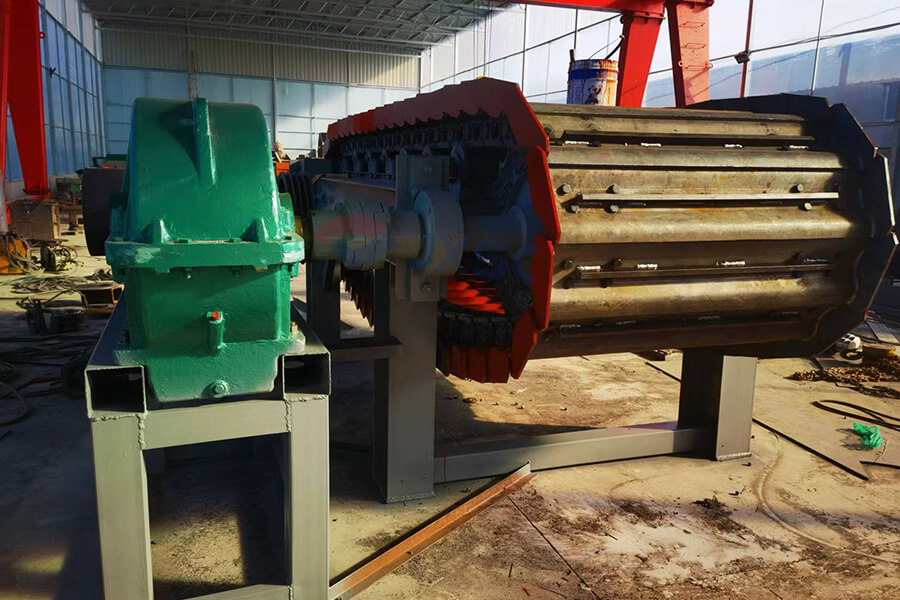
Drive Unit:

rigid coupling + hardened gear reducer, paired with a variable frequency motor to achieve stepless speed regulation.
Advantages

1. Wide range of material adaptability: It can transport various large blocks and heavy granular materials, with a single unit conveying capacity of up to 400 cubic meters per hour.

2. Flexible feed rate adjustment: The drive motor is equipped with a variable frequency speed control system as standard, and the feed rate can be adjusted to flexibly adapt to the needs of mineral processing production lines with different production capacities.

3. Excellent impact and wear resistance: The chain plate is made of high-strength wear-resistant manganese steel, which can withstand the direct impact of large pieces of ore falling from a high hopper. The replacement cycle of vulnerable parts is more than twice as long as that of ordinary feeders.

4. High operational stability: The combination of multi-point roller support and adaptive tension design can effectively avoid common faults such as material jamming, chain slippage, and deformation.

5. Flexible installation and layout: It can be installed horizontally or at an angle according to the site space, and can be adapted to the layout of downstream equipment such as silos, crushers or mud-stone separators with different height differences, reducing project installation costs.

6. All-environment adaptable structure: It can adapt to harsh working environments such as open-air, underground, high dust, and high humidity, and can be equipped with special configurations such as explosion-proof, cold-resistant, and high-temperature resistant according to needs.

7. Lower maintenance costs: The modular design of the whole chain plate feeder makes it easy to replace vulnerable parts. The trough plate, chain, and other vulnerable parts are highly versatile and have low replacement costs.

8. Support custom: Adding dustproof and soundproof covers, pre-screening grids, adjusting the width and length of the chain plates, etc. Side baffles can also be designed to prevent materials from slipping or piling up unevenly.

Chain Plate Feeder Working Principle

The working principle of a chain plate feeder is based on the cyclical movement of chain plates driven by a chain, achieving uniform material conveying. During operation, the motor drives the drive sprocket to rotate via a reducer, which in turn moves the chain plates mounted on both sides of the chain. Material falls from the feed inlet onto the chain plate surface and is then transported to the discharge outlet as the chain plates move, completing the conveying process.

Chain Plate Feeder 6
Chain Plate Feeder Structure

Specification

Model

Scraping Belt

Feeding Capacity

Motor Power

Weight (kg)

Overall Dimensions (mm)

/

Width(mm)

Center distance of sprocket (mm)

Speed(m/s)

(m³/h)

(kw)

(kg)

(mm)

GBZ120-4.5

1200

4500

0.05

100

15

31279

6983×5228×2080

GBZ120-5

5000

33427

7593×5228×2080

GBZ120-5.6

5600

34321

8183×5228×2080

GBZ120-6

6000

35900

8638×5228×2080

GBZ120-8

8000

22

41342

10533×5293×2080

GBZ120-8.7

8700

43164

11383×5293×2080

GBZ120-10

10000

46962

12583×5293×2080

GBZ120-12

12000

51844

14653×5293×2080

GBZ120-15

15000

30

62157

17658×5518×2080

GBZ150-4

1500

4000

150

15

33197

6613×5528×2080

GBZ150-6

6000

22

39257

8638×5593×2080

GBZ150-7

7000

43352

9633×5593×2080

GBZ150-8

8000

45962

10533×5593×2080

GBZ150-9

9000

30

50522

11683×5668×2080

GBZ150-12

12000

45

59915

14653×5888×2080

GBZ180-8

1800

8000

240

45

51360

10533×6188×2080

GBZ180-9.5

9500

57397

12033×6188×2080

GBZ180-10

10000

59632

12593×6188×2080

GBZ180-12

12000

66029

14653×6188×2080

GBZ240-4

2400

4000

400

30

44780

6613×6718×2080

GBZ240-5

5000

50737

7533×6718×2080

GBZ240-5.6

5600

52447

8133×6718×2080

GBZ240-10

10000

45

76373

12593×6718×2080

GBZ240-12

12000

853

14653×6718×2080


Frequently Asked Questions

A chain feeder is suitable for large, hard materials with sharp edges. It has a stronger load-bearing capacity and is more impact-resistant, and can withstand the continuous pressure of a high-level hopper. A vibrating feeder is more suitable for light-load applications with powdery or small granular materials, but it is more susceptible to the moisture and viscosity of the material.

For sticky and wet materials (such as clay, wet coal, etc.), it is recommended to choose a chain plate feeder model with a scraper cleaning system, or to install an anti-stick coating on the surface of the chain plate. At the same time, reducing the conveying speed and increasing the frequency of regular cleaning can effectively reduce material adhesion.

Chain plate width is typically 1.2m-2.4m; the specific width depends on the maximum particle size of the material and the processing capacity of the production line. For special requirements, please contact us for a customized design.

Yes, the equipment can use high-temperature resistant chain plates and a special lubrication design. For special high-heat materials, additional cooling devices can be installed to ensure long-term safe operation.

Speak to Our Experts Today

Contact Us

illustration

search Products

JXSC LOGO dark

Speak to Our Experts Today

Contact Us