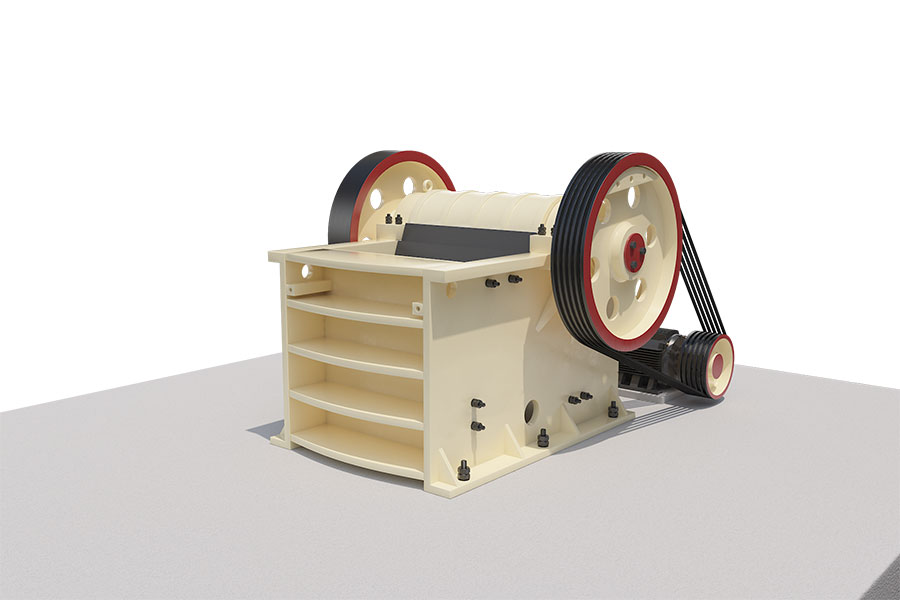
Mobile Crushers

All-in-One Mobile Crushing & Screening Solutions For Quarries and Mines

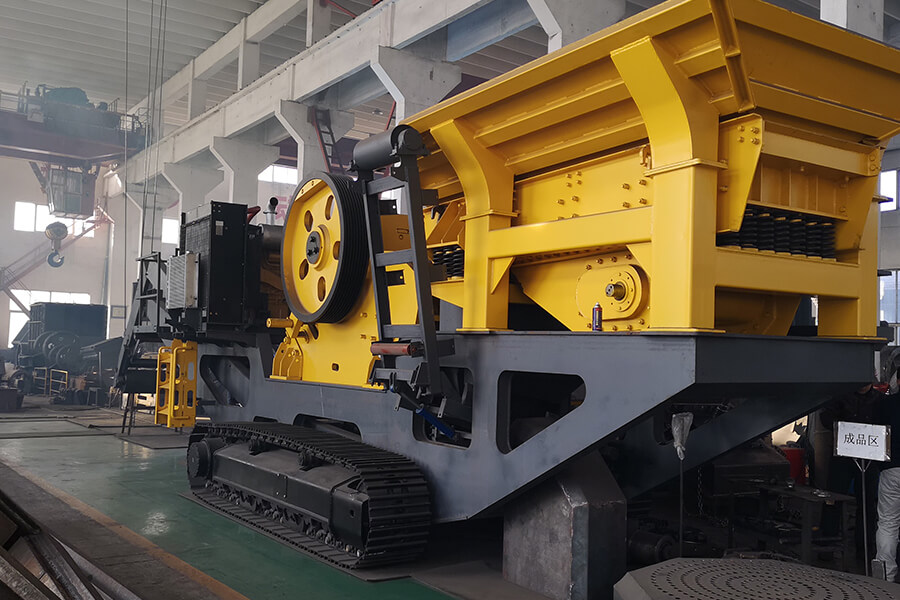
The mobile crushers are modular crushing units that integrate feeding, crushing, screening, and conveying functions, capable of operating directly at mining sites, construction zones, or waste processing locations. It utilizes a wheeled or tracked chassis for rapid relocation, making it particularly suitable for open-pit mines, urban demolition projects, and operations in remote areas, thereby significantly reducing material transportation costs. Featuring a modular design, the mobile crushing unit enables primary or secondary crushing of ore, construction waste, or rock without the need for fixed infrastructure, offering “plug-and-play” flexibility and allowing for quick deployment.

Brief Intro

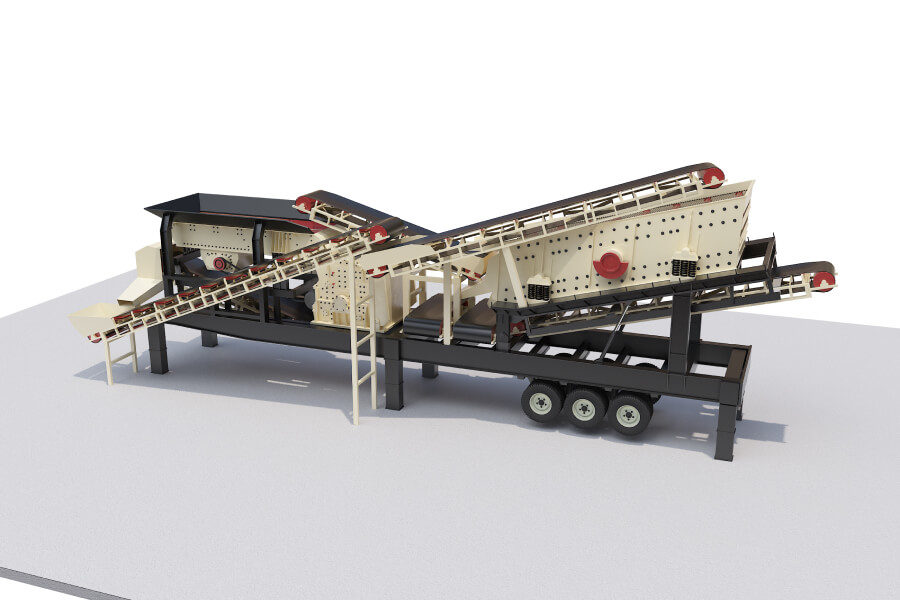
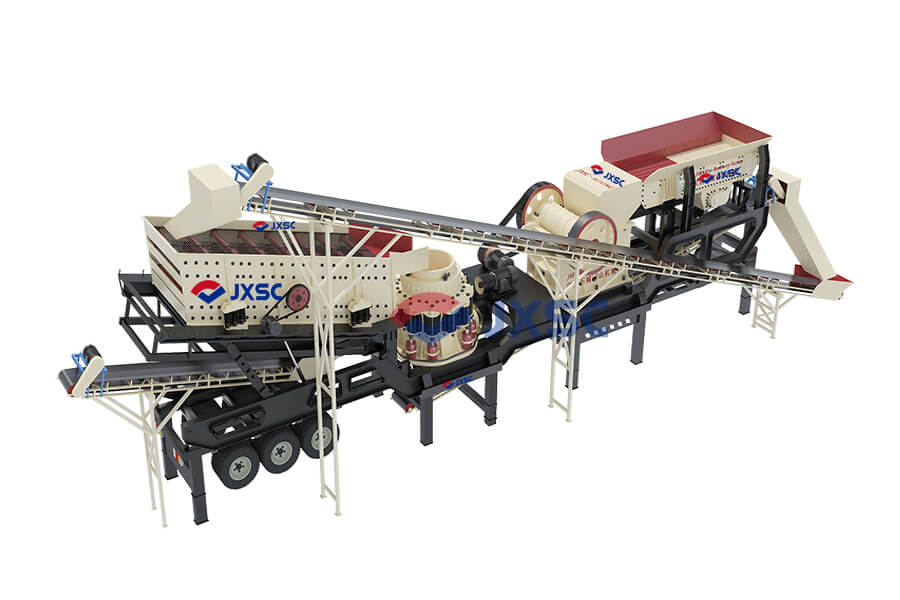
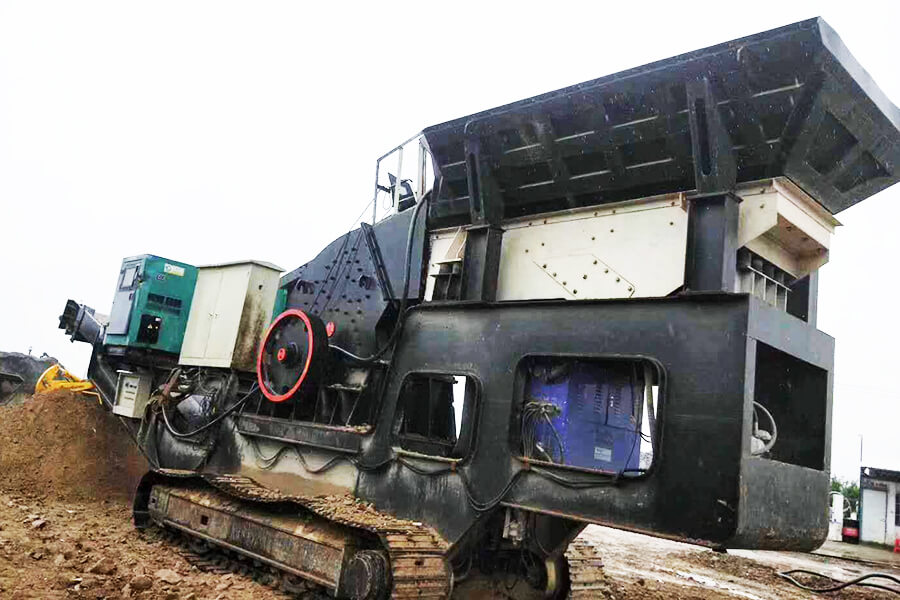
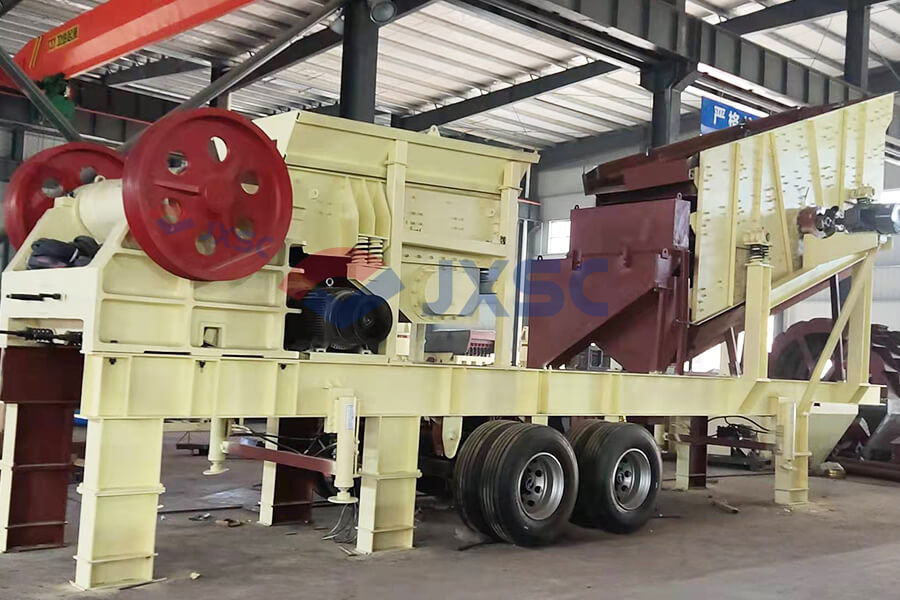
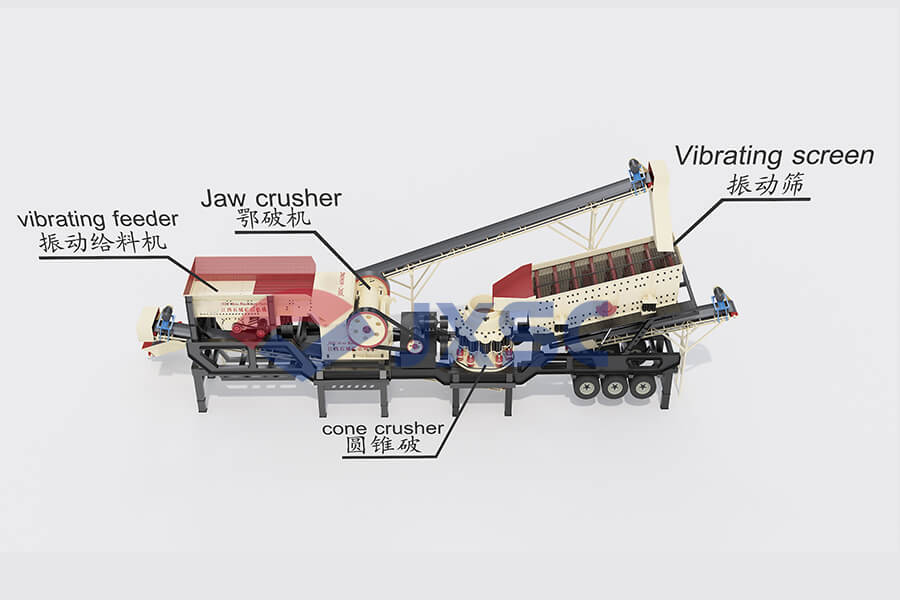
Mobile crushers, also known as mobile crushing plants or mobile crushers and screeners, are relocatable & portable crushing and screening equipment that integrates feeding, crushing, screening, and conveying functions. All equipment is mounted on either a wheeled chassis (semi-trailer style, requiring a towing vehicle for relocation) or a tracked undercarriage (hydraulically driven for self-propelled movement), embodying the “one machine, one production line” design concept. Based on their mobility mechanism, mobile crusher plants are primarily categorized into wheeled types (mounted on a semi-trailer chassis requiring a towing vehicle for relocation) and tracked types (hydraulically driven and capable of self-propulsion).

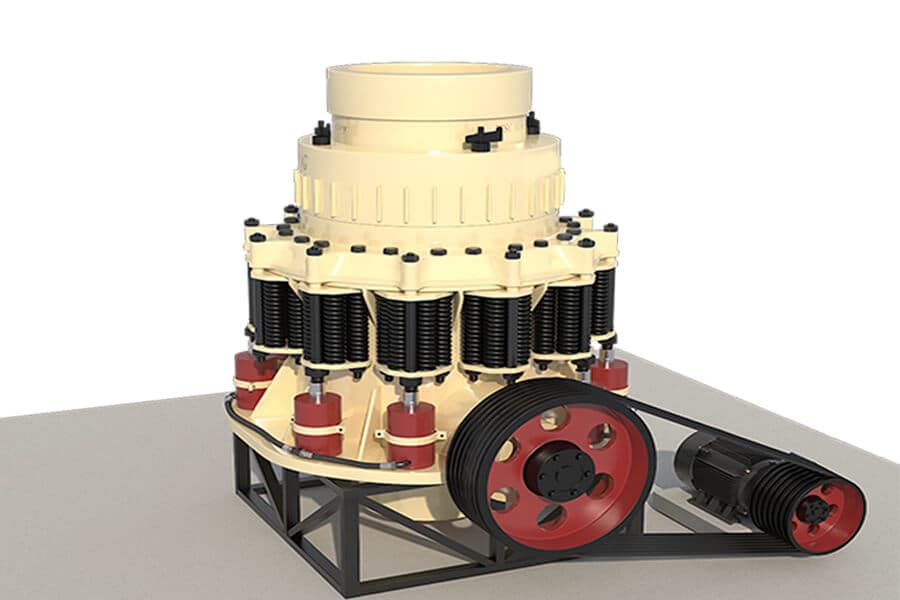
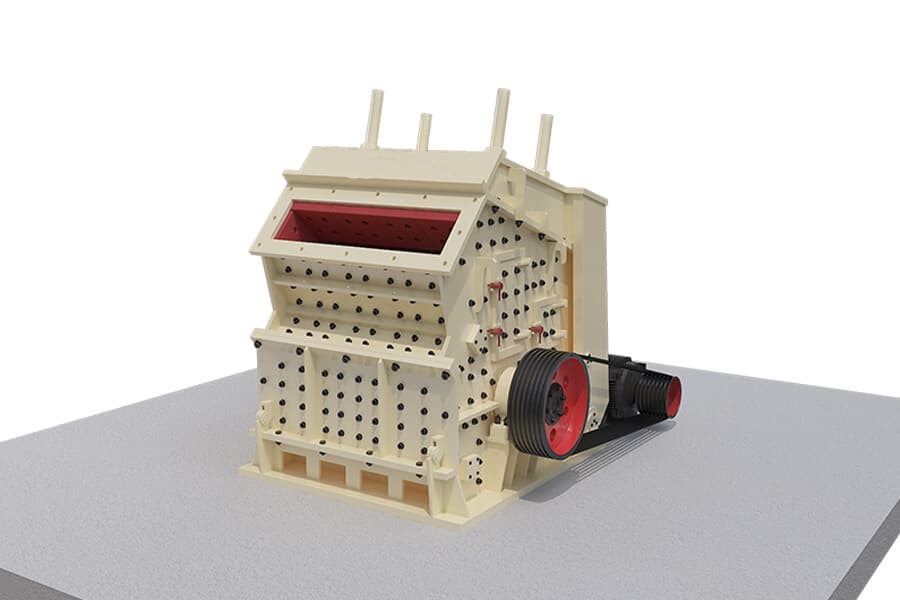
Based on the crushing unit employed, they are classified into types such as mobile jaw crushers (primary crushing), mobile impact crushers (secondary crushing and shaping), mobile cone crushers (medium-to-fine crushing of hard rock), and mobile vertical shaft impact crushers (sand making). With processing capacities ranging from 5 to 1,000 tons per hour, they are widely used in mining, aggregate production, construction waste recycling, and the construction of highways, railways, and hydroelectric projects. They are particularly well-suited for projects requiring frequent relocation or operations across dispersed sites.

Why Choose Our Mobile Crushers

Mobile Crushers

Modular Design:

Crushers, screening machines, and conveyors can be flexibly combined.

Powertrain:

Dual-power option featuring a diesel engine and an electric motor, suitable for off-grid environments.

Robust Chassis:

Tracked versions are suited for rugged terrain, while wheeled versions are ideal for road travel.

Lightweight Frame:

The compact design results in a small overall size and light weight, making it particularly suitable for working environments with narrow spaces and limited space.
Advantages

1. Highly mobile and quick to relocate: Features a built-in travel mechanism or towable design, allowing for rapid transfer between work sites without the need for disassembly or reassembly.

2. Ready for immediate operation: Eliminates the need for civil engineering works—such as concrete foundations and steel platforms—associated with stationary production lines, thereby significantly shortening the time to project launch and reducing initial investment.

3. Low transportation costs: Enables on-site crushing and processing of ore or waste materials directly at the extraction face or construction site, saving on the costs of hauling material to a stationary crushing station.

4.  Compact footprint: It integrates crushing, screening, and conveying processes into a single unit, requiring only one-third to one-half the floor space of a fixed production line, making it ideal for space-constrained sites.

5. Flexible configuration: Allows for the selection of specific crushing equipment units (jaw, hammer, impact, or cone crushers) and screen specifications based on material characteristics (hardness, moisture, clay content) and finished product requirements, offering versatile, multi-purpose functionality.

6. Easy maintenance: A modular design facilitates the disassembly and servicing of components, while key wear parts are made from highly wear-resistant materials for a long service life.

7. Enhanced durability: Key crushing components utilize high-manganese steel or composite alloy materials to extend service life.
8. Wide range of applicable materials: Mobile crushers are suitable for various rocks and ores, such as granite, basalt, iron ore, copper ore, gold ore, limestone, shale, etc., as well as construction waste materials, such as concrete, bricks, and asphalt blocks. They meet diverse requirements for mineral processing, building materials, and road construction.
9. Intelligent control: Equipped with an integrated PLC control system and wireless remote control; supports one-touch startup, fault self-diagnosis, and remote monitoring, reducing technical requirements for operators.
10. Superior environmental performance: Optional dust suppression spray systems, sealed dust covers, and noise reduction devices effectively control dust and noise emissions, meeting “green mine” environmental standards.
11. Wide operational adaptability: Crawler models offer low ground pressure and high traction, enabling operation in harsh conditions such as muddy mountainous terrain, with excellent climbing and off-road capabilities. Wheeled models are suited for paved roads or level sites, offering high efficiency and lower costs.
12. Power options: The machine can be powered by an electric motor (for areas with grid access) or a diesel engine (for remote mining sites).

Mobile Crushers Working Principle

The working principle of mobile crushers can be summarized as a closed-loop process comprising “feeding, crushing, screening, and conveying.” Material is evenly fed by a vibrating feeder into a jaw crusher (or impact/cone crusher) for primary crushing and then transported via conveyor belt to the screening module. Finished products meeting size specifications are discharged directly, while oversized material is returned for secondary crushing, creating a closed-loop cycle. The entire mobile crushing plant is centrally coordinated and controlled by an integrated electrical control system; some high-end models also feature intelligent monitoring and remote operation and maintenance capabilities, enabling automated, continuous production.

Specification

Equipment type

Model

Vibrating Feeder/Screen

Crushers

Belt Conveyor

Capacity (t/h)

Power (kw)

Max size(L * W * H)(mm)

Mobile Jaw Crusher

DN938P69

DN380×95 Feeder

PE600×900

B800×8M

70-150

91.5

13200×2900×4700

DN1142P710

DN420×110Feeder

PE750×1060

B1000×11M

90-200

134

15000×3100×5100

DN1349P129

DN490×130 Feeder

PE900×1200

B1200×13M

150-300

146

17000×3300×5600

Mobile Inpact Crusher

3YD1848F1210

3YD1848 Screen

PF-1210

B650×7M

70-300

128.5-150.5

12500×3000×6500

3YD1860F1214

3YD1860 Screen

PF-1214

B650×8M

90-400

154-190

13500×3000×6500

3YD2160F1315

3YD2160 Screen

PF-1315

B800×8M

120-450

210-297

14000×3200×6800

Mobile Cone Crusher

3YD1848DN10SX

3YD1848 Screen

DN1000S-X

B650×7M

70-300

99-134

13000×3000×6700

3YD1860DN12SX

3YD1860 Screen

DN1200S-X

B650×8M

120-400

212.5-220.5

14000×3000×6700

3YD2160HP200

3YD2160 Screen

HP200

B800×8M

140-450

257.5-264.5

14000×3200×6700


Frequently Asked Questions

A stationary crushing line is more economical for long-term operations at a fixed site. However, for projects with short durations or those requiring frequent relocation, mobile crushers eliminate civil engineering and transportation costs, resulting in a faster overall return on investment. We recommend consulting JXSC’s professional engineers for a comprehensive assessment based on project specifics, such as the distribution of mining sites, the operational lifespan, and the frequency of relocation.

For flat sites and long relocation distances, choose a tire-mounted mobile crusher, which has low towing costs. For complex terrain and frequent movement within the mining area, a tracked mobile crusher is selected. It can move autonomously and has a strong climbing ability.

Mobile crushers offer a wide range of processing capacities, depending on the model and configuration of the primary crusher. Small-to-medium units typically handle 5–200 tons per hour, while large-scale units can process 300- 1,000 tons per hour. The specific model selection depends on factors such as raw material hardness, feed particle size, finished product specifications, and daily processing targets. For ultra-large projects, a multi-unit crusher combined operation setup can be employed.

Yes. We can configure the unit with a double-deck vibrating feeder (featuring a pre-screening function) to separate fine particles and clay before the material enters the main crusher, effectively preventing clogging. Additionally, impact crushers and hammer crushers are well-suited for handling moist materials.

① Type of material to be crushed (e.g., granite, limestone, river pebbles, etc.); ② Maximum feed size (mm); ③ Target finished product size and gradation requirements; ④ Required hourly processing capacity (t/h); ⑤ Site terrain conditions (flat ground/mountainous area); ⑥ Whether screening and material return systems are required. Upon receiving this information, we will provide a customized crushing solution and a price quote.

Our mobile crushers can be equipped with multi-stage spray dust suppression systems, fully sealed dust covers, and low-noise engines; dust emission levels and noise are effectively controlled to meet national and local environmental regulations.

Explore Auxiliary Equipment

JXSC LOGO dark

Speak to Our Experts Today

Contact Us

    search Products