
Among gravity separation equipment, the mining shaker table is renowned for achieving concentrate recovery rates exceeding 95% and enrichment ratios of up to 300:1; it is widely used for the fine separation of over 30 types of minerals, including gold, copper, tungsten, tin, and tantalum-niobium. It comprises 7 key components: the head motion mechanism, electric motor, slope adjuster, deck, feed box, water trough, and riffles. These components perform distinct yet interconnected functions—ranging from differential motion and thin-film stratification to ensuring uniform feed distribution and precise water supply. But how do these parts work in concert to deliver such high recovery rates? This article breaks down these 7 core components, offering mining engineers, processing plant operators, and equipment procurement decision-makers an in-depth understanding of the critical structural elements of the mining shaking table.
What Is a Mining Shaker Table?
Definition:
The mining shaker table is a piece of gravity separation equipment that relies entirely on physical principles. It uses deck vibration and water flow to separate minerals by density. The process requires no chemical reagents, achieving efficient separation solely through physical mechanics. It handles materials ranging from coarse sand to fine slime, making it suitable for a wide range of applications.
Core Applications:
Shaking tables are widely used to process precious and rare metals such as gold, tungsten, tin, tantalum, and niobium. In gold plants, they are often integrated with jigs and centrifugal concentrators to upgrade rougher concentrates. Tungsten and tin ores can be processed directly to produce final concentrates and tailings with significant enrichment. They are also suitable for separating iron, manganese, and copper ores, recovering particles in the 2 mm to 0.02 mm size range. Whether for small-scale testing or industrial production, JXSC offers designs including mobile, double-deck, and multi-deck models—to flexibly meet diverse processing requirements.
Key Advantages:
The mining shaker table produces distinct separation zones and offers high precision, yielding three separate products in a single pass: concentrate, middlings, and tailings. They require no chemical reagents and operate solely on electricity, resulting in low operating costs. The equipment features a simple structure that is easy to operate and maintain, requiring only minimal operator training. The deck is typically made of fiberglass-reinforced polyester resin, offering excellent wear and corrosion resistance for a long service life. Stroke length and deck slope can be adjusted to accommodate different ore types. From an environmental perspective, the process allows for wastewater recycling, making it an eco-friendly solution.
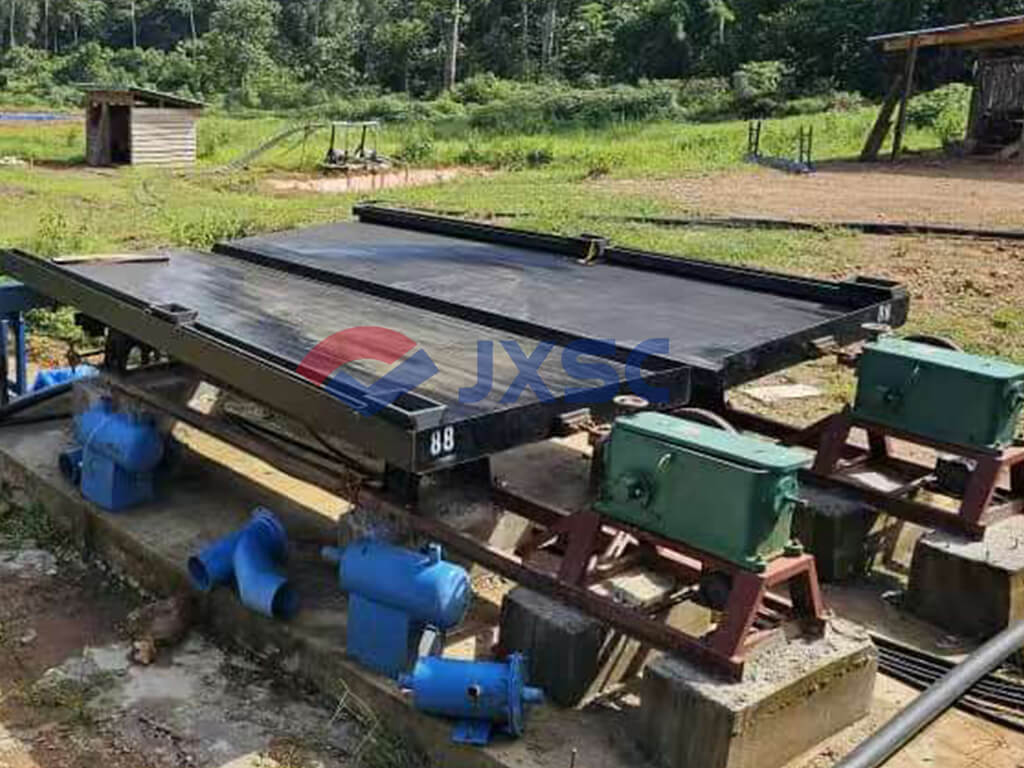
7 Key Components Details Of a Mining Shaker Table
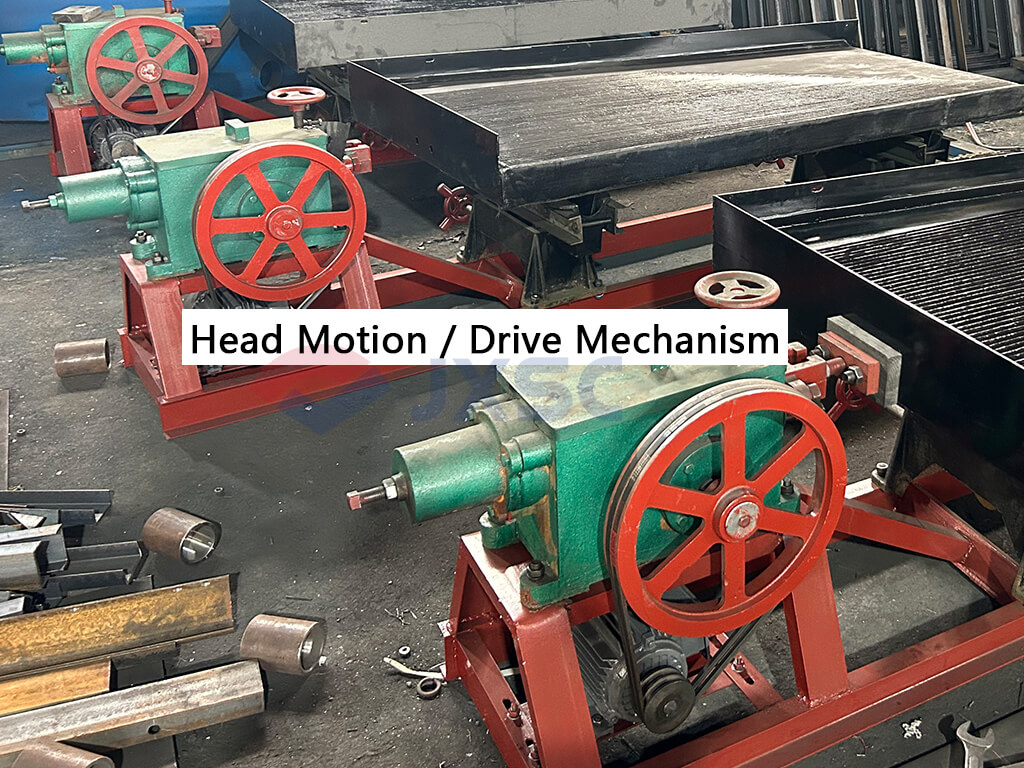
1. Head Motion (Drive Mechanism)
Function:
The head motion converts the motor’s rotary motion into the differential reciprocating motion of the table deck. It drives the deck to advance slowly and retract quickly, causing mineral particles to loosen and stratify on the deck surface, thereby achieving separation based on density differences.
Common Types:
The eccentric connecting-rod type features a simple, reliable structure and is the most classic and widely used design. The cam type offers more precise motion curves, making it suitable for specialized mineral processing tasks requiring high separation accuracy.
Stroke Adjustment Range:
Coarse sand processing requires a longer stroke, typically between 16 and 22 mm. Fine sand processing uses a moderate stroke, ranging from 11 to 16 mm. Slime processing requires the shortest stroke, typically 8 to 16 mm.
Optimization Recommendations:
Regularly check the lubricating oil level and quality to ensure effective splash lubrication. Springs are prone to fatigue; periodically inspect them for any loss of elasticity. If abnormal noise or vibration occurs, stop the machine immediately to inspect the drive mechanism.
2. Electric Motor
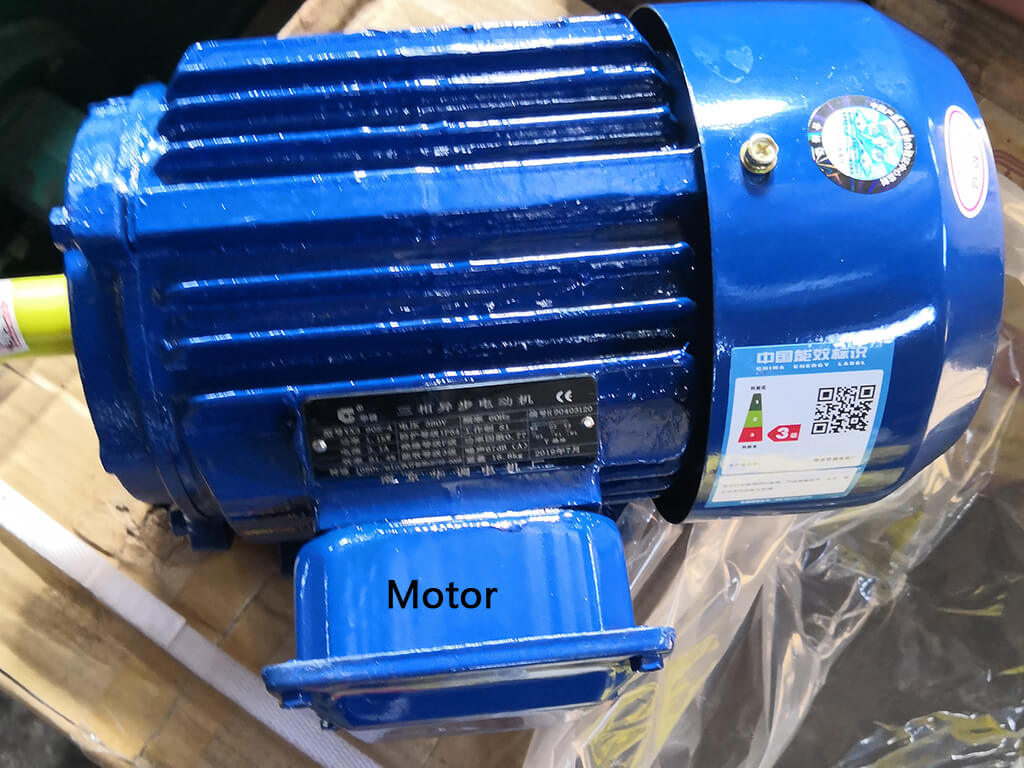
Standard Power Rating:
The 6S standard shaker table is typically powered by a 1.1 kW three-phase asynchronous motor. Double-deck or multi-deck shaking tables require motors with higher power ratings.
Belt Drive System:
The motor transmits power to the crankshaft via a pulley, allowing for initial rotational speed adjustment. Changing pulleys of different diameters alters the stroke frequency to suit the requirements of specific ore types. The belt tension requires regular inspection to prevent slippage, which would otherwise compromise transmission efficiency.
Trend Toward Variable-Frequency Motors:
Modern mineral processing plants are increasingly adopting variable-frequency motors to replace traditional fixed-speed motors. Variable-frequency motors enable stepless adjustment of the stroke frequency, eliminating the need to stop the machine to change pulleys.
3. Deck / Table Surface
Material:
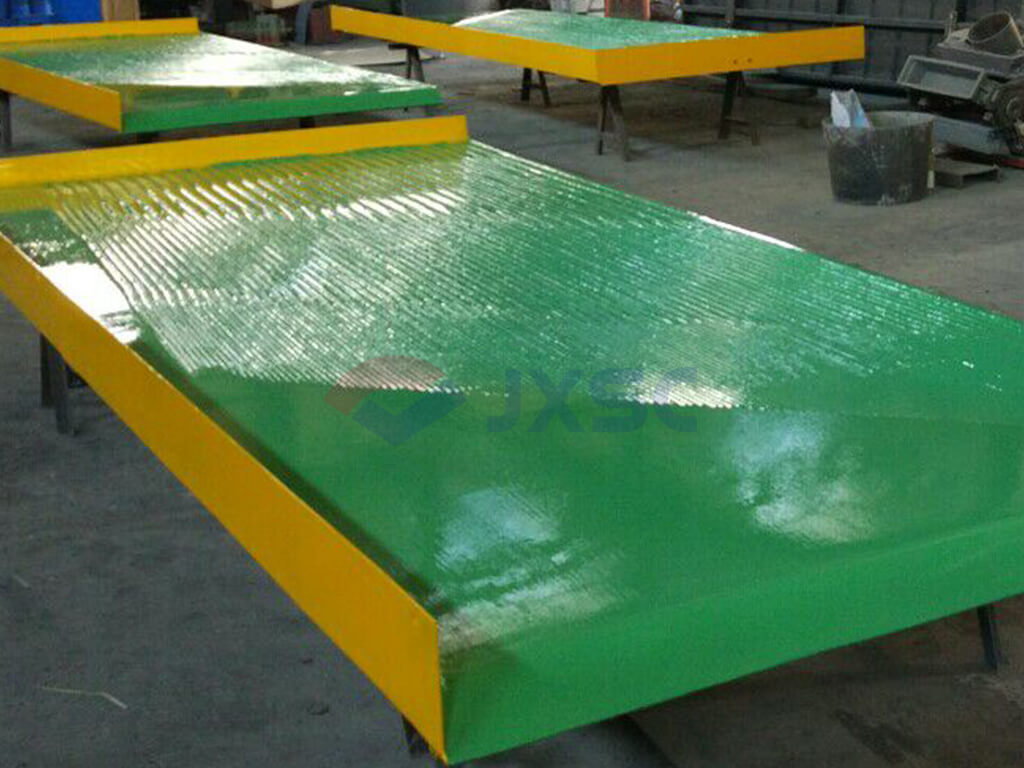
The deck features a composite structure combining fiberglass (FRP) with a steel framework, balancing strength and lightweight properties. The surface is coated with a wear-resistant corundum layer, offering excellent resistance to abrasion and corrosion. This material performs stably in acidic slurry environments and ensures a long service life.
Differences between the three deck types:
● The coarse sand deck features 46 rectangular riffles and is suitable for coarse particles.
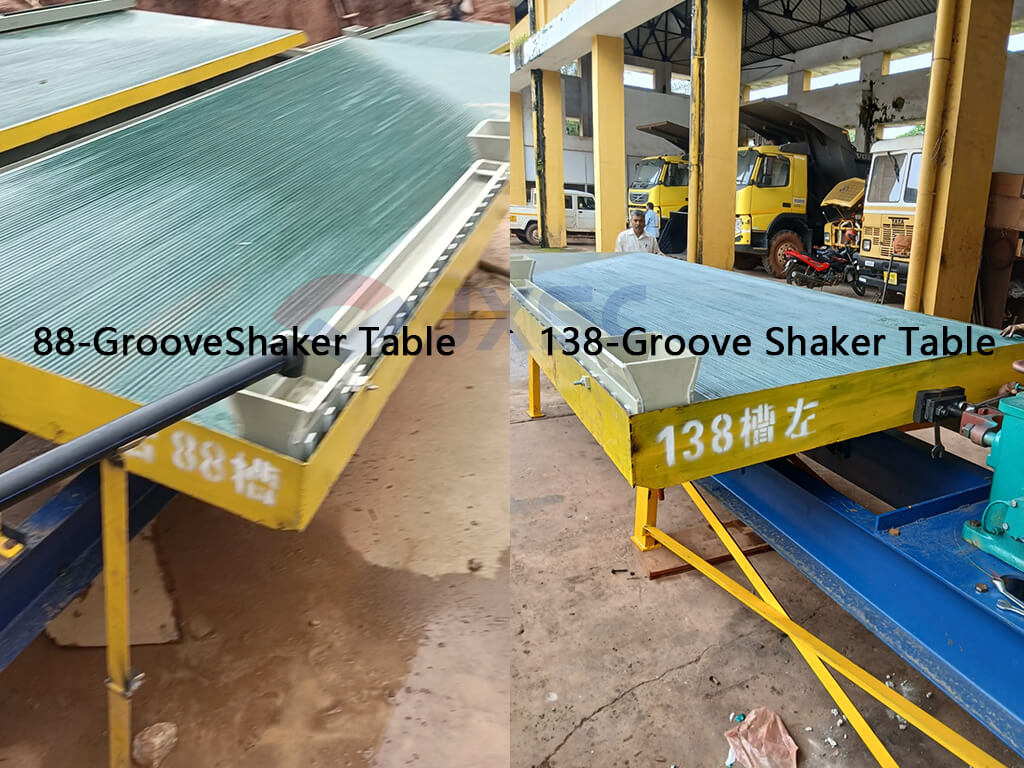
● The fine sand deck is equipped with 60 or 88 sawtooth riffles, offering higher separation precision.
● The slime deck features over 110 triangular riffles, specifically designed to capture ultra-fine particles.
Common Issues:
Localized wear may occur after prolonged use, particularly in the feed zone. Fatigue in the steel framework can lead to deck deformation, necessitating timely inspections. Regularly checking the deck’s flatness and performing timely repairs can extend its service life.
4. Bearing and Slope Control Mechanism
Transverse Slope:
The transverse slope is adjustable up to 10 degrees using a handwheel and lead screw. A steeper slope results in a thinner film of flowing material, making it suitable for fine-grained minerals.
Longitudinal Slope:
The longitudinal slope is fixed at approximately 1.4 degrees using bolts. It facilitates the transport of concentrate toward the discharge end.
Impact of Slope Adjustment on Separation Performance:
The transverse slope directly affects the definition of the separation bands. An excessive slope compresses the concentrate band, thereby reducing recovery rates.
Bearing Service Life:
Bearings typically require replacement after 6 to 12 months of operation, depending on specific working conditions and maintenance practices. Regular lubrication and inspection of the seals can effectively extend the service life of the bearings.
5. Feed Box / Feed Chute
Made of acid- and alkali-resistant PP material, this unit offers a service life far exceeding that of traditional wooden chutes. It is lightweight, resistant to deformation, and easy to install and replace. The smooth surface prevents pulp adhesion, thereby reducing the risk of clogging.
Design Considerations:
The feed chute must be equipped with a flow control device to ensure a stable supply of pulp. Pulp concentration should be maintained between 10% and 30% to ensure optimal separation performance.
The Critical Role of Uniform Feeding:
Feed uniformity is the primary factor influencing separation performance, as it directly determines the initial distribution of mineral particles on the deck surface. Uneven feeding can lead to pulp accumulation or bare spots on the deck, resulting in disordered separation zones. Regular cleaning of the feed chute is required to prevent debris from causing blockages and disrupting the flow.
6. Water Tank / Water Supply System
The wash water system is an essential auxiliary component of mining shaker table separation; transverse water flow washes and separates light minerals from heavy minerals.
Mechanism of transverse wash water:
Wash water flows across the deck, pushing light minerals aside. The flow forms a thin film that assists in the stratification of mineral particles.
Water volume adjustment:
Coarse sand separation requires a higher volume of wash water. For fine sand and slimes, the water volume must be reduced to prevent material loss.
Impact of precise valve adjustment on separation bands:
Each valve controls the wash water volume for a specific zone. Precise adjustment optimizes the position and width of the separation bands.
Water-saving technology:
A closed-loop water circulation system collects wash water for reuse. Valuable minerals can be recovered from the slimes in the settling tank.
7. Riffles
Riffles are key structural elements on the deck surface used to facilitate mineral stratification; the number of riffles and their cross-sectional shape determine separation precision.
Applications based on riffle count:
● 46-groove shaking table → Coarse sand (2–0.5 mm)
● 60/88-groove shaking table → Fine sand (0.5–0.074 mm)
● 110/120/138-groove shaking table → Slime (<0.074 mm)
Riffle height and spacing design:
Greater riffle height enhances the capacity to capture heavy minerals. Riffle spacing determines the width of the channels through which minerals move laterally across the deck. Coarse sand requires higher riffles with wider spacing, whereas fine sand and slime require lower riffles with narrower spacing.
Cross-section selection:
Sawtooth profiles offer the highest capture capacity but are prone to clogging. Rectangular profiles balance capture efficiency with self-cleaning capabilities. Triangular profiles offer the lowest fluid resistance, making them suitable for precision separation.
Conclusion
From the differential reciprocating motion driven by the head-motion mechanism to the precise stratification of material along the riffles and the accurate control of separation band width via the slope adjuster—every structural element of the mining shaker table is meticulously designed to serve the core objective of maximizing recovery of gold and other minerals. A thorough understanding of these 7 key structural components not only enables mining engineers to rapidly diagnose equipment issues but also facilitates targeted optimizations that significantly boost the overall efficiency and profitability of the processing plant. Please feel free to contact JXSC for professional technical support and mineral processing solutions tailored to your specific mining shaker table parameters.

 English
  Spanish
  French
  Russian