
What is a Spiral Concentrator?
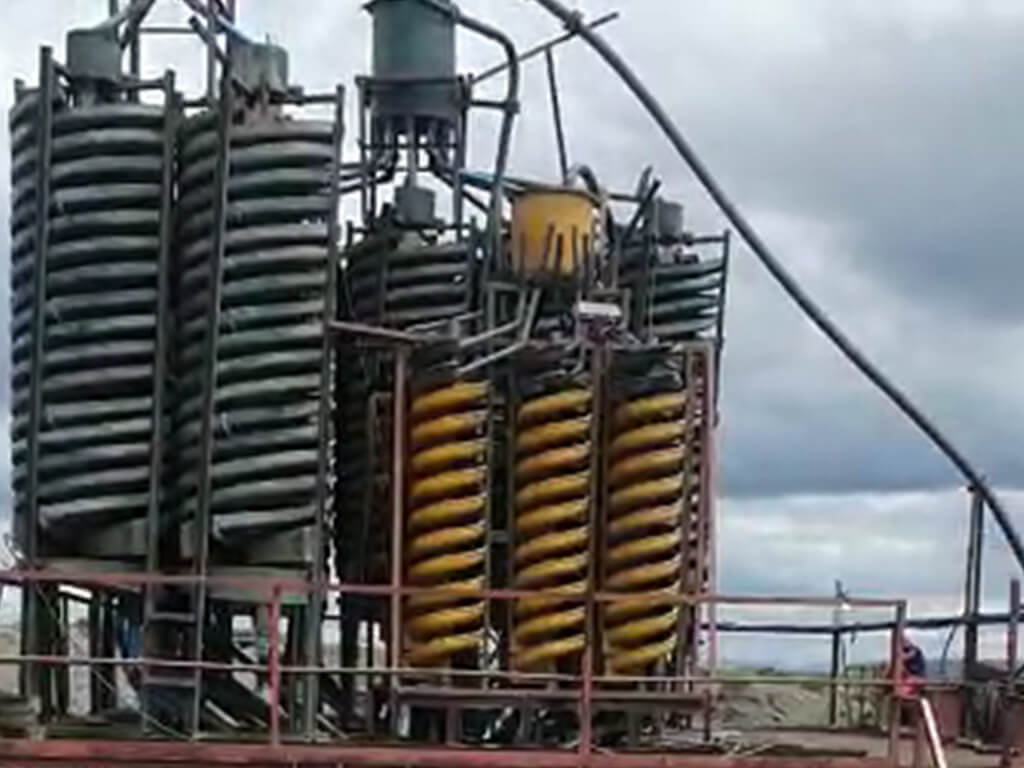
A spiral concentrator (or spiral chute) is a physical gravity separation machine that combines the multiple advantages of shaking tables and centrifugal concentrators. It utilizes a unique spiral track design to achieve the automatic sorting of minerals. Compared to traditional flotation and magnetic separation equipment, it not only features a simple structure and ease of maintenance, but also achieves highly efficient separation relying solely on natural forces, requiring no external power drive. This equipment is particularly well-suited for processing fine-grained minerals (0.02–2 mm) and is widely employed in the beneficiation of minerals such as gold, tin, tungsten, and titanium.
Working Principle
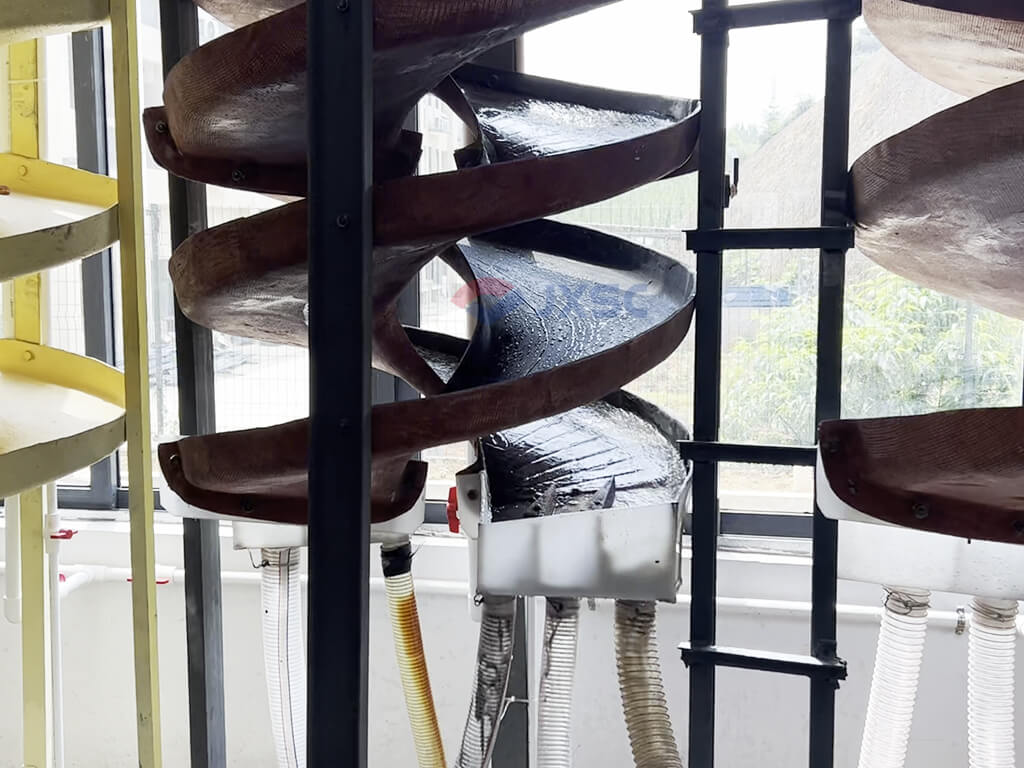
The slurry is fed from the top and flows downwards along the spiral channel, simultaneously subjected to gravity, centrifugal force, and water flow thrust. Heavier, valuable minerals are less affected by centrifugal force and settle along the inner side of the channel as concentrate. Lighter gangue and waste sand are thrown to the outer side by centrifugal force and discharged with the upper water flow as tailings.
Structure
● Within the core structure, the feed distributor ensures a steady inflow of mineral slurry, thereby preventing localized accumulation that could compromise separation efficiency.
● The spiral trough serves as the central channel where stratification and separation are achieved through the interplay of the minerals’ own weight and centrifugal force.
● The splitter allows for flexible partitioning of the discharge stream based on mineral grade, while the collection hoppers are responsible for separately gathering the concentrate, middlings, and tailings. Each component fulfills its specific function to ensure the stable operation of the entire separation process.
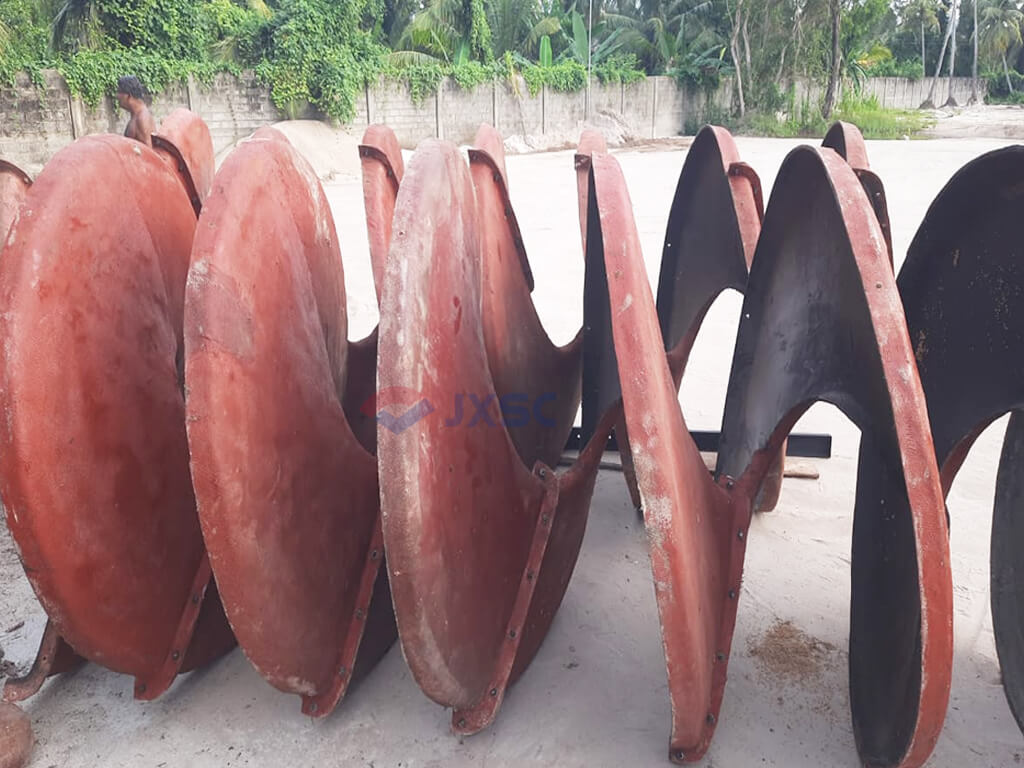
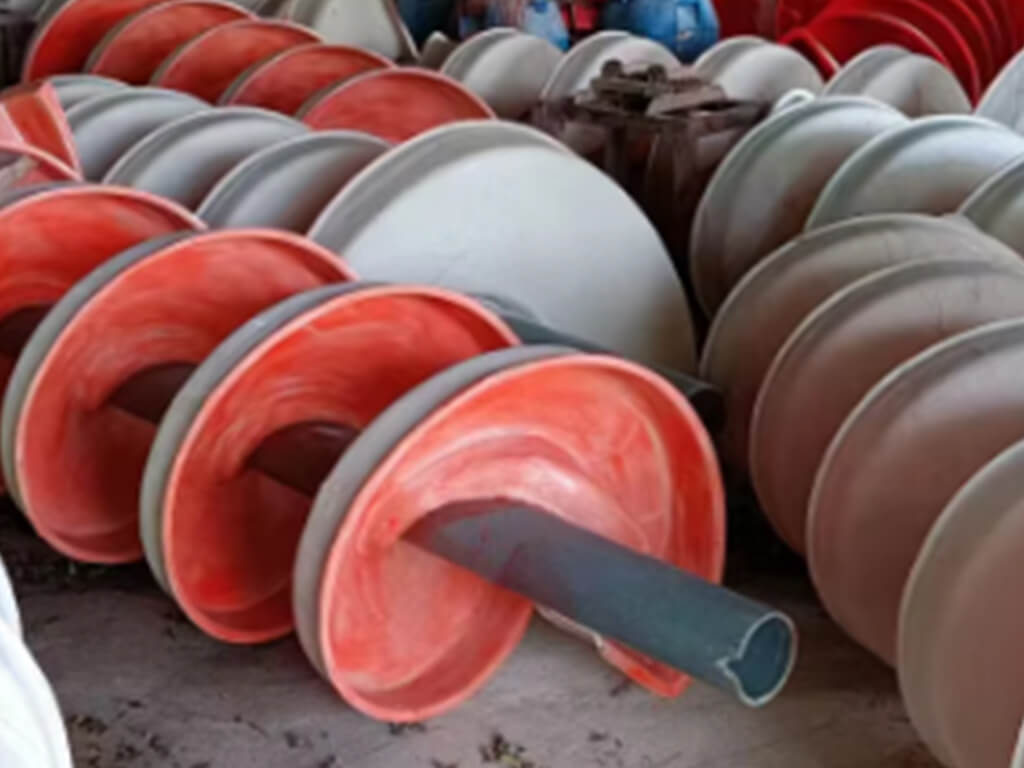
Initially, rougher chutes constructed from cast iron were employed, suitable only for the separation of coarse-grained minerals. However, with the subsequent adoption of fiberglass, wear-resistant rubber, or polyurethane lining technologies, wear resistance has improved by more than threefold. Furthermore, the profile of the trough has been optimized based on fluid dynamics principles, resulting in a significant enhancement in separation efficiency for fine-grained minerals and an overall service life extending beyond three years.
Why is the spiral concentrator the preferred choice?
For mine operators, the core value of the spiral concentrator lies in balancing the two core needs of “cost reduction” and “green mining.” It can improve beneficiation profits while avoiding the risk of production shutdowns and rectifications due to environmental non-compliance, making it the optimal choice in the current gravity separation field.
Cost Advantages
The spiral chute adopts a purely gravity-driven, non-powered design, relying entirely on the gravity and centrifugal force of the slurry to complete the separation, saving tens of thousands of yuan in electricity costs annually compared to electric equipment. The overall structure is simple with no easily damaged moving parts, requiring only periodic cleaning of the spiral structure, eliminating the maintenance costs of complex machinery. It occupies only 1/3 the area of a traditional shaking table, significantly reducing site investment. A beneficiation recovery rate of up to 85% also reduces the waste of valuable minerals, improving overall profitability.
Green and Environmentally Friendly
As a purely physical separation device, the spiral concentrator eliminates pollution from beneficiation reagents, and tailings can be directly discharged, fully complying with current green mining environmental policies. Low water consumption is only 40% of that of a shaking table, demonstrating significant water conservation. The operation is vibration-free and low-noise, requiring no additional noise reduction or wastewater treatment facilities, which can significantly reduce the environmental protection costs of the plant area.
Spiral Concentrators vs. Other Gravity Separators: A Comparison
| Comparison Dimension | Spiral Concentrator | Shaking Table | Centrifugal Concentrator |
|---|---|---|---|
| Processing capacity (can be combined with multiple parallel units to increase output) | 0.15-10t/h | 10-20t/d | 0.5-60t/h |
| Applicable mineral range | All types of minerals with specific gravity difference such as alluvial gold, iron, tin, tungsten, rare earth (full grain size of 0.02-2mm) | Only suitable for medium-coarse grain iron ore, tin ore (0.074-2 mm) | Only suitable for fine-grained alluvial gold, single rare ore |
| Payback period | 2-3 months | 8-10 months | 10-12 months |
| Applicable scenarios | Fixed concentrator, temporary sand mining site, tailings recovery | Use in fix or mobile concentrator plants | Only for fine separation plants |
Spiral concentrators have lower overall operating costs than traditional equipment and are suitable for a wider range of minerals. They are perfectly suited for both small-scale placer mining and large-scale tailings recovery in concentrators, making them the most cost-effective choice for current gravity separation applications.
Typical Applications Of Spiral Concentrator
Applicable Scenarios
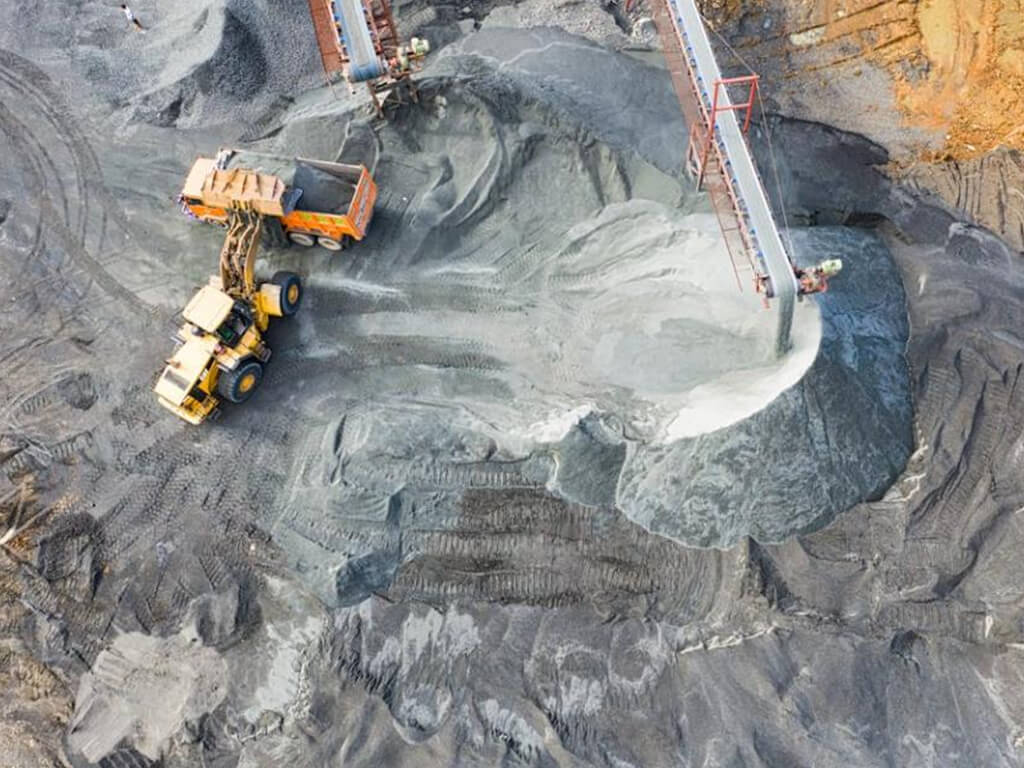
The separation of fine-grained minerals, the secondary recovery of resources from tailings, and the mining of placer deposits along coastlines, rivers, and streams constitute the core application scenarios for spiral concentrators. This spiral concentrator is particularly effective for the secondary separation of iron and gold tailings—materials that were historically discarded as waste—without the need to install additional heavy machinery. Furthermore, for temporary placer mining operations, the units can be rapidly dismantled, transported, and reassembled, eliminating the need to construct permanent infrastructure. In coastal or riverbed placer mining operations, spiral concentrators can be directly integrated with sand-dredging vessels to achieve a “mining-and-separation-in-one” workflow. Capable of operating reliably even in remote wilderness areas without power, this equipment demonstrates exceptional adaptability across a wide range of environments.
Applicable Mineral Types
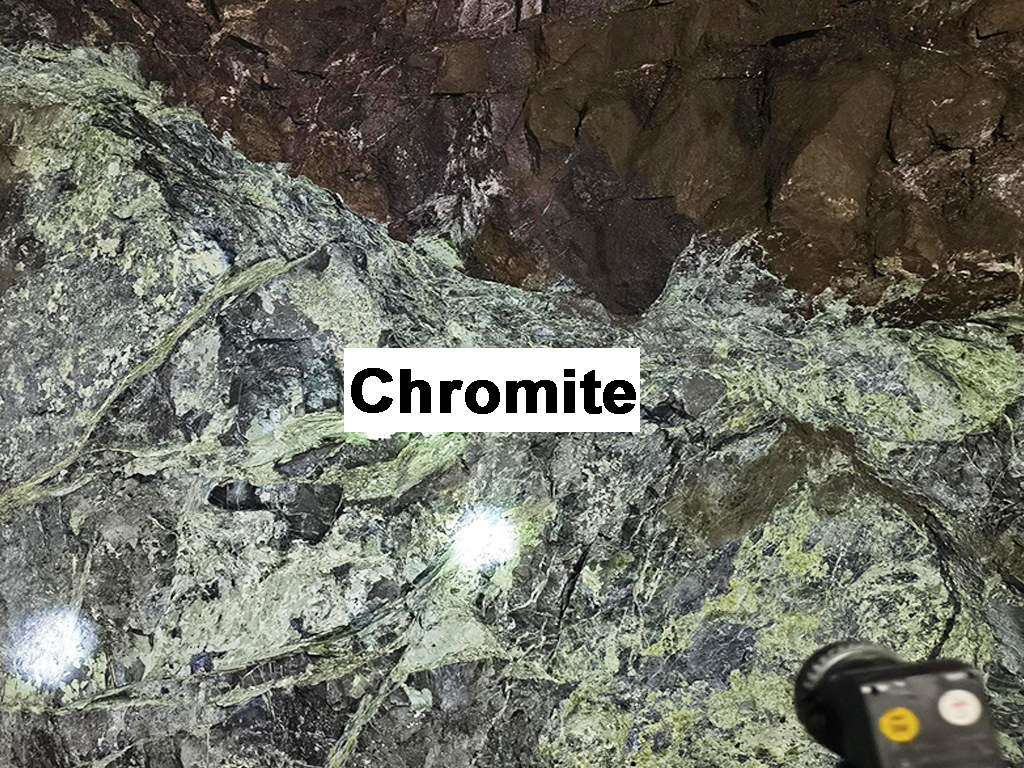
This equipment is capable of beneficiating a wide range of minerals—including gold, iron, tin, tungsten, manganese, chromite, silica sand, tantalite-niobite, and others—encompassing virtually all non-ferrous metals, rare metals, and non-metallic minerals that exhibit differences in specific gravity. Even in cases involving minerals with very similar specific gravities, precise separation can be achieved by fine-tuning parameters such as feed pulp density and the inclination angle of the spiral chute. Whether processing high-value rare metal ores—such as rutile, zircon, and columbite-tantalite—or performing impurity removal on lower-value materials like quartz sand, the spiral concentrator consistently achieves recovery rates of 80–90%, demonstrating exceptional versatility across diverse mineral processing applications.
How to Choose a Spiral Concentrator?
① Key Parameters
If processing fine-grained ores—such as placer gold or tantalum-niobium ores—prioritize models with a diameter of less than 900 mm and a diameter-to-pitch ratio of 0.45 to maximize the recovery rate of fine particles. For projects involving medium-to-coarse-grained ores or those with high production capacity requirements, consider multi-start spiral models with diameters ranging from 1200 to 1500 mm. Single spirals are suitable for simple separation tasks, whereas parallel-configured double- or triple spirals series can meet high-capacity demands of 50–100 tons per hour, thereby avoiding the spatial constraints associated with installing multiple separate units in parallel.
② Material Selection: Avoiding Pitfalls
Fiberglass lining offers the best cost-performance ratio; it is suitable for common, low-abrasion, neutral ores and has a typical service life of 3–4 years, making it ideal for temporary projects with limited budgets. Wear-resistant rubber lining features strong abrasion resistance and is suitable for highly abrasive ores, such as iron ore and chromite. Polyurethane lining offers superior resistance to both corrosion and abrasion, making it the optimal choice for highly acidic ores with a potential service life of 6–7 years. Although the initial cost is slightly higher, it proves to be a more hassle-free and economical choice in the long run. For projects intended for long-term production, the latter two materials should be prioritized.
③ Capacity Matching
For small-scale mobile placer mining operations or the recovery of scattered tailings, lightweight, compact models are sufficient. Medium-to-large-scale beneficiation plants can utilize standard models configured in parallel arrangements to boost capacity, thereby striking a balance between efficiency and cost-effectiveness. The key is to match equipment specifications precisely to actual production requirements, avoiding scenarios where the equipment is either oversized for the task (“using a sledgehammer to crack a nut”) or suffers from insufficient capacity. When making a purchase, prioritize equipment with strong scalability to ensure there is ample room for future production expansion.
Conclusion
As a low-cost, zero-pollution “green” gravity separator, the spiral concentrator has emerged as the preferred mineral processing equipment in today’s mining industry. Thanks to its advantages—including power-free operation, low energy consumption, adaptability to a wide range of ore types, and rapid return on investment—it plays a pivotal role in helping mines reduce costs, boost efficiency, and meet stringent environmental regulations.
Whether involving the rational configuration of core parameters, the scientific selection of materials, or the precise matching of models to specific production capacities, the key to choosing the right spiral chute lies in aligning it closely with actual production requirements. To achieve the optimal return on investment, equipment selection must be conducted scientifically, taking into account specific factors such as production capacity, operating conditions, and budgetary constraints. If you require assistance with equipment selection or procurement, the professional team at JXSC Mine Machinery Factory is available to provide free consultations and customized gravity separation solutions, helping you accurately identify the most suitable mineral processing equipment to enhance separation efficiency and reduce operational costs.
 English
  Spanish
  French
  Russian