
- Home
- Blog
- Mineral Solution
- Magnetic Separation: Secret Weapon For Cassiterite Upgrading
Is your cassiterite beneficiation plant plagued by the challenges of low ore grades and high impurity levels? As the primary tin-bearing mineral—and a core raw material in the beneficiation industry—cassiterite has long presented significant technical hurdles regarding its purification. The frequent presence of magnetic impurities, such as iron and titanium, not only diminishes the grade of the final concentrate but also drives up subsequent smelting costs. Nowadays, more and more mineral processing experts are turning their attention to magnetic separation technology, which can improve the grade by more than 30% with a single machine. We will explore how magnetic separation has emerged as the “secret weapon” for upgrading cassiterite, and recommend the specific equipment and optimization strategies best suited to your needs.
Challenges in Cassiterite Upgrading
Characteristics of Cassiterite Ore:
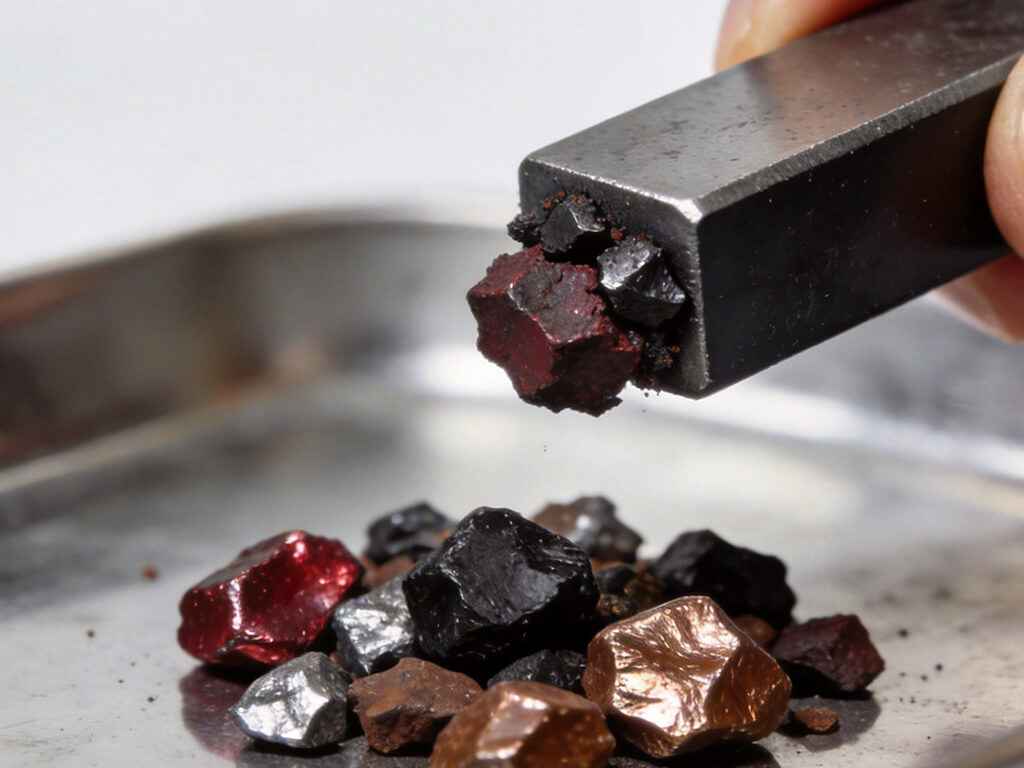
Cassiterite is a significant source of tin. Cassiterite (tin ore) is typically rich in impurities and frequently occurs in association with iron-bearing minerals—such as magnetite, hematite, and limonite—as well as scheelite and various sulfide minerals. If these impurities are not effectively removed, they directly compromise the market value of the tin concentrate and inflate subsequent smelting costs. For instance, iron-bearing minerals can form hard, brittle iron-tin alloys during smelting, reducing tin recovery rates and increasing energy consumption. Furthermore, if associated tungsten minerals are not separated in advance, they not only dilute the grade of the tin concentrate but also result in the loss of valuable, recoverable tungsten resources. Moreover, fine-grained impurity minerals are prone to “sliming” during the beneficiation process—forming sludges that encapsulate cassiterite particles—thereby further eroding the processing plant’s profitability margins.
Limitations of single gravity separation/flotation methods
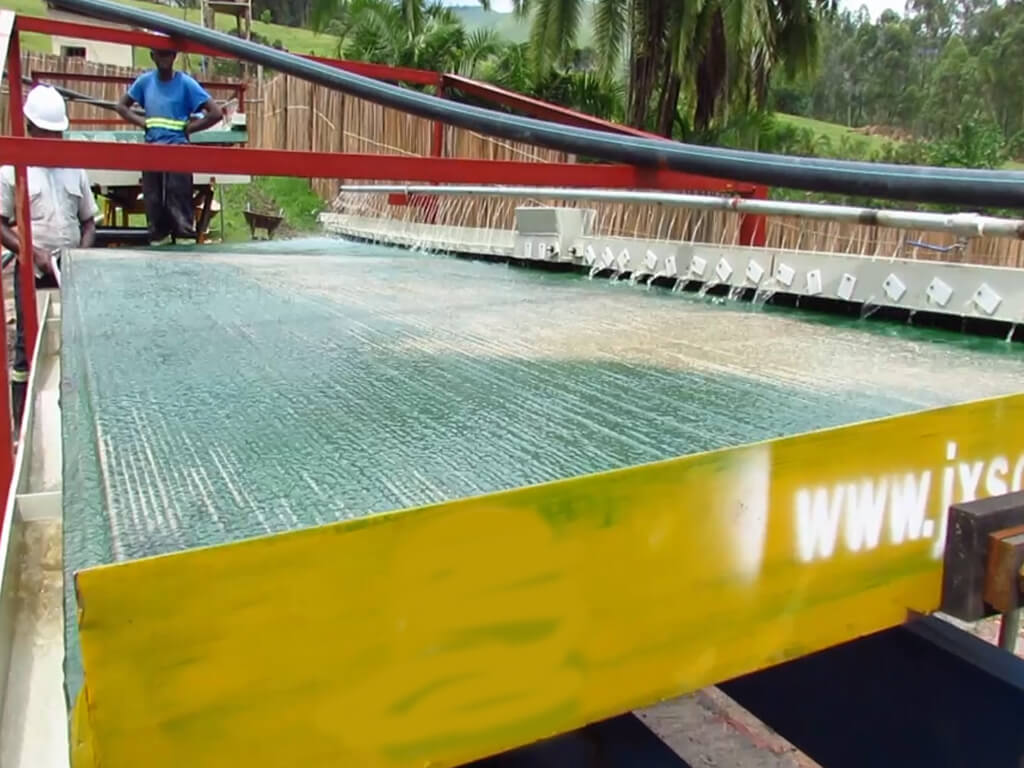
Castanol gravity separation processes typically rely on mineral density differences for separation, resulting in low throughput. Furthermore, their separation efficiency for ultrafine particles is poor, with recovery rates potentially dropping as low as approximately 70%.
While flotation processes offer slightly better recovery of fine-grained cassiterite, they necessitate the use of large quantities of chemical reagents (such as collectors, depressants, and pH regulators). Moreover, they exhibit poor adaptability to fluctuations in ore properties. This not only increases operational costs but may also pose potential environmental risks.
Basics of Magnetic Separation
Magnetic separation technology is a key process that uses the differences in magnetic properties of different minerals in ores to sort. Different minerals show different magnetization characteristics in a magnetic field. By adjusting the strength and gradient of the magnetic field, the target minerals and impurities can be accurately separated.
The core logic of cassiterite magnetic separation
Cassiterite itself is a non-magnetic mineral, but it often coexists with magnetic minerals such as magnetite and ilmenite. In cassiterite mineral processing, magnetic separation technology mainly removes the associated strong magnetic impurities such as magnetite and ilmenite. By optimizing the feed particle size and magnetic field parameters, it can not only improve the sorting efficiency but also reduce the entrainment loss of non-target minerals. In addition, modern magnetic separation equipment has intelligent control functions, which can adjust the sorting conditions in real time according to the properties of the ore to ensure process stability and maximize recovery rate.
Magnetic separation mainly utilizes the difference in magnetization coefficient of cassiterite and associated minerals to achieve efficient separation. Under a specific magnetic field strength, magnetic impurities will be preferentially adsorbed and separated, while cassiterite particles will not be affected. It can significantly reduce the impurity content of the concentrate without adding chemicals, and at the same time, reduce the loss of fine-grained cassiterite.
Suitable For Cassiterite Type
For cassiterite ore, magnetic separation can effectively remove interfering elements such as iron and titanium, thereby improving the grade of the concentrate and creating favorable conditions for subsequent smelting processes. Cassiterite magnetic separation technology is especially suitable for tin ores containing a large amount of magnetic minerals, such as iron and titanium, such as placer tin ore or primary vein tin ore. For fine-grained or low-grade ores (such as tin content <1%), it can effectively improve the grade of concentrate while reducing the pressure of subsequent gravity separation or flotation.
Optional Core Equipment For Cassiterite Magnetic Separation
1. Dry magnetic separation
Dry magnetic separation is suitable for arid areas or mining areas with scarce water resources. The equipment has a simple structure and low operating costs. In addition, it can also prevent fine-grained cassiterite from being lost with the slurry.
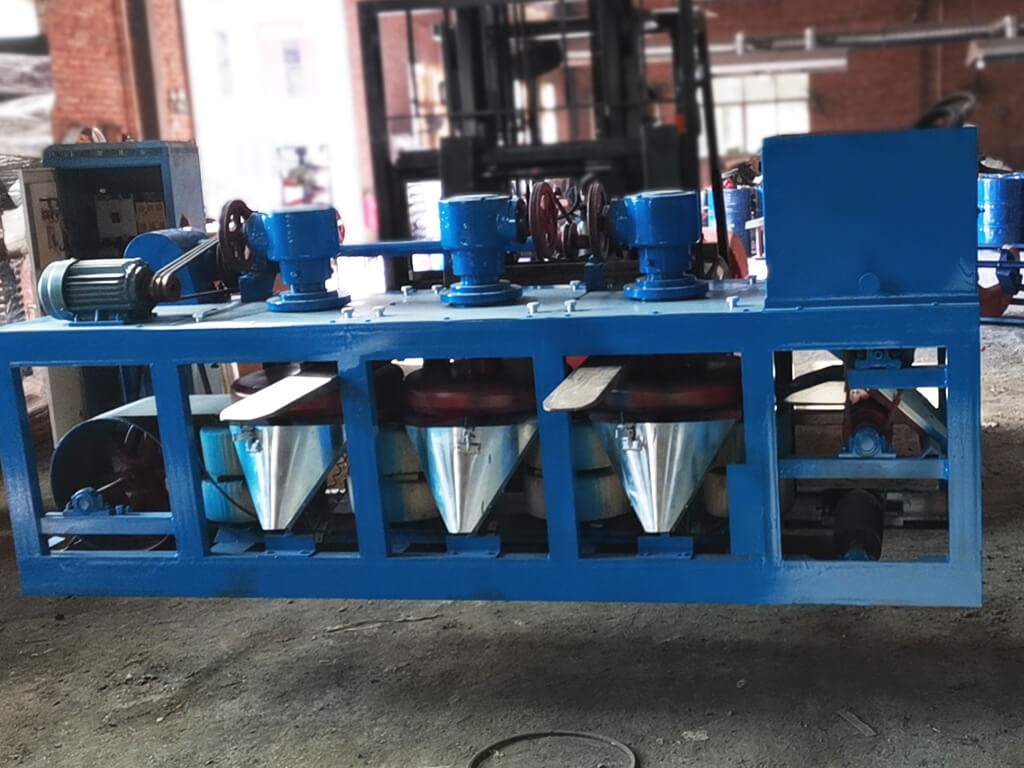
● Cassiterite dry magnetic separators mainly include a strong roller magnetic separator, a three-disk dry magnetic separator, etc. Its advantages include no dependence on water resources, low energy consumption, and simple maintenance. It is especially suitable for processing coarse-grained tin ore. The multi-layer sorting design can effectively remove more than 95% of magnetite impurities and increase the grade of cassiterite by 20% to 30%.
2. Wet magnetic separation
Wet magnetic separation of cassiterite can handle the upgrading of highly muddy or fine-grained cassiterite, with higher sorting accuracy. However, it needs to be equipped with a water circulation system, which is suitable for plants with sufficient water resources.
● Common cassiterite wet magnetic separators models include wet drum magnetic separators and high gradient magnetic separators. The recovery rate of fine-grained cassiterite can reach more than 85%, and the iron impurities in the concentrate can be reduced to less than 0.8%, with significant comprehensive benefits. In addition, it is also particularly suitable for processing flotation tailings or low-grade cassiterite sludge.
However, the three-disk dry magnetic separator has a simple structure, low energy consumption, and adjustable magnetic induction intensity. It can sort different magnetic impurities in sequence through three levels of different magnetic field strengths at one time. The collection rate of fine-grained cassiterite is much higher than that of ordinary magnetic separators, and it has become the most commonly used magnetic separation equipment for cassiterite.
Core Advantages Of Magnetic Separation In Cassiterite Upgrading
(1). Environmental compliance
Based on purely physical separation and eliminates the risk of wastewater contamination. No chemicals are needed, and the sorting efficiency can reach more than 90%. Especially for small and medium-sized cassiterite upgrading and separation plants, magnetic separation is an ideal choice that combines economy and compliance.
(2). Precise impurity removal
By adjusting the strength of the magnetic field, magnetic separation can specifically adsorb and remove strong magnetic impurities such as hematite. The iron content of the concentrate can be stably controlled within 2%, fully complying with the smelter purchase standards. The sorting process does not destroy the crystal structure of cassiterite and directly increases the smelting value of the concentrate.
(3). Suitable for full-grained tin ore
This technology is suitable for the magnetic separation of cassiterite in the full particle size range of coarse, fine and fine particles. In particular, it can effectively capture fine cassiterite with a particle size less than 0.037mm that cannot be recovered by traditional gravity separation and flotation processes. Tin resources can even be recovered from the tailings discharged by the original process. The overall mineral processing recovery rate can be steadily increased by 10%, significantly reducing resource waste.
(4). Support dry/wet dual sorting mode
Dry magnetic separation can be used in northern and plateau areas where there is drought and water shortage, and the temperature is low and prone to freezing in winter. Wet magnetic separation can be used in southern areas with high rainfall and high sludge content. The selection plant can be flexibly selected according to climatic conditions to reduce investment risks caused by geographical restrictions.
5 Steps In Cassiterite Magnetic Separation Solution
Cassiterite Upgrading Process
● Crushing and grinding
The crushing and grinding process needs to adjust the grinding fineness according to the particle size of the cassiterite, and grind the raw ore to a state where the dissociation degree of the cassiterite monomer is ≥85% to avoid the loss of fine-grained cassiterite caused by over-grinding, while reducing the wear of the separation equipment caused by excessively coarse particles, and improving the separation efficiency of the magnetic separation link from the source.
● Washing & Screening
The pre-enrichment treatment of cassiterite can remove large particles of waste rock and slime that do not contain tin in the raw ore in advance through screening and desliming processes. Reduce the processing load of subsequent mineral processing links and reduce the interference of sludge on the separation effect.
● Pre-enrichment
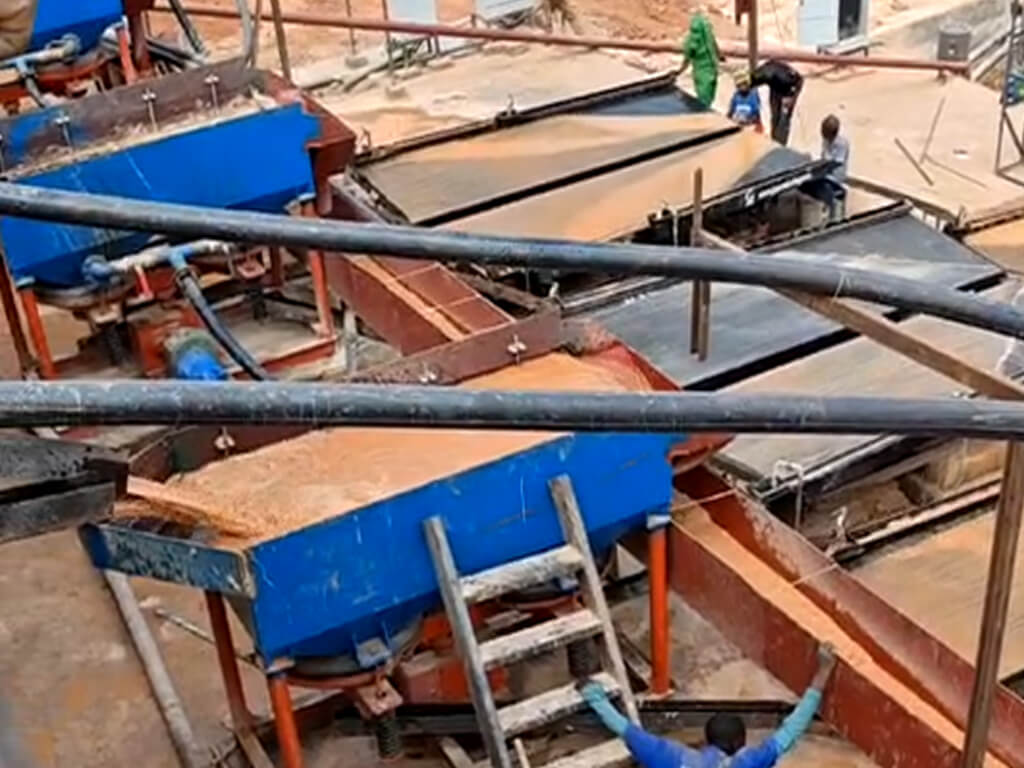
Use jig separators, shaker tables, and other gravity separation equipment to pre-select the ground products. Taking advantage of the high specific gravity of cassiterite (6.8-7.1), 30-45% of the light gangue can be quickly removed. This process can significantly reduce the processing volume of the subsequent magnetic separation process, and at the same time, reduce the loss of coarse-grained cassiterite during the magnetic separation process. The tin grade is increased to 3-5%, while the magnetic separation power consumption is saved by about 35%.
● Magnetic separation and quality improvement
Dry magnetic separation is suitable for processing coarse-grained ores (+0.2mm) in water-scarce areas. Wet magnetic separation is better at sorting 0.074mm fine particles. The magnetic separation mode needs to be determined based on the regional conditions of the project and the properties of the raw ore.
● Tailings treatment
The tailings usually still contain a small amount of cassiterite, and 5-8% of the residual tin can be recovered by using a shaking table + centrifuge. The tailings after cleaning can also be used with flotation and gravity separation processes to recover valuable metals such as tungsten and iron according to the properties of associated minerals, further increasing the total recovery rate. In addition, modern tailings dehydration technology, such as high-efficiency thickener + filter press, can achieve efficient dry stacking of tailings and reduce water waste.
Conclusion
As a purely physical beneficiation technology, magnetic separation can effectively solve the industry pain points of low recovery rate, excessive impurities, and high operating costs of traditional cassiterite(tin) beneficiation sites. The entire process mainly uses scientific crushing and grinding, precise pretreatment, efficient gravity pre-selection, and optimized dry/wet magnetic separation technology. The recovery rate of cassiterite can be significantly increased to more than 90%. Such a more efficient and economical cassiterite separation solution can adapt to the needs of tin ore beneficiation projects in different mine types and regions.
JXSC Mine Machinery Factory has been deeply involved in the field of mineral processing for many years, covering mineral processing equipment selection, process design, and production optimization solutions. If you have related needs for cassiterite grade upgrading, tin extraction from tailings, etc., please contact us for full-process mineral processing technology consultation to help your mining project achieve the goals of high efficiency, environmental protection, and maximum economic benefits!
 English
  Spanish
  French
  Russian