
- Home
- Blog
- Mineral Solution
- 4 Must-Know Challenges & Solutions In New Energy Mineral Beneficiation
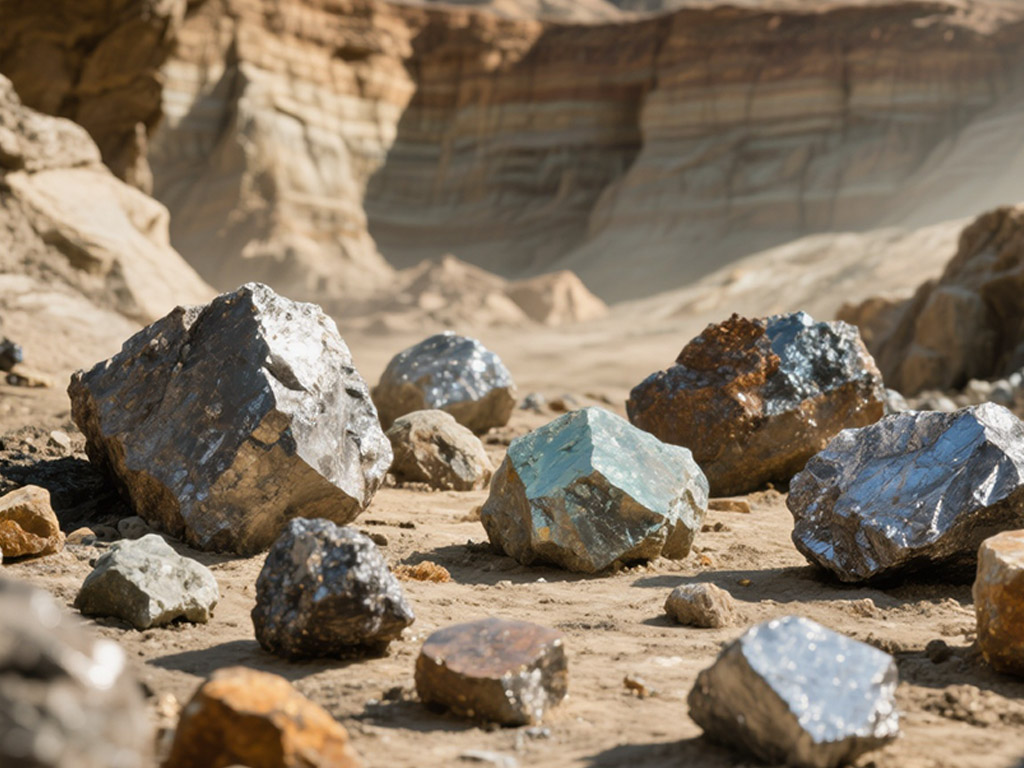
Challenge 1: Efficient enrichment of low-grade ores
Problem: Declining Ore Grade
Global reserves of high-grade, easily beneficiated ores continue to decrease. Taking lithium resources as an example, currently proven high-grade spodumene deposits account for only 15% of total reserves. High-quality spodumene deposits are becoming increasingly scarce, while low-grade, finely disseminated lepidolite and brine lithium resources account for over 80% of the total. In these ores, the target minerals are closely associated with gangue minerals, with particle sizes often below 0.074 mm. Furthermore, they contain high levels of impurities; for example, lepidolite is often closely associated with feldspar and quartz. Traditional beneficiation techniques struggle to achieve effective separation, further increasing production costs.
Solution: Development of new technologies
● Pre-sorting Technology: XRT intelligent sorting technology can identify differences in ore grade through X-ray transmission imaging, primarily achieving precise sorting based on differences in mineral density. It is particularly suitable for the pre-crushing stage of complex minerals such as lepidolite, allowing for the early separation of waste rock and significantly reducing the load on subsequent grinding and flotation processes.
Development of Novel Reagents: Traditional flotation reagents have poor selectivity for low-grade minerals and are prone to causing environmental pollution. However, the newly developed environmentally friendly collector for spodumene ore enhances adsorption to the spodumene surface by introducing polar functional groups, while simultaneously inhibiting the flotation of gangue minerals (such as quartz and feldspar).
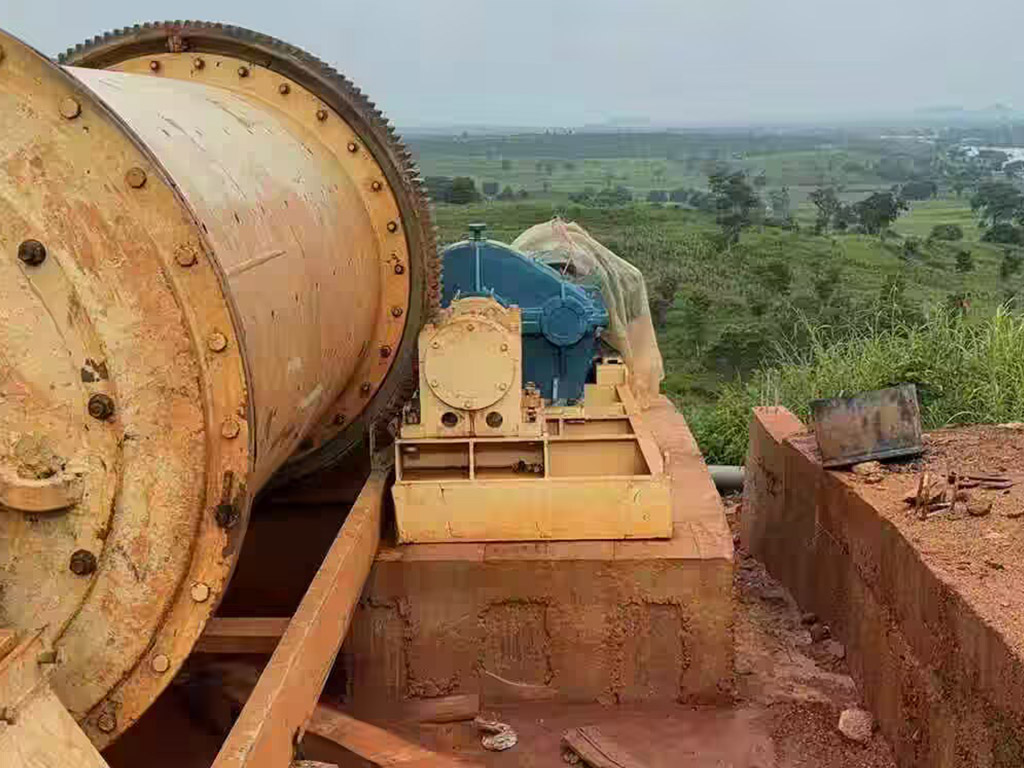
● High-Efficiency Grinding and Classification: Due to the fine grain size of low-grade ores, grinding consumes a significant amount of energy, and complete liberation is challenging, resulting in severe particle encapsulation during flotation. A combined grinding process using high-pressure roller mills and ultra-fine stirred mills can more effectively liberate the target minerals. This process also reduces energy consumption by 30% compared to traditional ball mills, while increasing processing capacity.
Challenge 2: The Difficult Separation of Complex Polymetallic Ores
Problem: Similar Mineral Properties
New energy minerals often exist as polymetallic co-existing ores. For example, in lithium-beryllium-tantalum associated ores, the properties of the target minerals and gangue minerals are similar, resulting in poor selectivity of traditional flotation reagents and difficulty in precise separation. Typically, conventional flotation processes rely on a single collector, which lacks sufficient selectivity for complex ores. This leads to substandard concentrate grades and fails to meet the requirements of downstream smelting.
Solution: Combined Beneficiation Technology
● Customized processes to improve overall recovery rate:
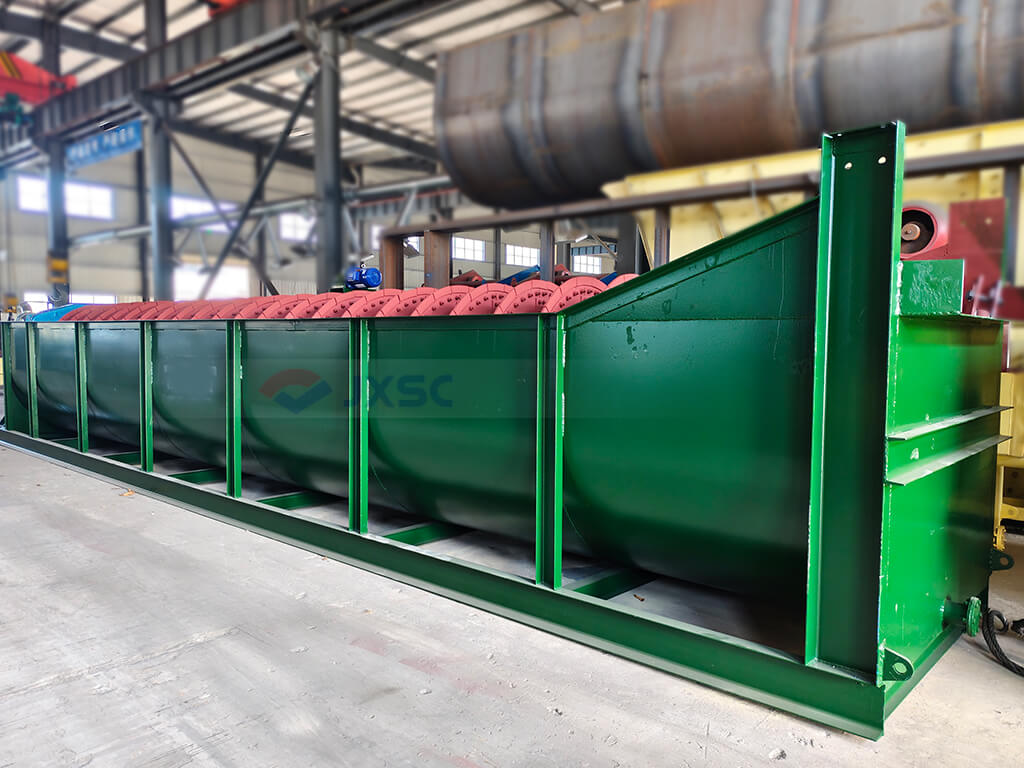
The phenomenon of polymetallic co-existence is common in new energy minerals, and the physicochemical properties of target minerals and associated minerals are highly similar, which significantly increases the difficulty of separation. Therefore, combined separation processes for new energy mineral beneficiation have become a trend. For example, lithium spodumene-feldspar-quartz associated ore can be pre-concentrated using spiral chutes to reduce the amount of ore entering flotation and lower reagent consumption. Subsequently, a “magnetic separation–flotation” combined process is used to separate magnetic and non-magnetic minerals, improving the grade of lithium spodumene concentrate. In addition, rare earth minerals can utilize a “gravity separation-magnetic separation-flotation” combination process to achieve graded recovery of different minerals.

Challenge 3: Energy Consumption and Cost Control
Problem: Energy Consumption in Beneficiation Stage
Mineral processing is the biggest energy consumption bottleneck in the new energy mineral production chain, with grinding and flotation accounting for over 70% of the total energy consumption. However, in new energy mineral beneficiation, the ore treatment process is complex, requiring multiple steps from crushing to final concentrate production, with each step involving energy consumption and material loss. Taking spodumene processing as an example, traditional ball milling consumes 30% of the total energy per ton of raw ore, while ultra-fine grinding consumes even more. Furthermore, the compressed air supply and reagent mixing in the flotation process also consume significant energy, gradually increasing processing costs. High dependence on fossil fuels and high carbon emissions may lead to additional taxes on products, contradicting the energy-saving and emission-reduction goals of the new energy industry. Electricity costs are also a key factor affecting project profitability, severely weakening the company’s market competitiveness.
Solution: Intelligentization and Energy Saving
● Intelligent Equipment: First, optimize equipment selection and process design, replacing traditional high-energy-consuming equipment with efficient and energy-saving equipment, simplifying the process flow, and reducing unnecessary processing steps in the new energy mineral grinding process. For example, promoting the “more crushing, less grinding” process. Large ball mills can be used, incorporating intelligent control systems to automatically adjust mill speed and feed rate by real-time monitoring of ore properties and grinding concentration, improving grinding efficiency by 15%. In the flotation process, large flotation cells combined with bubble size control systems can reduce flotation energy consumption by 40%. Simultaneously, develop low-consumption and environmentally friendly mineral processing reagents to reduce reagent usage and environmental impact, while also reducing subsequent treatment costs.
● Energy-Saving Technologies: Promote the use of clean energy, utilizing renewable energy sources such as solar and wind power to supply electricity for production, reducing reliance on fossil fuels. Strengthen resource recycling, recovering and treating tailings and wastewater to achieve secondary utilization of water resources and valuable elements, reducing energy consumption and costs from the source.
Challenge 4: Environmental Pressure from Wastewater and Tailings
Problem: Wastewater Pollution and Tailings Storage Risks
Wastewater from mining operations contains high concentrations of heavy metal ions and residual flotation reagents, and its environmental pollution is becoming increasingly prominent. If this wastewater is discharged without treatment, toxic heavy metals such as lead, cadmium, and arsenic will accumulate through the food chain, threatening the ecological environment and human health. On the other hand, traditional wet tailings storage methods not only occupy a large amount of land resources but also pose serious safety hazards. A dam failure at a large tailings pond would have catastrophic consequences. Furthermore, long-term storage of tailings leads to heavy metal leaching under rainwater erosion, causing continuous pollution to surrounding soil and groundwater.
Solution: Water and tailings recycling
● Wastewater Recycling: In the field of wastewater treatment after new energy mineral beneficiation, a combined process of “coagulation sedimentation + filtration + activated carbon adsorption + membrane separation” is used for deep treatment of mineral processing wastewater. Finally, reverse osmosis membrane separation technology is used to remove soluble salts and heavy metals, achieving over 90% wastewater recycling.
● Tailings Treatment: After new energy mineral beneficiation, dry stacking technology can be adopted as needed. The tailings are dewatered to a low moisture content using thickeners and filter presses before being stored, reducing the land area occupied by the tailings pond and the risk of dam failure. In addition, valuable elements such as lithium, cobalt, nickel, and rare earth elements can be recovered from the tailings through processes such as flotation and magnetic separation, such as recovering iron and sulfur from copper tailings, improving resource utilization efficiency. This not only helps companies meet emission standards but also creates significant economic and environmental benefits.
New Energy Mineral Beneficiation: Technology Drives a Green Future
The new energy mineral mining industry faces four core challenges: low-grade ores, complex co-existence of minerals, high energy consumption and cost pressures, and environmental pressures from wastewater and tailings. Solutions focus on technological innovation and green transformation. For example, optimizing equipment efficiency through intelligent control systems and promoting the use of clean energy; employing high-efficiency processes to recycle wastewater, recover valuable elements, and promoting dry stacking technology to help companies reduce costs, increase efficiency, and ensure compliant development.
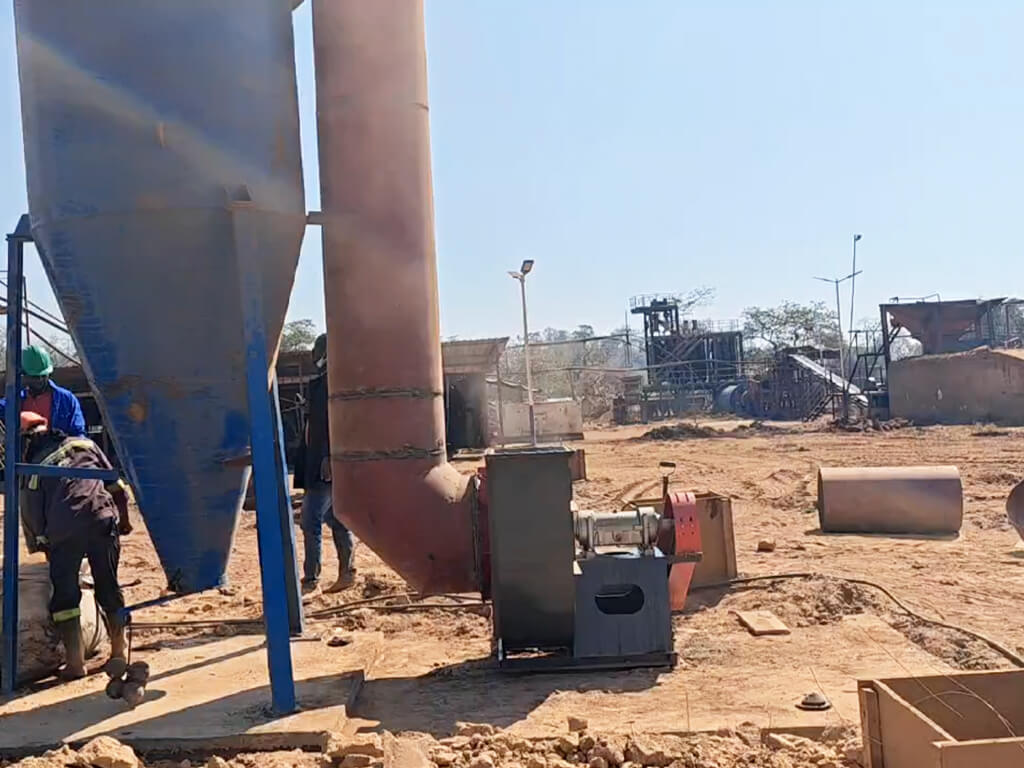
JXSC Successful Cases: 120TPD Lithium Processing Plant In Nigeria
Conclusion
New energy minerals are primarily used in electric vehicles, energy storage, wind power, and solar power. Elements that constitute the key industrial chain and have beneficiation value include lithium, copper, nickel, cobalt, rare earth elements, as well as key minerals such as graphite, phosphorus, platinum, praseodymium, and neodymium used in batteries and fuel cells.
New energy mineral beneficiation is a crucial cornerstone of the global green transformation. We call upon our industry partners to work together to build a resource-efficient and environmentally friendly production environment. JXSC Mining Machinery Factory is committed to providing the new energy mining industry with customized services covering the entire process, from technical consulting and solution design to implementation. Please feel free to contact us to create efficient, economical, and sustainable mineral processing solutions and equipment, and jointly promote the high-quality development of the industry.

 English
  Spanish
  French
  Russian