
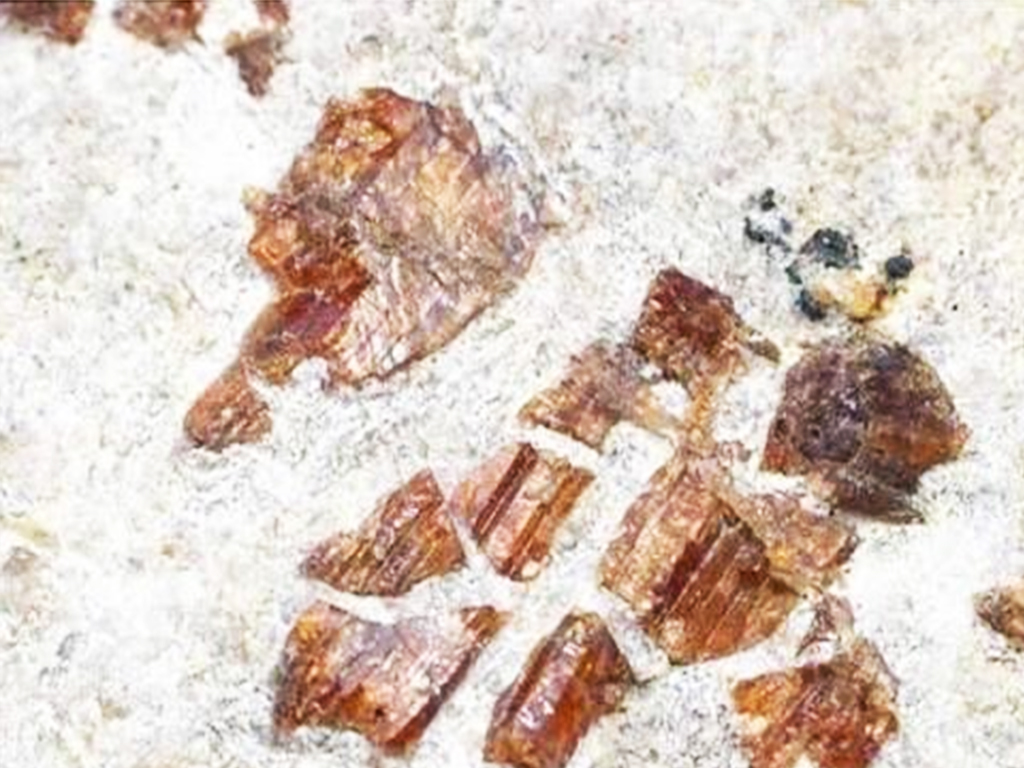
Why is monazite considered a unique member among rare-earth phosphate minerals? Composed primarily of cerium, this ore typically appears in shades ranging from reddish-brown to orange-yellow, with its crystals often forming in isolation. It is the only ore that simultaneously supplies three strategic materials: rare earth, thorium, and phosphate. This combination is rare in nature, and therefore it has become a common raw material in the rare earth supply chain. However, due to the complexity of extraction techniques and the presence of radioactivity, the processing of monazite consistently raises critical concerns regarding both resource security and environmental balance.
What Is Monazite?
(1) Definition and Composition
Monazite is a phosphate mineral that incorporates significant amounts of rare-earth elements (REEs) into its crystal lattice, making it an important source of rare-earth ores. Its chemical formula is generally expressed as (Ce, La, Th)PO₄, with cerium, lanthanum, and thorium being the primary constituents. It typically appears as brown to reddish-brown grains and is most commonly found in nature as placer deposits. Because the specific composition of rare-earth elements varies by location, there are also less common variants dominated by lanthanum, neodymium, samarium, or gadolinium.
(2) Natural Distribution
Monazite rarely forms independent ore veins; instead, it typically occurs as heavy mineral placer deposits, commonly found in coastal sands and ancient shoreline sedimentary zones. Through the prolonged weathering of mineral-bearing pegmatites, the relatively dense monazite grains remain in place, becoming concentrated alongside minerals such as zircon and ilmenite. Significant reserves are found along the coast of southern India, while Western Australia and South Africa serve as stable sources of supply. Other notable deposits exist in Brazil, Madagascar, and Vietnam; in China, monazite is primarily recovered as a by-product of other mining operations.
(3) Monazite vs. Bastnäsite vs. Xenotime
| Comparison Dimension | Monazite | Bastnäsite | Xenotime |
|---|---|---|---|
| Mineral Type | Rare earth phosphate | Rare earth fluorocarbonate | Rare earth phosphate |
| REE Focus | Mainly light REEs | Mainly light REEs | Mainly heavy REEs |
| Thorium Content | Relatively high; requires dedicated control | Extremely low | Moderate; varies by deposit |
| Обогащение | Combined gravity, magnetic and electrostatic separation | Mainly flotation | Mainly gravity and magnetic separation |
| Processing Challenge | Radioactive residue management | Carbonate decomposition | Difficult separation of heavy REEs |
Key Properties of Monazite
Key Physical Properties
| Недвижимость | Значение |
|---|---|
| Химическая формула | (Ce,La,Th)PO₄ |
| Crystal System | Monoclinic |
| Mohs Hardness | 5.0–5.5 |
| Удельная плотность | 4.6–5.7 |
| Streak | White |
| Блеск | Resinous to adamantine |
| Цвет | Orange-yellow, reddish brown, brown, pale yellow, gray |
| Refractive Index | 1.77–1.86 |
| Melting Point | 1,900–2,100 ℃ |
| Magnetism | Paramagnetic (moderately strong) |
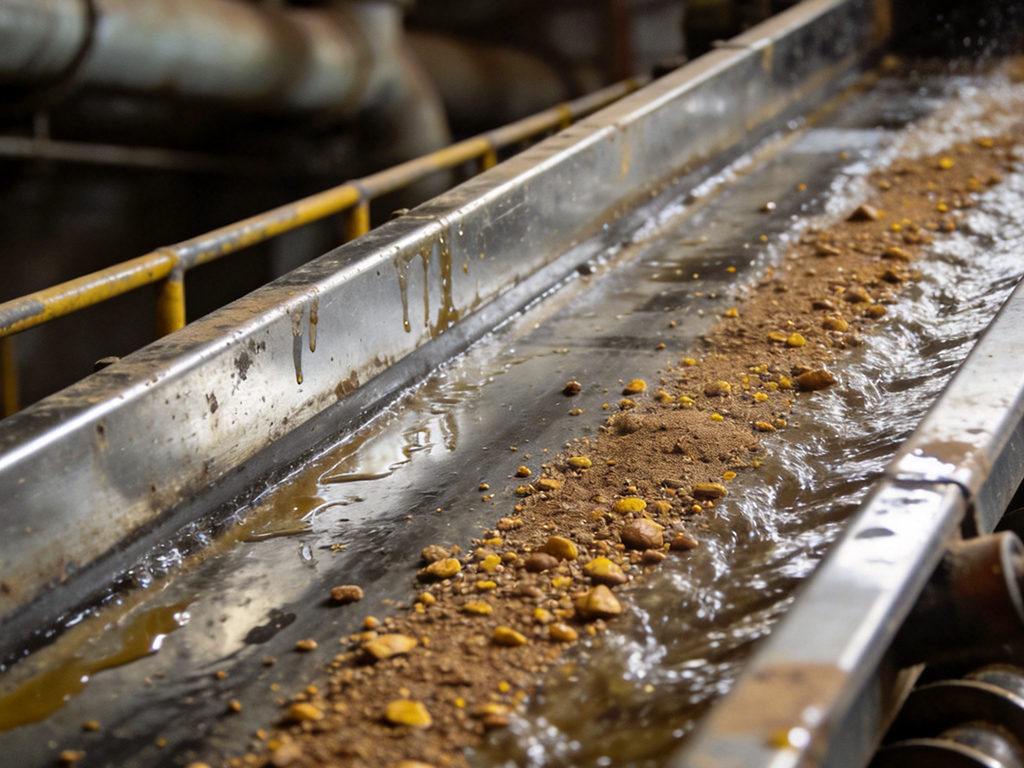
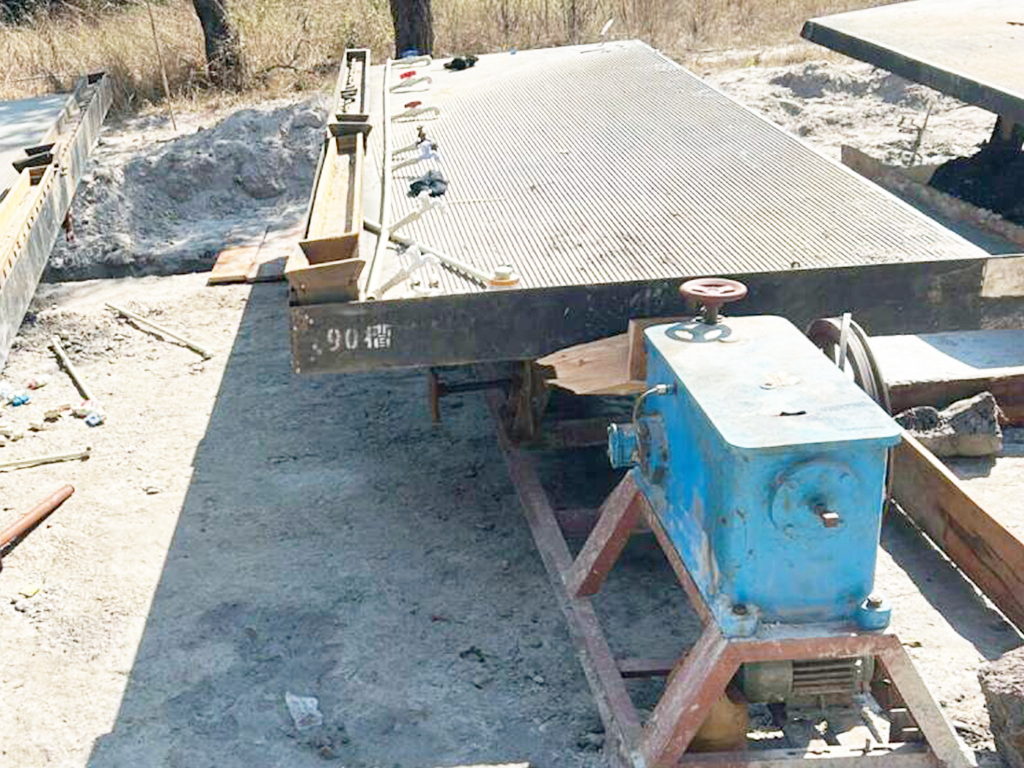
● High specific gravity: Due to its high specific gravity, gravity separation serves as the most economical initial enrichment method. In coastal sand mineral processing plants, spiral chutes and shaking tables are commonly employed.
● Paramagnetism: Magnetic separation can be used to effectively separate the mineral from non-magnetic associated minerals, such as zircon and rutile.
● Weak pleochroism: Although subtle when observed under a microscope, this weak pleochroism allows for rapid differentiation from other heavy minerals.
● Radioactivity: Monazite typically contains trace amounts of thorium, rendering it naturally radioactive. This necessitates monitoring during transport and storage, and it remains a critical factor to consider in its industrial applications. Processing residues must be contained in accordance with regulations governing naturally occurring radioactive materials.
Chemical Composition and Rare-Earth Element Distribution:
Monazite’s primary characteristic is its high content of cerium-group rare-earth elements (such as Ce, La, and Pr), which account for 50–70% of its composition. These elements impart excellent resistance to acid and alkali corrosion. Because of strong bonding within its crystal lattice, the structure can be broken down only through high-temperature roasting or decomposition with concentrated alkalis. Monazite is highly resistant to weathering, allowing the mineral to remain intact during transport and sedimentation, which can lead to the formation of significant placer deposits. However, thorium exists in isomorphous form, which brings both utilization value and radiation risks.
A Comprehensive Guide to Monazite Processing Methods
1. Monazite Mining
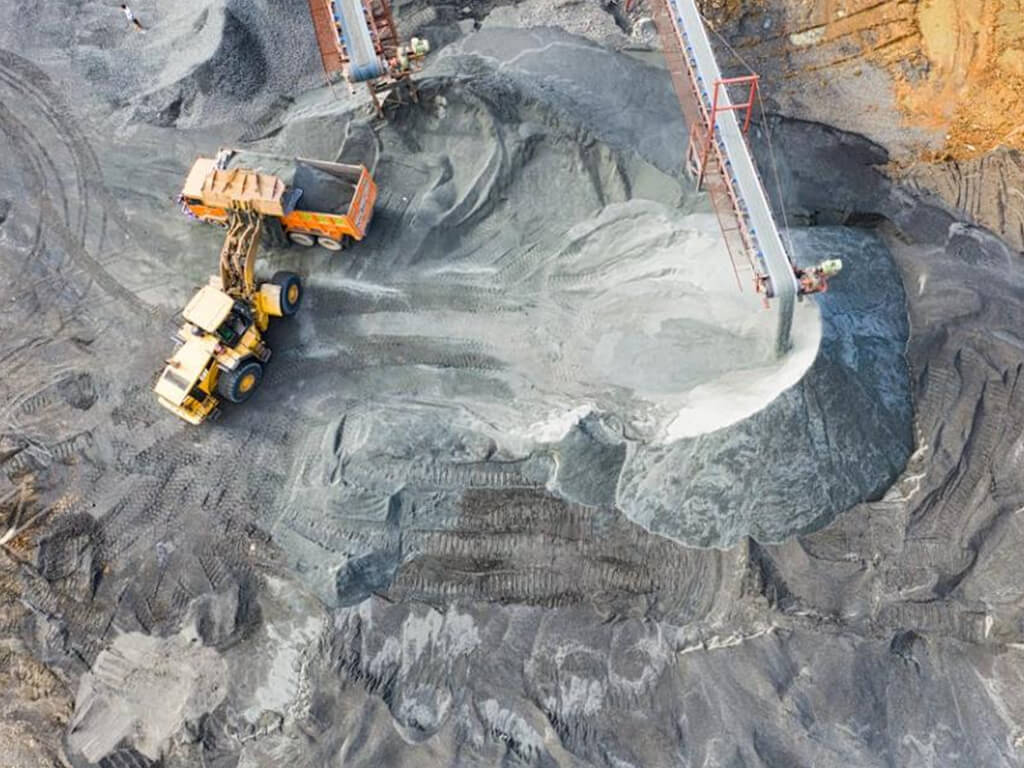
Monazite is mostly found in coastal placer deposits(beach sand), which are shallowly buried and have high aquifers. It is often mined using dredgers in conjunction with hydraulic flushing. The dredgers advance along the ore zone, and backfilling is carried out simultaneously. The tailings are sorted and then returned to their original locations, making surface disturbance relatively controllable.
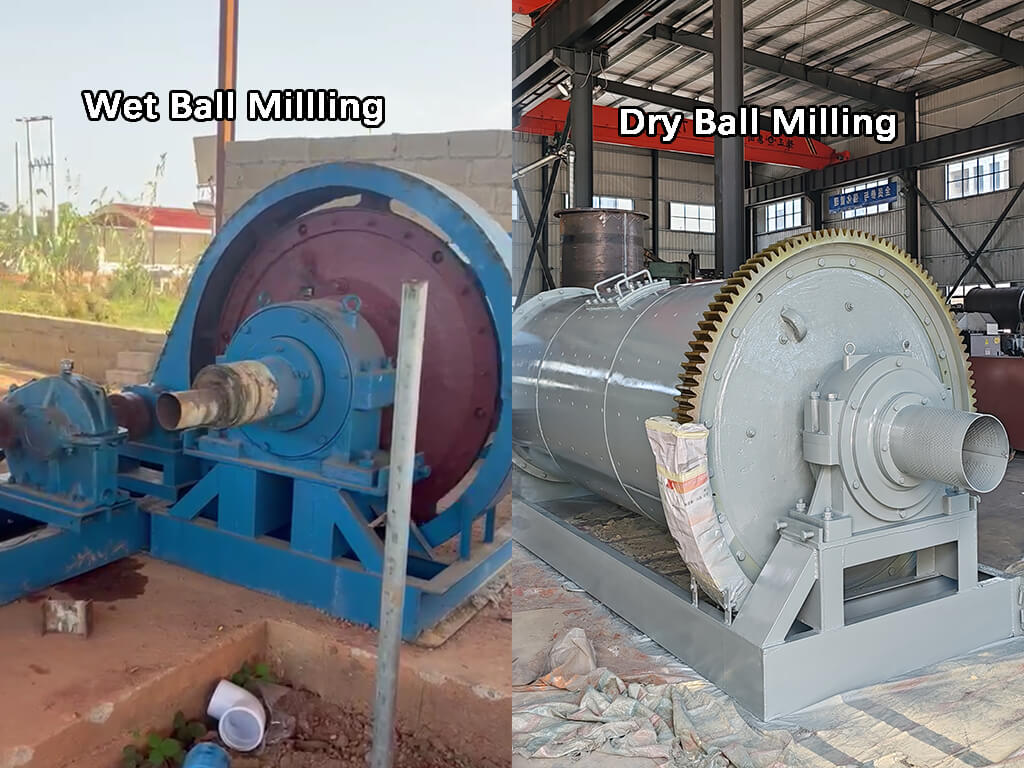
In contrast, hard-rock deposits require drilling and blasting, followed by bench mining and subsequent crushing and grinding. This method is commonly used for pegmatite ore bodies, such as those found in India and South Africa.
2. Monazite Processing and Beneficiation
The monazite content in the raw ore is usually extremely low, and it is often only a few parts per thousand in heavy mineral sands, making direct smelting uneconomical. The objective of monazite beneficiation is to leverage differences in the physical properties of the minerals to separate monazite from large quantities of quartz, feldspar, and clay, while removing iron- and titanium-bearing impurities to produce a concentrate of sufficiently high grade.
✔ Ore Washing: Upon entering the processing plant, the raw ore undergoes washing and screening to remove clay, thereby preparing it for subsequent separation stages.
✔ Gravity Separation: Спиральные желоба are used for coarse-grained material, while трясущиеся столы handle the fine-grained fraction. This combination of gravity separation equipment effectively separates monazite from lighter minerals, yielding a rough concentrate enriched in heavy minerals.
✔ Magnetic Separation: Leveraging the moderate-to-strong paramagnetism of monazite, this process uses high-intensity magnetic equipment to separate it from non-magnetic minerals such as zircon and rutile; multi-stage magnetic separation can be employed to enhance purity.
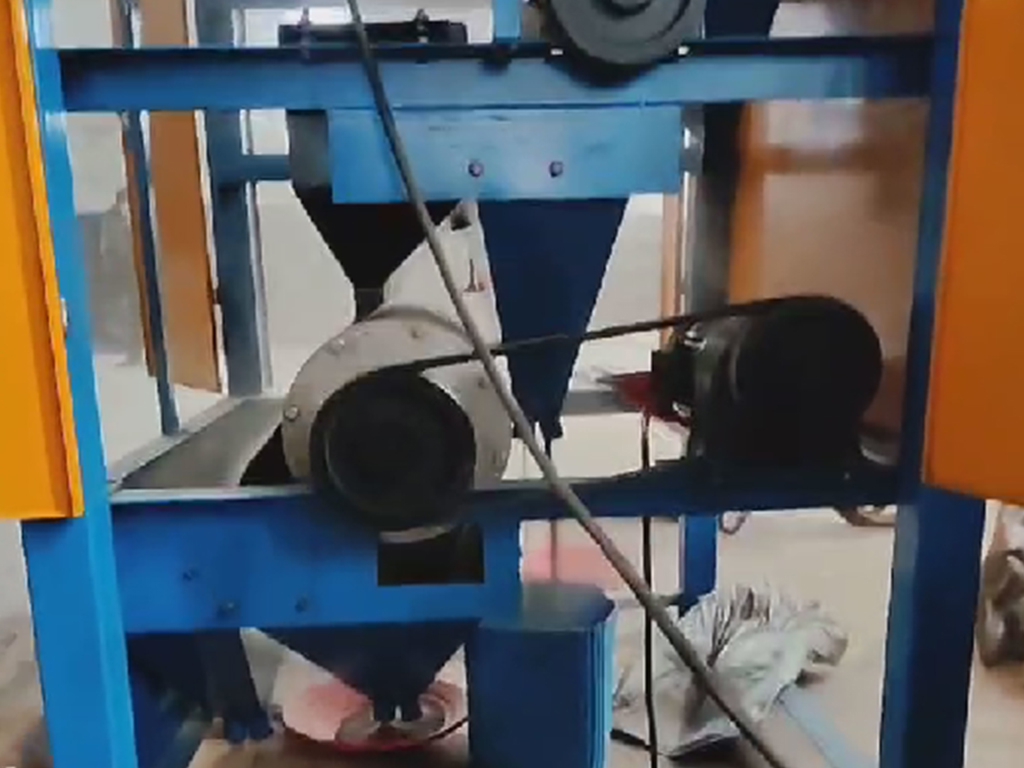
✔ Electrostatic Separation: Performed on dried material, this electrostatic separator process exploits differences in electrical conductivity to further remove conductive or non-conductive impurities.
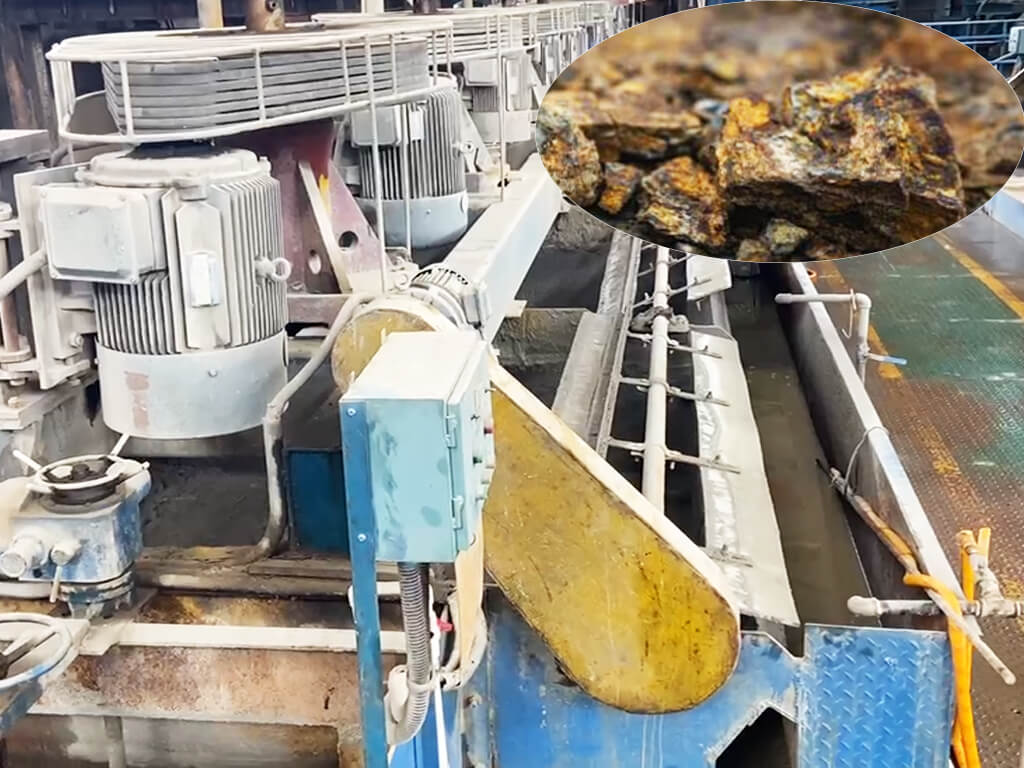
✔ Флотация: Serving as a final processing step, this method is primarily applied to fine-grained or difficult-to-process materials. Collectors are used to selectively accentuate the differences in surface properties between monazite and zircon, ultimately producing a high-grade concentrate.
3. Decomposition
● The acid process involves roasting with concentrated sulfuric acid at high temperatures, converting rare earths into soluble sulfates. While high-temperature conditions inhibit the dissolution of thorium, this method entails high acid consumption and generates a large volume of liquid waste.
● The alkali process utilizes hot, concentrated alkali for decomposition, precipitating rare earths as hydroxides and allowing for the recovery of phosphate radicals as trisodium phosphate. This approach is also more favorable for the recovery of thorium. Although it yields valuable by-products, it involves high alkali consumption and places significant stress on equipment due to corrosion.
4. Leaching and Purification
The roasted product is subjected to water leaching, bringing rare earth sulfates or chlorides into solution, while the remaining residue is processed separately. During the purification stage, the pH is adjusted to precipitate impurities such as iron and aluminum; thorium and uranium can be removed in subsequent, separate steps. A two-stage acid leaching process, which facilitates both rare earth recovery and the separation of radionuclides, is a commonly employed practice.
5. Solvent Extraction and Refining
The purified solution proceeds to a solvent extraction stage, where extractants such as P204 or P507 are typically used in a multi-stage process to separate individual rare earth elements. The resulting chlorides or carbonates are then precipitated and calcined to produce oxides, which serve as raw materials for the magnetic materials and catalyst industries. Uranium and thorium by-products are either further refined or solidified and sequestered, depending on market demand.
Заключение
The unique feature of monazite is that it combines three strategic resources: rare earth elements, thorium, and phosphates. The processing of monazite involves several critical stages, including mining, beneficiation, decomposition, leaching, and purification, as well as solvent extraction and refining. This entire process is technically demanding, requiring specialized equipment and precise control. Should you require a customized processing plan or technical support for monazite, please feel free to contact us; JXSC is ready to provide professional оборудование для обогащения полезных ископаемых and efficient solutions tailored to your needs.
 English
 Spanish
 French
 Russian