
Did you know that mobile phone batteries, power grid transmission lines, and batteries in new energy vehicle motors all rely on a key material? That’s right, it’s called “copper concentrate”! However, copper concentrate is not naturally occurring pure copper; it’s primarily high-grade copper raw material refined through beneficiation. It’s a core intermediate product connecting mining and copper smelting, and a crucial strategic material supporting the global industrial system. Whether it’s the circuit boards in our everyday mobile phones, power grid transmission lines, or the core components of new energy vehicle motors and charging piles, the production of all copper products depends on the supply of high-quality copper concentrate. Therefore, it can be said that the production process and quality standards of copper concentrate directly affect the cost and supply stability of the entire copper industry chain.
Definition of Copper Concentrate
What is Copper Concentrate?
Copper concentrate is not a naturally occurring mineral, but rather an enriched product obtained from copper ore after undergoing multiple beneficiation processes. It is an intermediate product refined through a series of beneficiation processes, including crushing, grinding, and flotation after copper mining. The quality assessment of copper concentrate strictly follows the national standard GB/T 3884, requiring a copper content greater than 13%. It is the direct raw material for the subsequent smelting of crude copper.
Difference Between Ordinary Copper Ore Vs. Copper Concentrate
Ordinary Copper Ore: Freshly mined copper ore looks very similar to ordinary rock, with most of the copper mixed with other minerals. It has a complex composition, low copper content, and is often closely associated with gangue minerals (such as quartz and feldspar). Direct smelting of ordinary copper ore would be extremely energy-intensive and economically unviable.
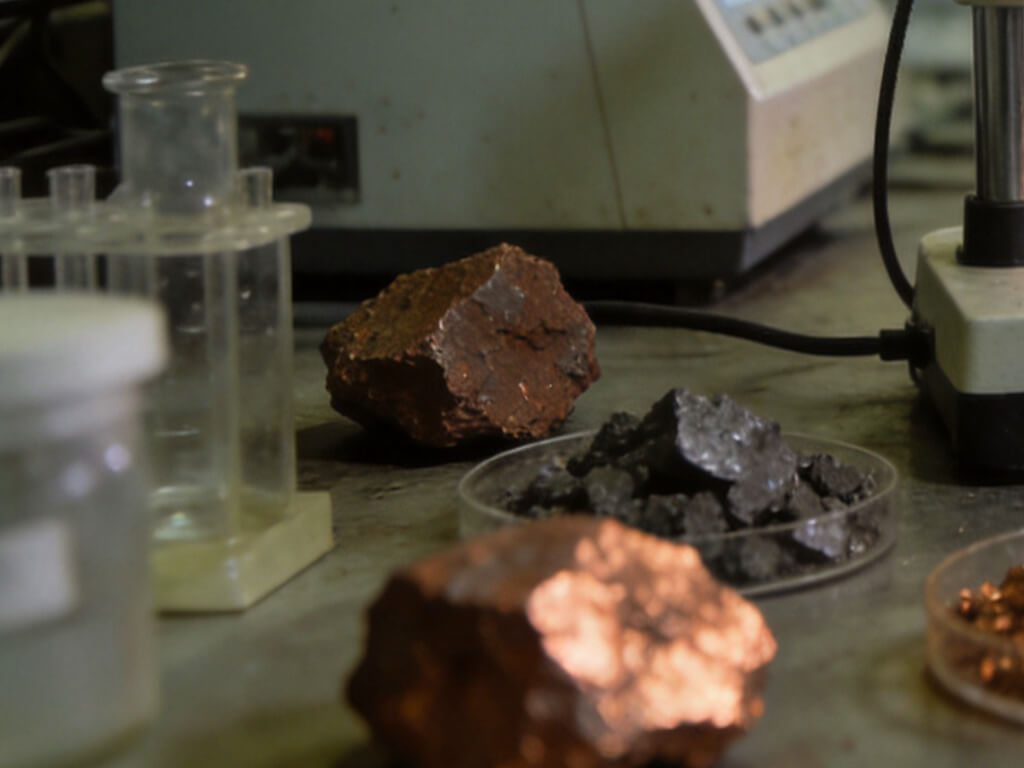
Copper Concentrate: This is equivalent to “concentrating” the useful components of copper ore, gathering the copper elements that were originally dispersed in the rock. Most of the gangue impurities are removed before they enter the subsequent smelting stages.
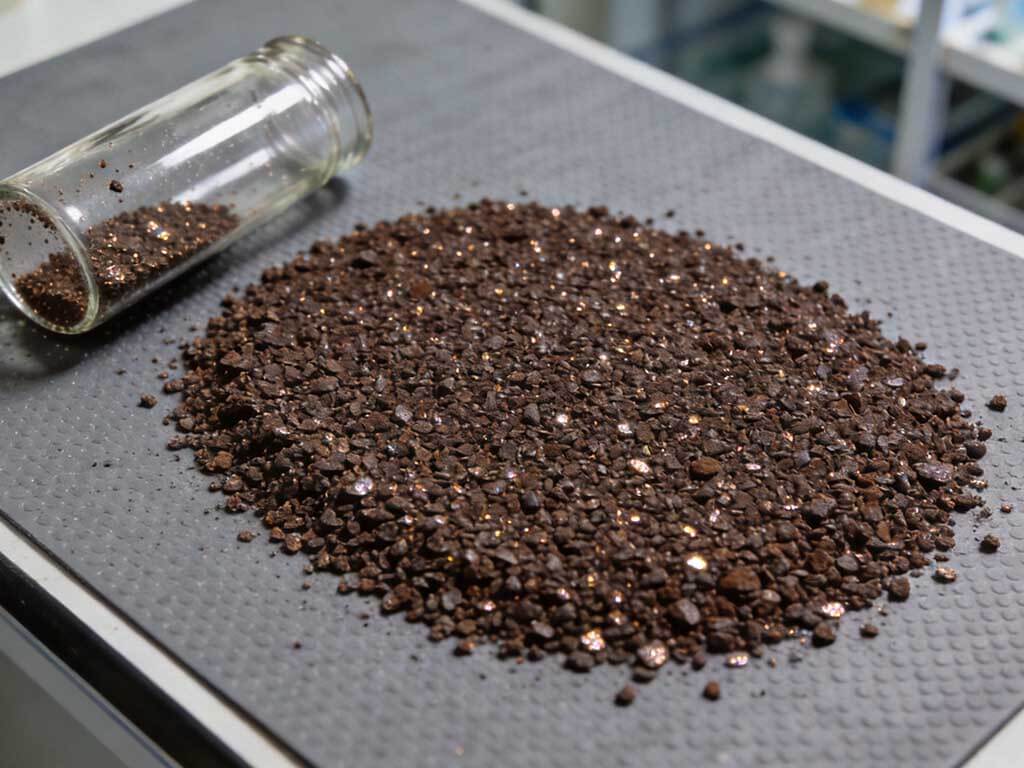
In contrast, ordinary raw copper ore contains only 1% to 2% copper, while copper concentrate typically contains between 20% and 40%. Simply put, copper ore is the raw material for producing copper concentrate, while copper concentrate is the product of copper ore refining. Although both contain copper, their utility and subsequent processing paths differ significantly.
Basic Understanding of Copper Concentrate
Associated Valuable Elements in Copper Concentrate:
Besides copper (Cu), the core component, copper concentrate may contain associated metals such as gold, silver, and molybdenum, as well as impurities like sulfur, iron, and silicon. The proportions of these components directly affect the market price and uses of copper concentrate. The value of some byproducts from highly associated minerals can even exceed that of the main metal, copper itself. Therefore, industrial production imposes extremely strict quality standards on copper concentrate. Generally, copper concentrate traded in the market must meet specific minimum copper content limits and restrict the proportion of harmful impurities (such as arsenic and lead) to ensure the stability of the smelting process and the purity of the final product.
Grading of Copper Concentrate:
Based on copper content and impurity limits, copper concentrate is classified into Grade 1 (copper content not less than 30%), Grade 2 (copper content not less than 25%), and Grade 3 (Cu ≥ 20%). The key is to reduce the content of impurities such as sulfur, iron, and silicon dioxide, while strictly controlling the allowable values for harmful elements such as lead (Pb) and arsenic (As). Furthermore, higher grades result in lower overall smelting costs and correspondingly higher market value.
Copper concentrate often contains associated elements, making its pricing logic complex. Precious metals such as золото and silver, which are often present in copper concentrate, can be recovered simultaneously without incurring significant processing costs, making them a core indicator of concern for both buyers and sellers in the copper concentrate trade. During the beneficiation process, most of these associated elements accumulate in the copper concentrate along with the copper minerals. These elements can be separated and purified through complementary processes during smelting, generating additional revenue. Conversely, if associated elements reach the recovery threshold, an additional price will be charged; if harmful impurities exceed the standard, the payment will be reduced accordingly; and copper concentrate with excessively high impurity levels may even be rejected. Therefore, in copper mining, it is essential to maximize the recovery rate of useful elements and minimize impurity content.
The Core Value of Copper Concentrate
Copper concentrate is a crucial intermediate product bridging mining and smelting production. Its core value lies in addressing the industry pain point of generally low-grade primary copper ore.
High-Efficiency Smelting:
Most naturally mineable primary copper ores have low copper content, with some low-grade mines containing less than 0.3%. Transporting raw ore directly to smelters incurs extremely high transportation costs and smelting energy consumption, making it economically impractical. However, copper concentrate, obtained through beneficiation and enrichment, typically contains 20%-50% copper, 10-30 times that of the raw ore. This significantly reduces inefficient transportation and lowers material handling costs in the smelting process.
Low-Cost Transportation:
Raw ore has low copper content and is highly mixed, making long-distance transportation uneconomical. Concentrate after copper beneficiation and concentration has significantly reduced weight and volume, making it more suitable for international maritime trade.
Environmentally Friendly:
The impurities in copper concentrate are relatively controllable, reducing emissions of waste gases (such as sulfur dioxide) and slag during smelting, meeting modern clean production requirements. High economic value: As a key basic material of modern industry, copper concentrate is widely used in power transmission, new energy vehicle batteries, building cables and electronic component manufacturing.

Complete copper concentrate production process
1. Mining
Copper-bearing ore is extracted from the ore layer through open-pit or underground mining. After screening to remove obvious waste rock, it is transported to a concentrator for further processing.
2. Crushing and Grinding
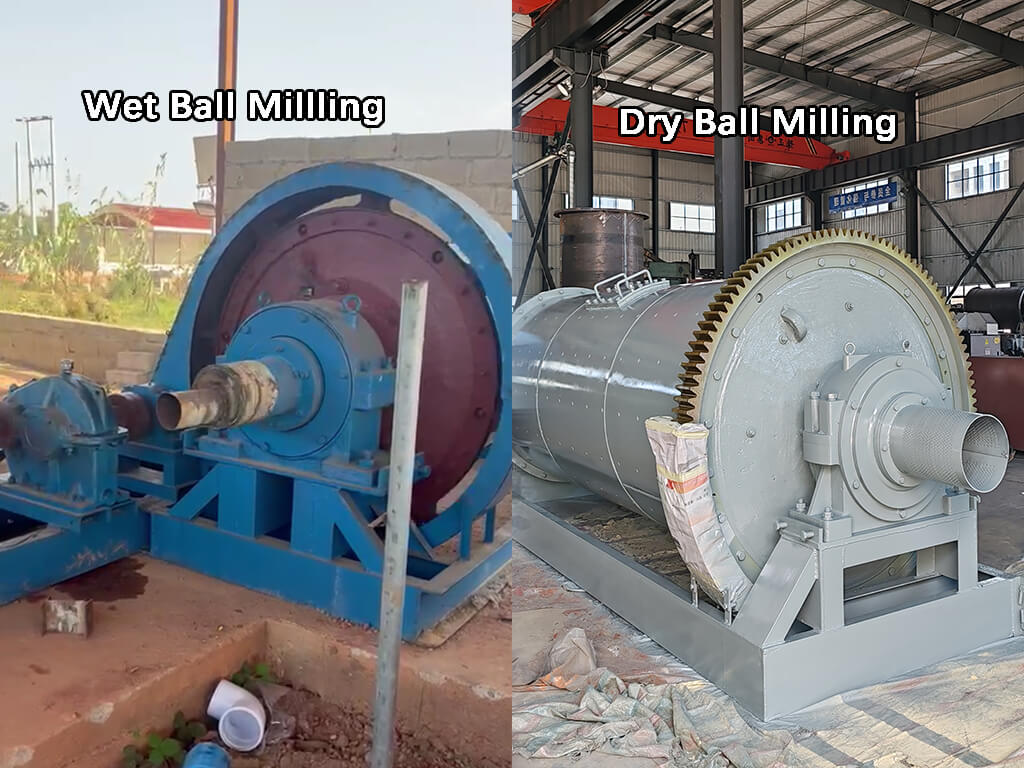
The ore is crushed to a suitable particle size using multi-stage crushing equipment, reducing its volume and providing a uniform feed for subsequent grinding processes, ensuring continuous production. The crushed particles are then fed into a ball mill, where they are further ground by the impact and grinding action of steel balls. The core of this step is to achieve the individual liberation of copper minerals from gangue, allowing the copper particles embedded in the rock to be completely separated. The grinding precision directly affects the subsequent recovery rate.
3. Concentration Stage
● Гравитационная сепарация:
For ores containing coarse-grained copper minerals, гравитационное разделение is used to recover some of the copper minerals, improving the overall system recovery rate. This is suitable for processing coarse-grained copper oxide or placer copper ores, and is usually used as a pre-enrichment process before flotation, removing some tailings to reduce the processing load of subsequent flotation.
● Flotation:
Flotation remains the core step in copper concentrate production. After adding specialized flotation reagents to the finely ground slurry, hydrophobic copper sulfide minerals adhere to the surface of the bubble jets and float to the surface. These are then scraped off to obtain crude copper concentrate, while gangue and other impurities remain in the slurry and are discharged as tailings. The флотационная машина process typically includes roughing, cleaning, and scavenging stages.
Note: The recovery rate of copper sulfide ore can reach 90%, while that of copper oxide ore is around 75%. The difference in recovery rates stems from the different floatability of the minerals. Copper sulfide is naturally hydrophobic, binds well to reagents, and is easily adsorbed by bubbles. Copper oxide is highly hydrophilic, has a finer particle size, and is difficult to completely liberate. Therefore, flotation offers the best recovery rate for enriched copper sulfide ore.
4. Concentration and Filtration
Excess moisture in the copper concentrate is removed through concentration, pressure filtration, and drying steps to meet transportation and smelting requirements, resulting in a qualified copper concentrate product.
5. Electrolytic Purification
In hydrometallurgical processes, the leached copper solution enters an electrolytic cell, where high-purity cathode copper (electrolytic copper) is obtained through electrolytic deposition for use in downstream industries. This copper ore electrolysis process is suitable for low-grade or oxidized copper ores, but it requires advanced equipment and technology.
6. Inspection and Transportation
The produced copper concentrate is sampled and tested in batches to determine copper content, impurities, and associated element indicators. After grading, a quality inspection report is issued. Qualified products are bagged or bulk and transported to the smelter by road, rail, or sea as raw material for the production of electrolytic copper.
Заключение
Copper concentrate is a key intermediate product in copper ore processing, possessing significant economic and industrial value. Its production process includes multiple stages such as mining, crushing, grinding, gravity separation, flotation, and electrolytic purification, each crucial to the quality and recovery rate of the final copper product. If you require consultation on copper concentrate production equipment or customized mineral processing solutions, please contact our professional team at JXSC. We will provide you with efficient, energy-saving, and environmentally friendly copper concentrate production solutions to help your project achieve maximum value.
 English
  Spanish
  French
  Russian