
Why is the dressing of oxidized copper ore more difficult than that of sulfide copper ore? This is a common challenge in the mining industry. Copper oxide ores are typically characterized by high slime content, fine dissemination, mineralogical complexity, and poor natural floatability, making it difficult for traditional ore processing methods to efficiently extract valuable metals. Whether employing flotation, leaching, or a combined process, each step requires a targeted optimization solution. This article systematically breaks down the six most difficult challenges in copper oxide ore dressing and provides actionable solutions for each, helping you achieve higher recovery rates and greater economic returns.
The Role Of Copper Oxide Ore Dressing
● Bridging the Copper Supply Gap
As sulfide ore reserves dwindle, copper oxide ores are stepping in to fill the void. With vast reserves and widespread distribution, they hold significant promise. Mature beneficiation technologies are unlocking the potential of these previously untapped resources, helping to alleviate supply shortages.
● Turning Low-Grade Ore into Economic Value
Many oxidized copper ores are low-grade and have long been discarded. However, advanced beneficiation processes enable the production of high-quality concentrates, transforming idle resources into tangible profits. Ore Dressing is the key to revitalizing these ores.
● Reducing the Burden on Smelting
Directly smelting low-grade run-of-mine ore is costly. Preliminary beneficiation enriches the material, raising the grade of the furnace feed. High-grade concentrate leads to lower energy consumption and reduced reagent usage, streamlining subsequent smelting operations.
● Aligning with Green Transformation Goals
Eficaz copper ore dressing technologies minimize wastewater and tailings pollution and reduce the use of hazardous reagents. This fosters the development of a greener mining industry and ensures compliance with global environmental regulations.
● Driving Plant Profitability
Every incremental increase in recovery rates translates into real profit. Optimizing processes and reagents allows for higher copper yields from the same volume of ore, while stable performance metrics reduce operational risks. Beneficiation efficiency is directly linked to corporate returns.
6 Common Challenges and Targeted Solutions
Challenge 1: Slime coating caused by high slime content
Phenomenon:
Grinding copper oxide ore tends to generate significant amounts of fine slime. This slime adheres to mineral surfaces, forming a dense coating layer that hinders effective contact between air bubbles and the copper minerals. Furthermore, the slime possesses a high specific surface area and aggressively consumes flotation reagents; consequently, reagent wastage is high, leaving very little to actually act upon the copper minerals.
Solución:
Using pre-desliming by a clasificador espiral o hydrocyclone, achieving desliming efficiencies of over 85%. Combining this with dispersants, such as sodium fluorosilicate, effectively resolves the slime coating issue and optimizes reagent adsorption.
Challenge 2: Poor Sulfidization
Phenomenon:
Copper oxide minerals are naturally hydrophilic and require sulfidization for flotation. However, precisely controlling the dosage of sodium sulfide is difficult; insufficient amounts lead to inadequate activation, while an excess causes a depressing effect. Even a slight error can result in complete flotation failure.
Solución:
Implement a staged sulfidization technique by adding sodium sulfide in increments to avoid overdosing. Introduce a catalytic sulfidization activator to accelerate the reaction rate. Supplement with ammonium sulfate to mitigate the adverse depressing effects. The use of combined activators can significantly enhance sulfidization efficiency and improve flotation recovery.
Challenge 3: Fine Dissemination and Difficult Liberation
Phenomenon:
Copper oxide ores are often finely disseminated within the gangue, with grain sizes frequently below 10 microns. Such fine grain sizes make liberation difficult via conventional grinding. Without achieving full mineral liberation, composite particles remain—containing both copper and gangue—which compromises both grade and recovery during flotation.
Solución:
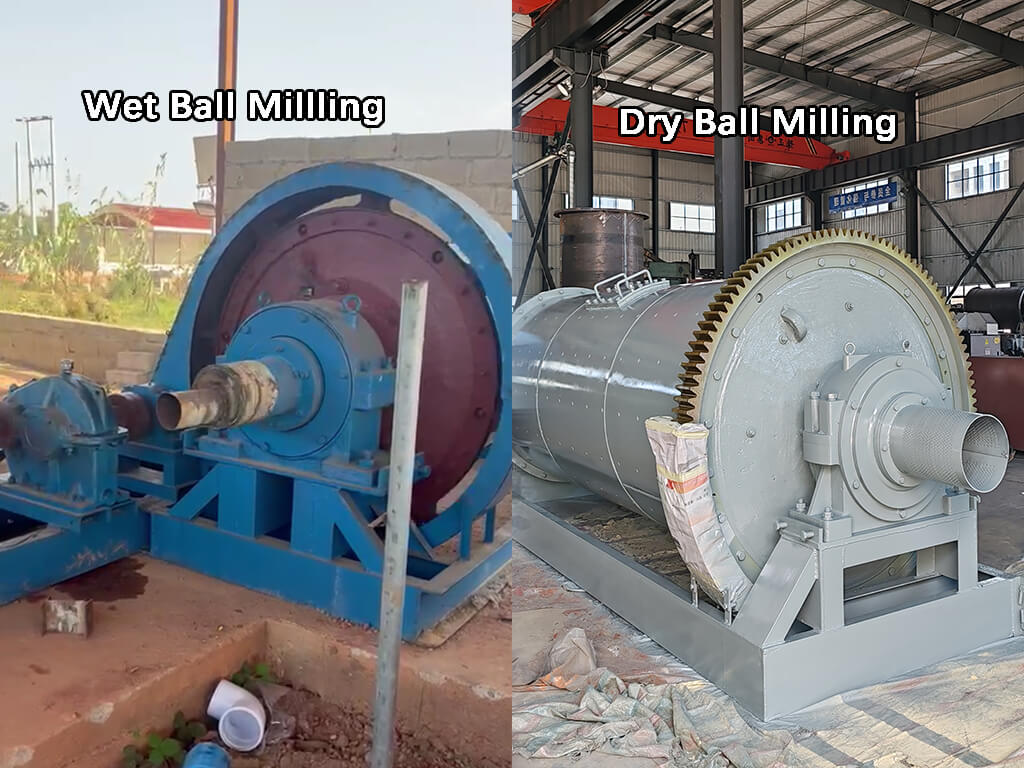
A two-stage grinding process enables effective mineral liberation, while a staged grinding-staged separation flowsheet prevents the loss of fines caused by over-grinding. Optimizing grinding fineness parameters can significantly enhance the degree of liberation for valuable minerals.
Challenge 4: Complex mineralogy and significant differences in floatability
Phenomenon:
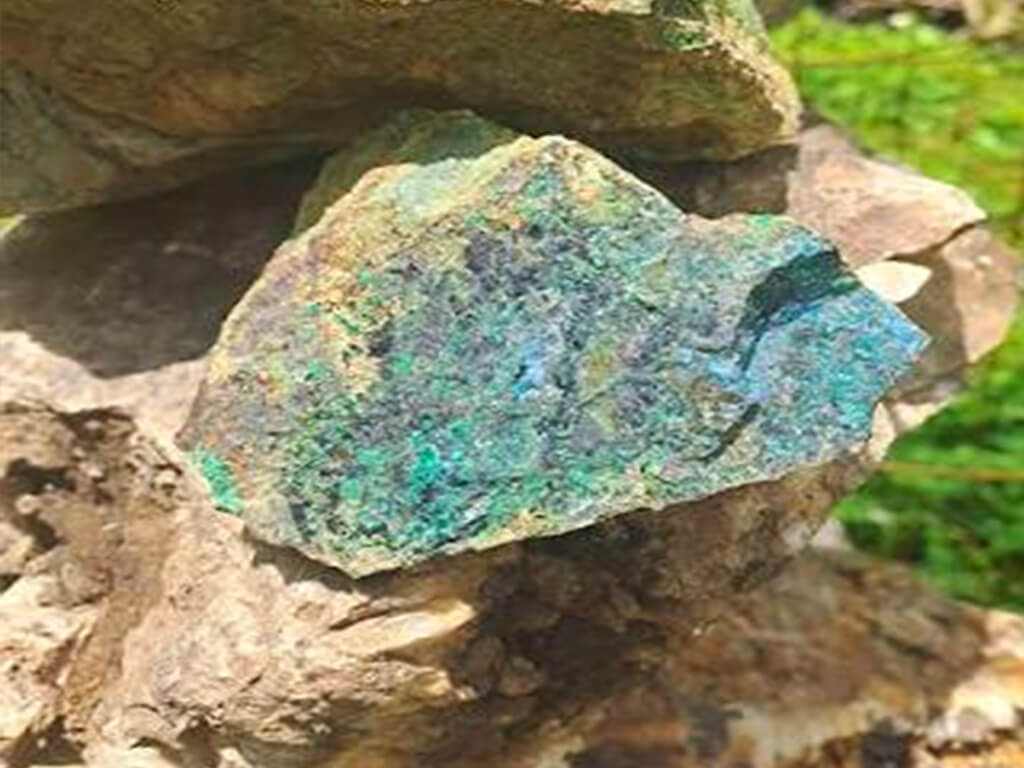
Malachite and chrysocolla often coexist. These minerals exhibit vastly different flotation behaviors; notably, the surface of chrysocolla is highly hydrophilic, making it nearly impossible to float. A single, unified process struggles to accommodate these diverse characteristics, often resulting in trade-offs where the recovery of one mineral comes at the expense of another.
Solución:
Implement a staged separation process that prioritizes easier-to-process minerals before targeting the more difficult ones. Utilize a combined flotación–magnetic separation circuit to leverage differences in magnetic properties. Additionally, employ specialized reagents, such as hydroxamates and TMATT chelating agents, to target the refractory minerals. This differentiated strategy ensures that each type of copper mineral is effectively processed, thereby significantly improving the overall recovery rate.
Challenge 5: Interference from Alkaline Gangue
Phenomenon:
The dissolution of calcite and dolomite releases calcium and magnesium ions, which interfere with reagent performance and mineral surface reactions. Effective separation of gangue from copper minerals is difficult, resulting in reduced concentrate grade.
Solución:
For highly alkaline ores, an ammonia leaching process can be adopted to achieve better selectivity. In flotation applications, a combination of sodium silicate and sodium hexametaphosphate is used as a depressant to stabilize pulp properties; optimizing the flotation environment through pH adjustment effectively mitigates the adverse effects of alkaline gangue. Consequently, concentrate quality is significantly improved.
Challenge 6: Low Grade and High Cost Pressures
Phenomenon:
Copper oxide ores typically have low head grades—usually ranging from 0.4% to 1.2%—making traditional flotation processes economically unviable. Low grades translate to high production costs per tonne of metal. Traditional pyrometallurgical smelting requires massive capital investment, imposing an unsustainable financial burden. These cost pressures severely compress the economic feasibility of project development.
Solución:
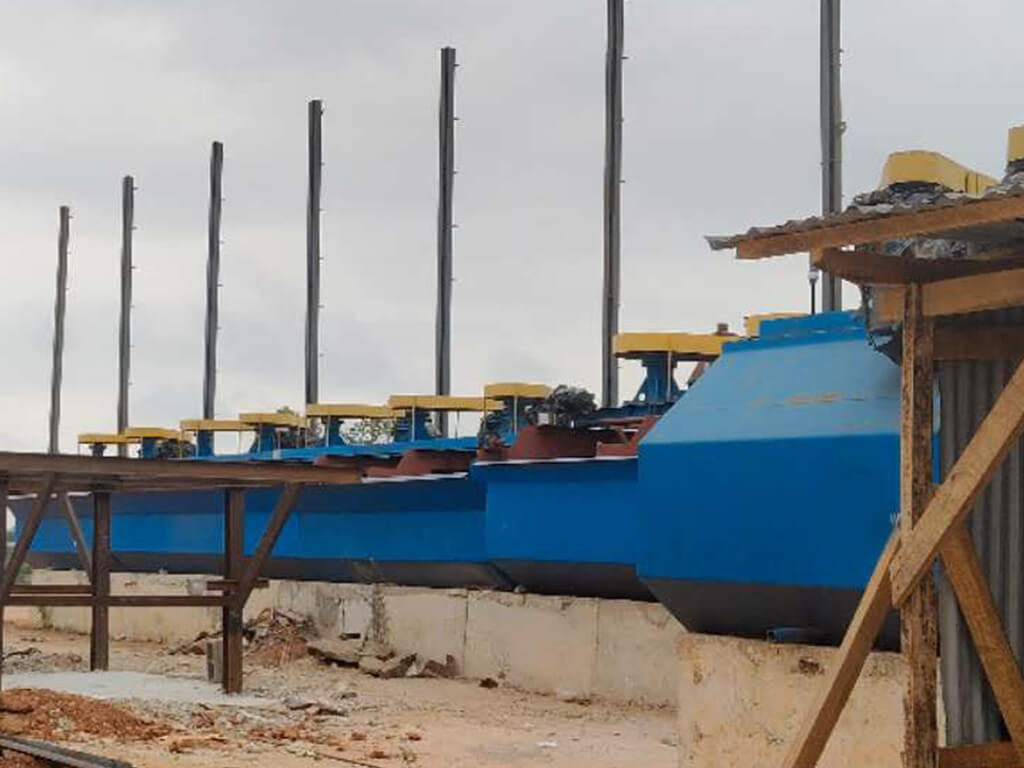
The Heap Leaching-SX-EW (Solvent Extraction-Electrowinning) hydrometallurgical process is an ideal choice for low-grade copper oxide ore dressing plants, requiring far less investment than traditional smelters. A combined flotation-leaching approach allows for staged recovery, addressing easier-to-process material first before tackling more complex ore. This integrated copper oxide ore dressing solution maximizes resource utilization and copper recovery rates. By employing an optimal combination of processes, costs are significantly reduced, providing an economically viable solution for developing low-grade copper oxide ore plants.
Conclusión
Copper oxide ore dressing has never been an unsolvable problem. To address the six major hurdles—slime coating, uncontrolled sulfidization, difficulty in separating fines, complex mineralogy, alkaline gangue, and cost pressures—the industry has developed a suite of effective strategies. These include slime removal and dispersion, staged sulfidization, classification-based grinding, sequential separation, combined impurity suppression, and cost-reducing hydrometallurgical techniques. Since ore characteristics vary from mine to mine, success lies in tailoring processes to the specific nature of the ore, thereby transforming “difficult-to-process” material into a viable resource. If you are grappling with recovery rate and cost issues, we invite you to contact JXSC’s expert technical team to unlock the maximum value of your copper oxide resources.
 English
  Spanish
  French
  Russian