Multi-Layer Stacked Vibrating Screen

Compact 5-Deck High-Frequency Screen For Fine Particle Classification

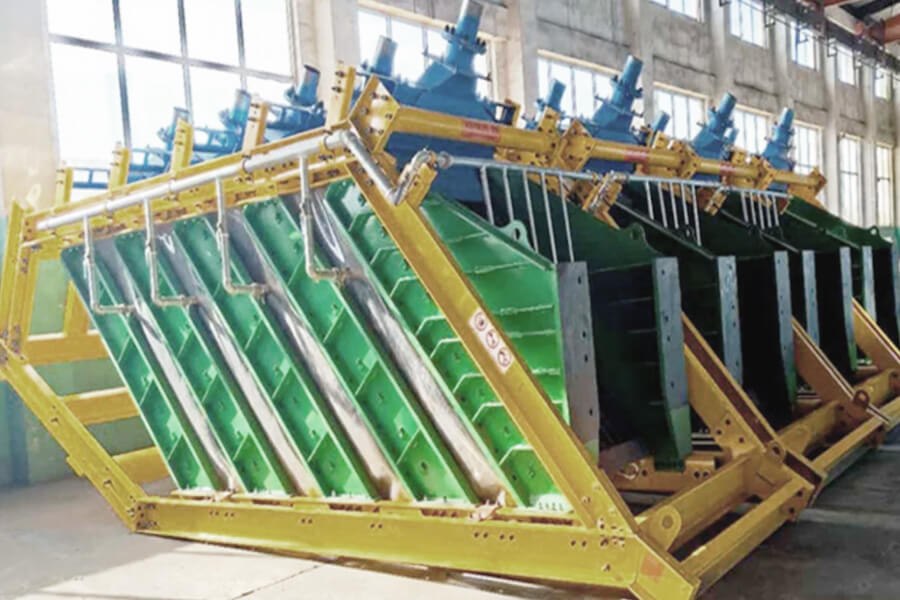
The multi-layer stacked vibrating screen is a high-efficiency, modular, high-frequency screening unit specifically designed for the classification and dewatering of wet, fine-grained materials in mineral processing plants. It is widely used in quarries, sand washing facilities, mineral processing plants, coal mines, and construction sites. Unlike traditional vibrating screens that operate on a “single-layer, single-stream” basis, the stacked vibrating screen features 3 to 5 screen decks operating synchronously in a stacked configuration; each deck operates with independent feed and discharge, delivering advanced classification technology and exceptionally high screening efficiency.

Brève introduction

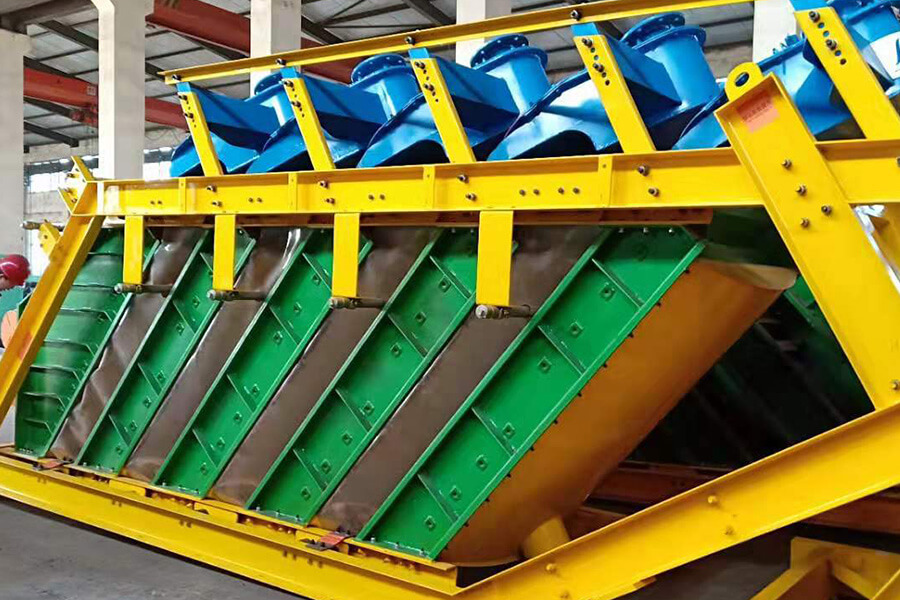
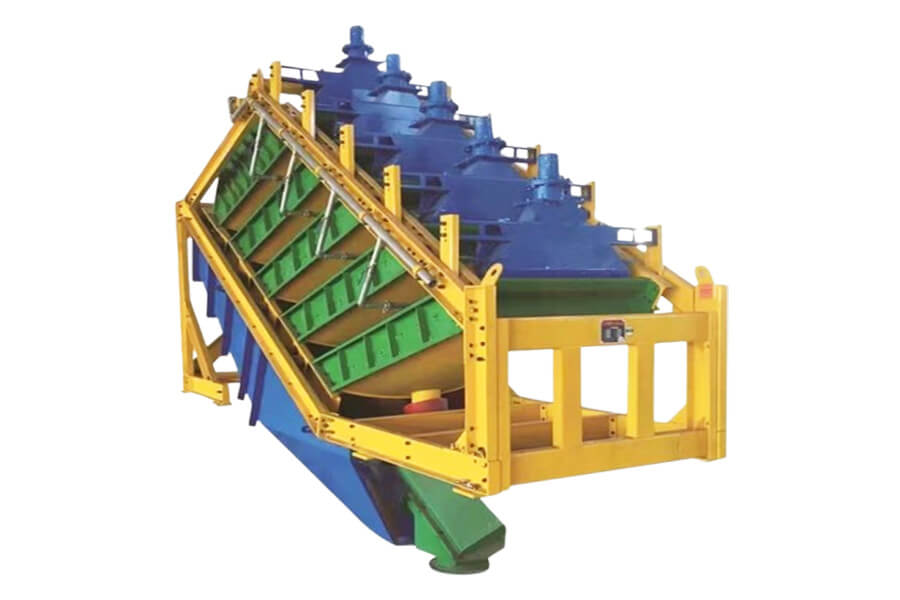
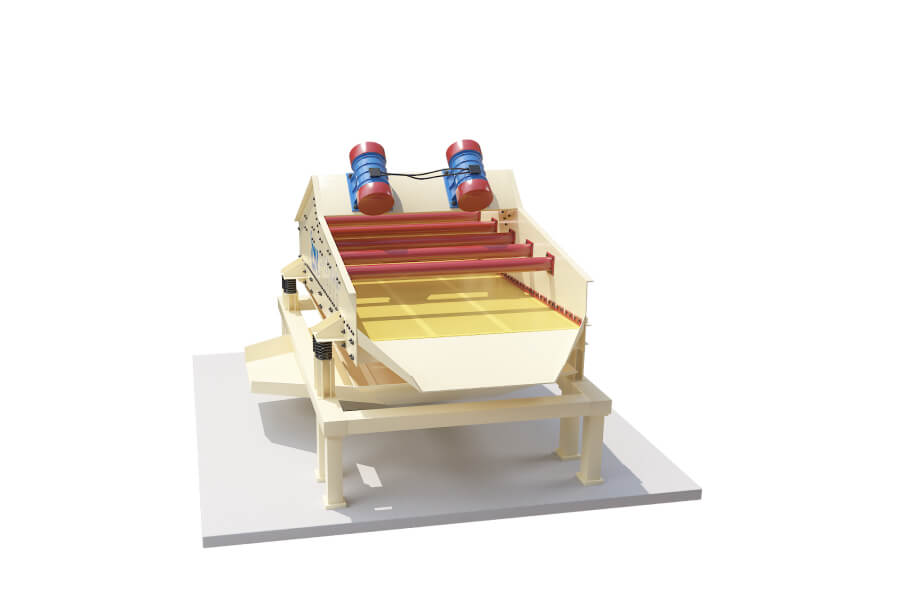
A multi-layer stacked vibrating screen, also known as a stack sizer, is a high-frequency vibrating fine screen. It features a configuration in which multiple independent screening units are integrated into a single machine, with the screen decks arranged in a staggered, stacked formation. A single unit can be configured with 3 to 5 decks; each deck operates independently, and the oversize and undersize materials are collected separately for unified discharge, thereby achieving high-efficiency, parallel multi-stream screening.

This multi-layer stacked vibrating screen delivers high processing capacity within a minimal footprint. Driven by vibrating motors that induce high-frequency vibration across the screening surfaces and utilizing varying mesh apertures across the layers, it performs multi-stage screening in a single pass, significantly enhancing efficiency and saving space. It is widely used for particle size control, grading, and impurity removal of various bulk materials such as iron ore, tungsten ore, tin ore, tantalum-niobium ore, coal ore, sand, gravel, stone, and aggregate. Particularly well-suited for large-scale mineral processing, sand and aggregate production, and the screening of chemical raw materials. In mineral processing applications, it serves as an upgraded alternative to traditional hydrocyclones and spiral classifiers.

Why Choose Our Multi-Layer Stacked Vibrating Screen

Multi layer Stacked Vibrating Screen 1

Multi-layer Modular Design:

Vertically stacks 1 to 5 screen decks, offering a compact footprint and high processing capacity.

High-strength Screen Frame:

Features wear-resistant steel or rubber edging to extend service life.

Dual-Vibration-Motor Drive:

Symmetrically arranged and rotating synchronously in opposite directions to ensure stable linear vibration.

Elastic Support System:

Rubber springs dampen vibrations, reducing noise and equipment wear.

Avantages

1. Multi-layer stacked design: Configurable with 2, 3, or 5 layers to meet specific customer requirements for multi-stage particle size classification.
2. High-efficiency classification: Parallel multi-stream feeding enables simultaneous multi-stage screening, offering processing capacity far exceeding that of single-layer screens.
3. Compact footprint: The vertical stacking design reduces the equipment’s footprint by over 50%, significantly saving space.
4. Precision screening: High-frequency vibration combined with uniform material distribution ensures screening efficiency exceeding 90%.
5. Low noise: Rubber spring suspension effectively suppresses the transmission of structural noise, resulting in quiet operation.

6. Durable screens: Wear-resistant and anti-clogging polyurethane screens feature an inverted-triangle aperture design that prevents material jamming and ensures a long service life.
7. No foundation required: Dynamic loads are minimal; installation can be performed directly on standard paved surfaces without the need for a concrete foundation.
8. Easy maintenance: Only the screen surface vibrates while the housing remains stationary; wear is concentrated on the screen mesh, minimizing routine maintenance requirements.
9. High adjustability: Screen aperture sizes are selectable, and vibration frequency and excitation force can be flexibly adjusted based on material characteristics.

Multi-Layer Stacked Vibrating Screen Working Principle

The stacked vibrating screen utilizes a vibration motor to generate high-frequency vibrational energy, which is transmitted to a multi-layer screen box via a spring suspension system. Material fed onto the top screen is rapidly dispersed by the vibration; fine particles pass through the apertures to the lower layers, while coarse particles move forward along the screen surface until discharged. The mesh size of each screen layer (1-5 )decreases progressively, achieving continuous grading from coarse to fine.

Multi layer Stacked Vibrating Screen 1

Spécifications

Modèle

Screening Size (m²)

Couche

Vibration Amplitude(mm)

Feeding Density (%)

Motor Power (kw)

Rotating speed (r.p.m)

Lateral Slope

1216-1

1.92

1

1.33-2.61

30-40

2.2kw*2

1500

20°

1216-2

3.84

2

1.33-2.61

30-40

2.2kw*2

1500

20°

1216-3

5.76

3

1.33-2.61

30-40

2.2kw*2

1500

20°

1216-5

9.6

5

1.33-2.61

30-40

2.2kw*2

1500

20°


Questions fréquemment posées

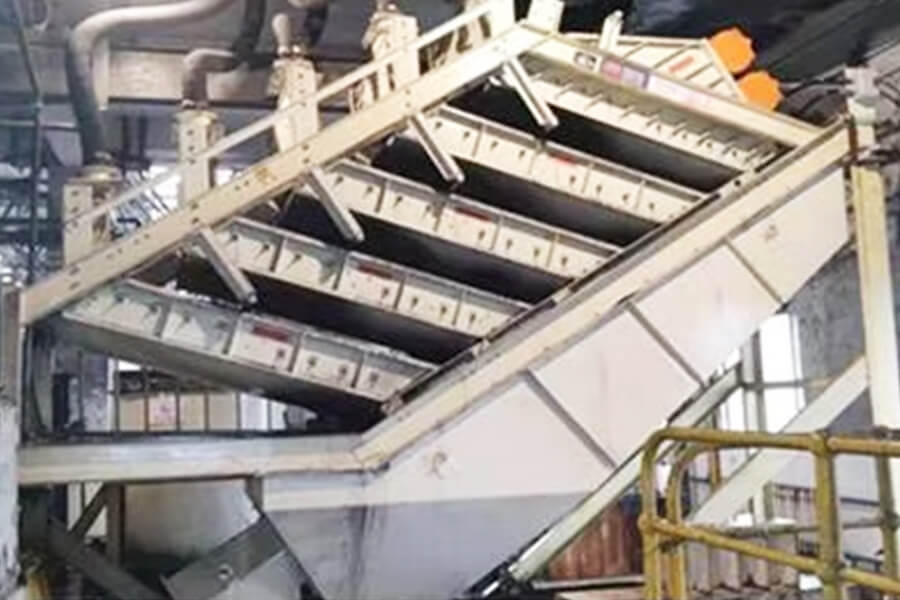
Multi-deck stacked vibrating screens are usually installed in the grinding and classification circuit, replacing spiral classifiers ou hydrocyclones to control the particle size of the ball mill discharge. They can also be used for coarse-particle removal before concentrate dewatering or as a pre-screening device in tailings recovery systems, offering flexibility in placement.

Conventional vibrating screens are typically installed horizontally with one or two decks; a single unit processes only one material stream, and the machine’s width limits the screening area.
Stacked vibrating screens can simultaneously produce 3 to 5 product grades, effectively acting like multiple screening units operating in parallel, and offer higher screening precision, making them particularly suitable for the wet screening of fine particles.

It is primarily suitable for the wet, fine-particle screening and classification of ferrous and non-ferrous metal ores—such as iron, ilmenite, tungsten, tin, tantalum-niobium, and coal. Typical applications include concentrate particle size control, desliming and ash reduction of coarse coal slime, and replacement of spiral classifiers to minimize over-grinding.

It is recommended to keep the feed particle size below 6 mm, and the optimal feed concentration is between 30% and 40%.

The screens of the stacked vibrating screen feature an inverted-triangle anti-clogging design and are made of elastic polyurethane; they possess inherent self-cleaning capabilities and do not easily clog under normal operating conditions. Additionally, optional bouncing ball or ultrasonic cleaning systems are available to prevent clogging. In the event of a blockage, an intermittent, instantaneous vibration function can be activated via the electronic control system to periodically dislodge trapped particles.

Recherche de produits

JXSC LOGO foncé

Parlez à nos experts dès aujourd'hui

Nous contacter