
Ilménite is the primary global source of titanium, accounting for over 90% of the total supply. A product of ilmenite processing: titanium concentrate, is widely used in downstream industries such as titanium dioxide (93%), welding rods (3%), and titanium metal (2.5%). It is an indispensable key raw material for high-end manufacturing industries such as aerospace, coatings, and plastics. Unlike titanium-rich minerals such as rutile, ilmenite features a tight intergrowth of iron and titanium; with raw ore TiO₂ grades typically ranging from only 5% to 25%, it requires multi-stage beneficiation to yield titanium concentrate that meets downstream specifications. Consequently, as the Earth’s most abundant source of titanium, the processing technology for ilmenite (FeTiO₃) directly influences the operational efficiency of the entire titanium industry chain.
From raw ore to high-grade concentrate, the process involves a complex and precise ilmenite processing flow: crushing, grinding, gravity separation, magnetic separation, flotation, and dewatering. Each step directly determines the grade and economic value of the final product.
Why Ilmenite Ore Matters?
● Current Status of Titanium Resources
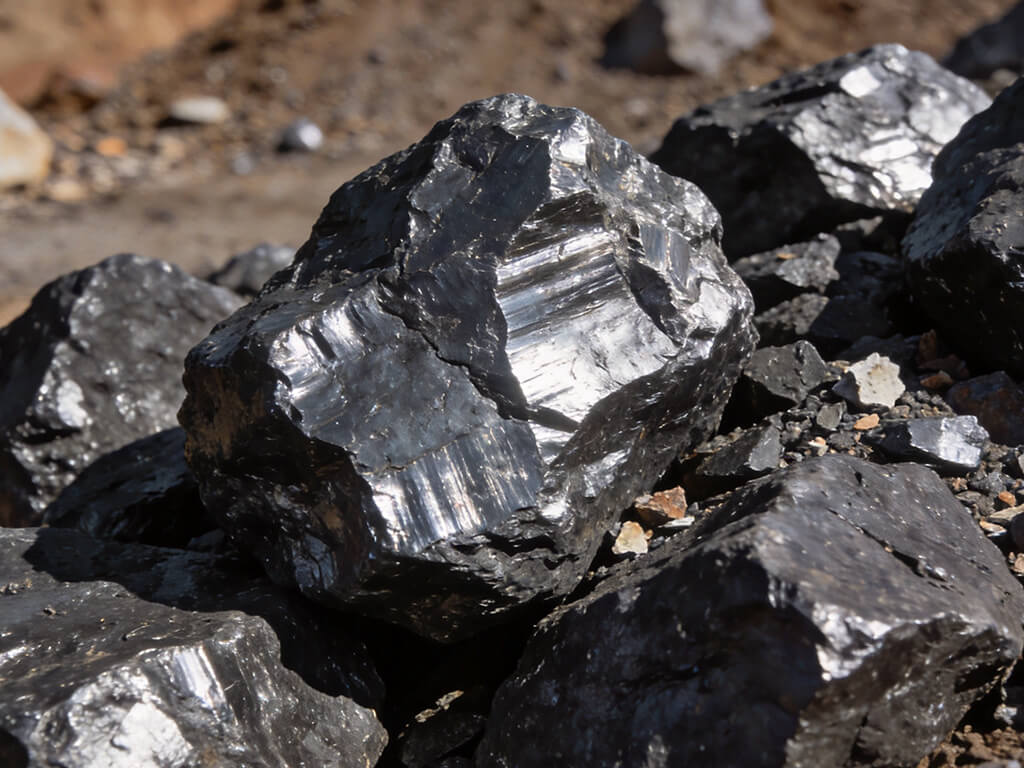
Ilmenite (FeTiO₃) is the primary carrier of titanium on Earth and is widely distributed across regions such as Australia, South Africa, China, and Mozambique. It serves not only as the lifeblood of the titanium dioxide industry but also as a fundamental raw material supporting strategic sectors such as aerospace, defense, and new energy. As high-quality resources gradually dwindle, the importance of efficient ilmenite processing has become increasingly prominent.
● Market Scale
A key driver is the expanding demand for titanium dioxide within the global architectural coatings and plastics industries. Concurrently, demand for aerospace-grade titanium alloys continues to rise. Consequently, the processes of industrialization and urbanization in emerging economies are collectively driving up the overall consumption of titanium resources.
● lmenite vs Rutile
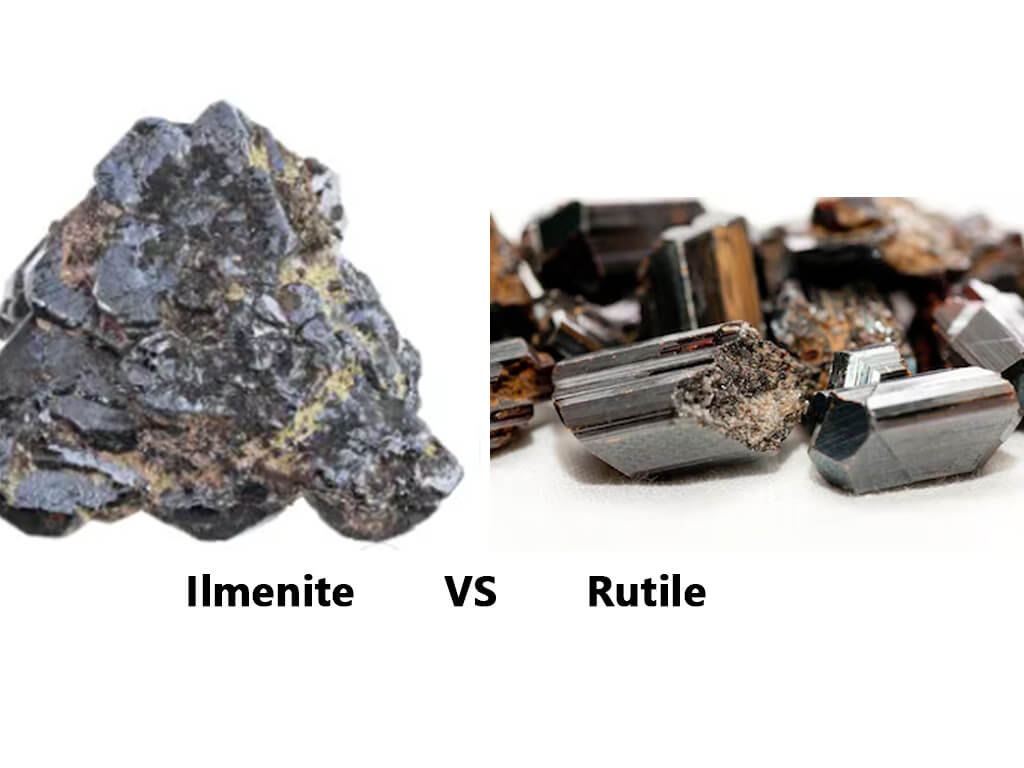
| Comparison Item | Ilménite | Rutile |
|---|---|---|
| Formule chimique | FeTiO₃ | TiO₂ |
| Ore Form | Black sand grains / hard rock | Reddish-brown crystals |
| TiO₂ Content | 45% - 65% | Approx. 95% |
| Abundance | Very abundant, over 90% of titanium resources | Scarce, limited production |
| Processing Difficulty | Requires multi-stage beneficiation, complex | Simple |
| Market Price | Low | Haut |
| Main Applications | Sulfate process TiO₂, titanium slag | Chloride process TiO₂, titanium metal (high-end industries) |
● Downstream Uses of Titanium Concentrate
The vast majority of ilmenite concentrate eventually becomes titanium dioxide; it is a core white pigment in the coatings, plastics, and paper industries, with extremely large market demand. Thanks to its combination of low weight and high strength, titanium metal is widely used in aircraft engines and medical implants. Only a very small fraction is utilized for titanium metal smelting (such as for aero-engine blades) or the manufacture of specialized welding electrodes.
What Is Ilmenite Ore? A Quick Overview
● Chemical Composition and Physical Properties of Ilmenite
Ilmenite, with the chemical formula FeTiO₃, is an iron-titanium oxide mineral. Its density is significantly higher than that of common gangue minerals, creating favorable conditions for gravity separation. It exhibits a characteristic steel-gray to black metallic luster and is weakly magnetic, allowing for effective recovery using high-intensity magnetic separation equipment.
● Global Distribution of Ilmenite Resources
Global ilmenite resources are primarily distributed across countries such as Australia, South Africa, China, Mozambique, and so on. Australia possesses vast deposits of ilmenite sands and serves as a key production hub for exports. Deposits in South Africa are often associated with rutile and zircon, offering high value for comprehensive resource utilization.
Types of ilmenite ores
Coastal placer deposits and hard-rock deposits:
Coastal placer deposits have undergone long-term sorting by wave action; the mineral grains are essentially liberated and can be mined directly. This type of ore requires no crushing, entails low processing costs, and offers high recovery rates.
In hard-rock deposits, valuable minerals are intimately associated with gangue and exhibit extremely fine dissemination sizes; effective separation requires crushing, grinding, and multi-stage beneficiation processes. Consequently, the processing flow for hard-rock ilmenite is complex and energy-intensive.
Ilmenite Ore Processing Flow: A Complete Step-by-Step Guide
Step 1 — Mining and Raw Ore Preparation
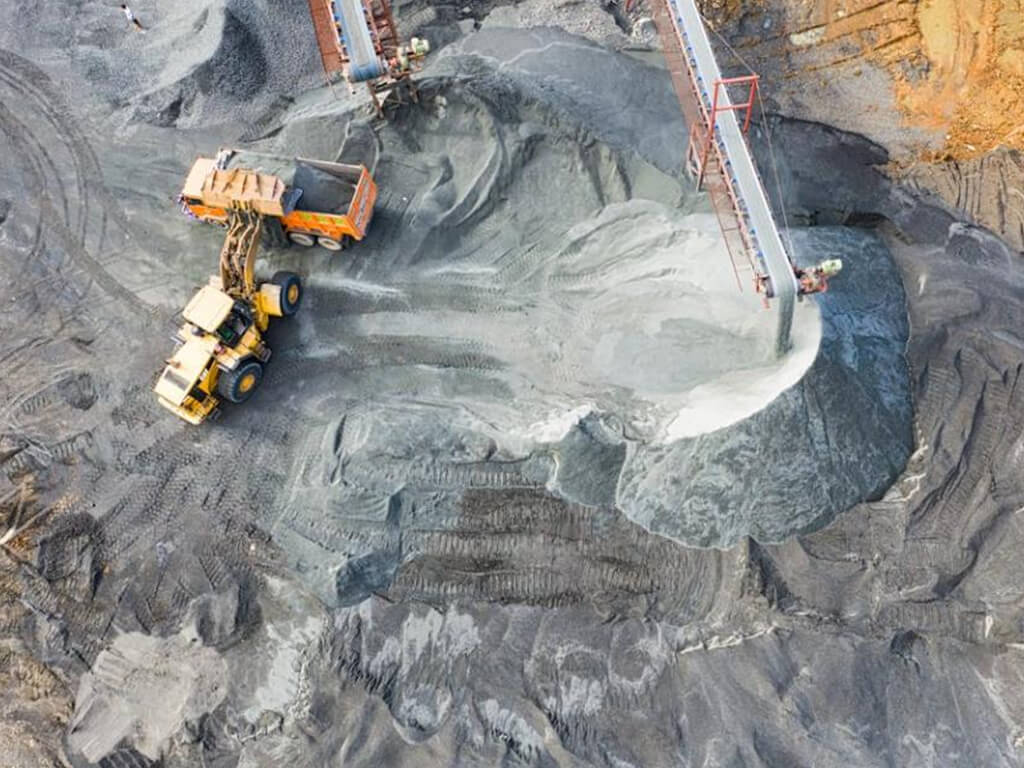
Ilmenite mining is primarily conducted via open-pit methods, which offer low costs and suitability for large-scale operations. Extracted raw ore is transported by truck to the processing plant, where it is temporarily stockpiled and blended for uniformity. The grade of raw placer ore typically ranges from 5% to 25%, whereas hard-rock ore exhibits a wider grade range but possesses a denser structure.
Step 2 — Crushing and Grinding (Liberation)
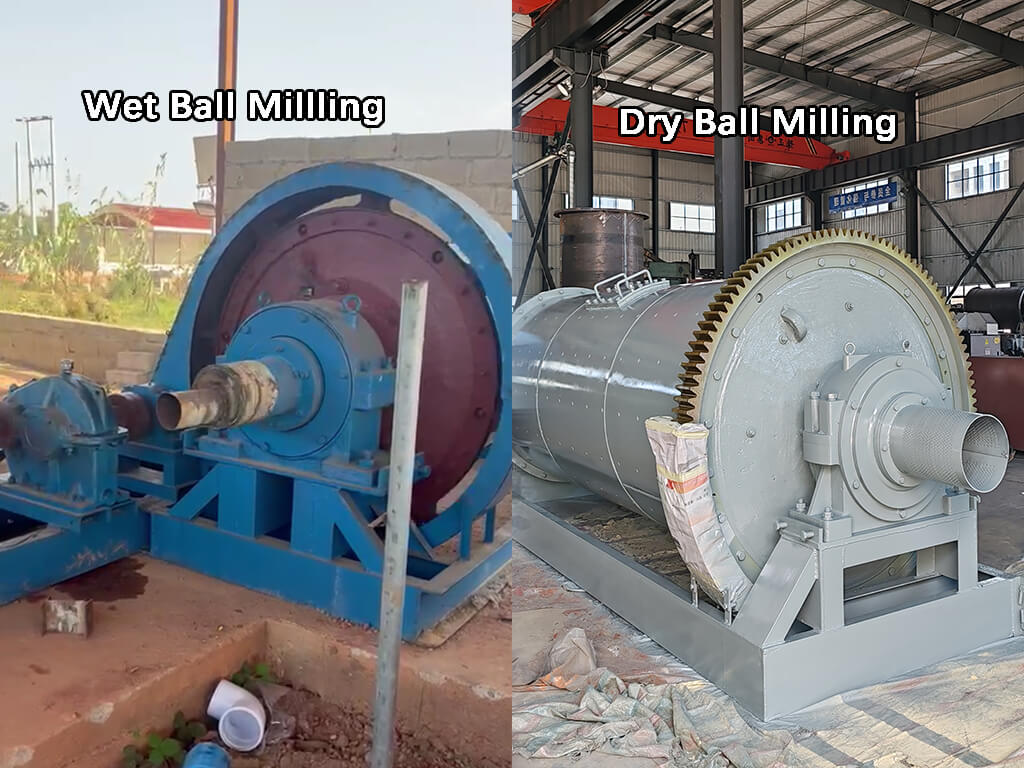
The run-of-mine ore undergoes primary and secondary crushing in a jaw crusher and a cone crusher, respectively, before being fed into a broyeur à boulets for grinding. The grinding fineness is typically controlled to below 0.074 mm; this is a critical parameter for ensuring the full liberation of ilmenite from the gangue. Insufficient grinding leads to incomplete mineral liberation, whereas excessive grinding causes sliming, which severely impairs the efficiency of subsequent separation processes.
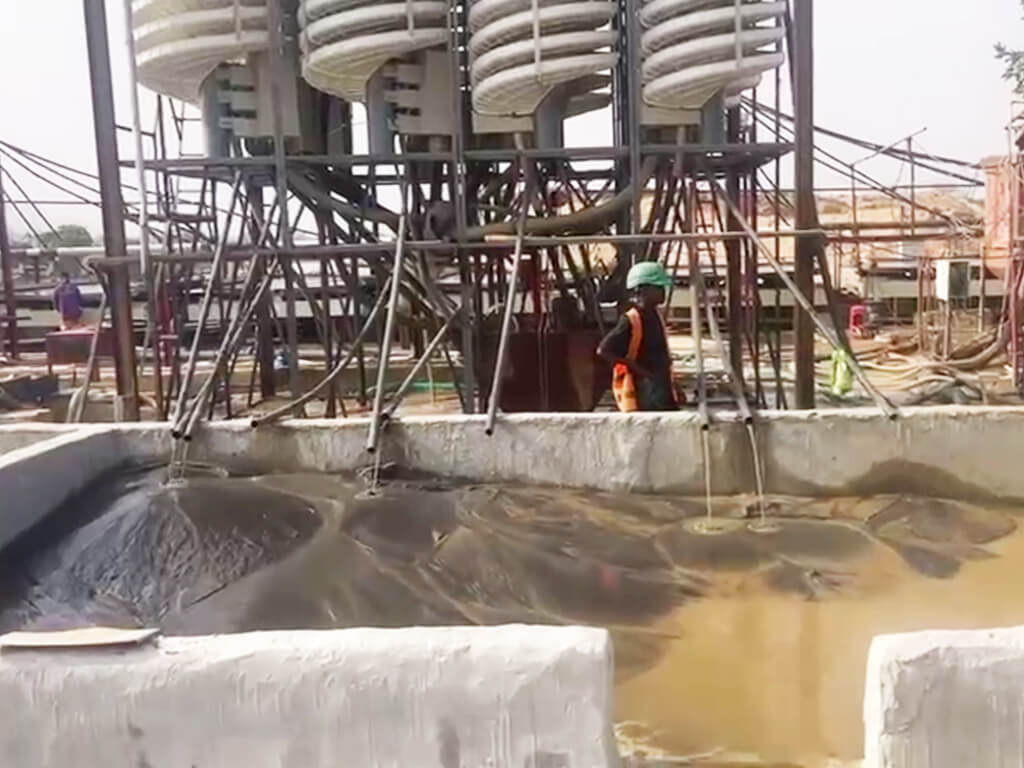
Step 3 — Gravity Separation (Pre-concentration)
Séparation par gravité utilizes the density difference between ilmenite and gangue minerals to achieve preliminary enrichment; it is a cost-effective and environmentally friendly separation method. Key equipment includes spiral chutes et tables à secousses, making the process particularly suitable for coarse-grained ilmenite sand (particle size >0.1 mm). Within a comprehensive ilmenite ore processing flowsheet, gravity pre-concentration serves as an efficient initial stage, effectively rejecting large volumes of low-grade tailings.
Step 4 — Magnetic Separation (Ore Upgrading)
Ilmenite is weakly magnetic and can be effectively separated from gangue using magnetic separation equipment. A low-intensity magnetic separator is first used to remove magnetite, followed by a high-intensity magnetic separator to recover and concentrate the ilmenite.
Step 5 — Flotation (Fine Particle Recovery)
Flottation is specifically employed for fine-grained and complexly associated ilmenite, and it requires high technical precision. The optimal combination of collectors and modifiers determines flotation efficiency and concentrate quality. Reagent regimes must be adjusted in real time based on ore characteristics to ensure stable performance metrics.
Step 6 — Electrostatic Separation (Optional)
Electrostatic separation is suitable for high-value composite placer deposits where ilmenite co-exists with rutile and zircon. The equipment utilizes differences in mineral conductivity to achieve precise separation within a high-voltage electric field. This process often serves as a supplementary purification step following magnetic separation, effectively enhancing final product quality.
Step 7 — Concentrate Dewatering and Drying
Ilmenite concentrate slurry undergoes thickening, filtration, and drying to remove excess moisture. The final product achieves a TiO₂ grade exceeding 46% with a moisture content controlled below 1%. During ilmenite processing, iron concentrate can also be recovered as a by-product, enabling comprehensive resource utilization.
How To Design A Ilmenite Ore Processing Plant?
| Design Stage | Key Considerations | Recommended Solution |
|---|---|---|
| Ore Analysis | Grade, grain size, dissemination | Conduct process mineralogy study first |
| Process Selection | Placer sand or hard rock | Placer: gravity + magnetic; Rock: add flotation |
| Equipment Selection | Capacity and energy consumption | Jaw crusher + Cone crusher + Ball mill |
| Magnetic Separation Setup | Ore magnetic properties | Low-intensity to remove magnetite, high-intensity to recover ilmenite. |
| Système de flottaison | Fine-grained complex ore | One roughing + one scavenging + multiple cleaning stages |
| Dewatering & Drying | Moisture control | Thickener + Filter + Dryer in series |
| Gestion des résidus | Environmental compliance | Impermeable storage or comprehensive utilization |
| Coût de l'investissement | ROI period | Prioritize core separation stages |
Conclusion
From mine extraction to the dispatch of titanium concentrate, ilmenite processing undergoes a series of stages, including crushing, grinding, gravity separation, magnetic separation, flotation, electrostatic separation, and dewatering/drying. Crushing and grinding achieve mineral liberation; gravity and magnetic separation accomplish preliminary enrichment; flotation and electrostatic separation address the challenges associated with fine particles; and final dewatering and drying yield a high-quality product. Each step is seamlessly integrated to ensure efficient resource recovery and product quality. Mastering this comprehensive ilmenite processing workflow is fundamental to increasing recovery rates and reducing operating costs at the processing plant. Please feel free to contact us for customized ilmenite beneficiation equipment or technical consultation—we are ready to provide tailored solutions.
 English
  Spanish
  French
  Russian