
Why is there a global scramble for tungsten? From precision parts in mobile phones to high-temperature-resistant components in rocket engines, this rare metal, known as the “teeth of industry,” is indispensable for precision manufacturing under almost all extreme conditions. Even more noteworthy is that China accounts for about 80% of the world’s tungsten production, and in 2026, tungsten prices surged by over 600% in just over a year. Consequently, the mining and processing of this strategic metal has made this previously low-profile industry chain a focus of attention for the mining sector and investors. But have you ever wondered how these seemingly ordinary ores undergo complex physicochemical processing to transform into the high-tech “teeth of industry”? This article takes you into the world of tungsten to explore its properties and sources, examine cutting-edge mineral processing technologies, and understand why it is regarded as an essential strategic resource in the modern industrial system.
What Is Tungsten & Why It Matters?
(1) Definition and Characteristics
Tungstène is a rare, silvery-white metal typically found deep within ores such as wolframite and scheelite. With a melting point of 3,422°C, the highest of any metal, and possessing exceptional density and hardness, it has virtually no true substitute in the industrial sector. Consequently, tungsten is often referred to as the “teeth” and “backbone” of modern industry, playing an indispensable role in fields ranging from aerospace to electronics manufacturing.
(2) High-End Applications of Tungsten
Tungsten is ubiquitous across a wide range of applications. In the industrial sphere, cemented carbide is perhaps the most common form; mining drill bits, metal-cutting tools, and the cutterheads of tunnel-boring machines all rely on tungsten’s hardness. At the same time, military components such as armor-piercing projectile cores and aero-engine blades also require the high density and high-temperature resistance of tungsten to ensure reliability. In recent years, tungsten wire used for slicing silicon ingots in the photovoltaic industry and high-purity tungsten used for metal gates in chip manufacturing have emerged as new engines of demand growth.
Global Demand Growth:
Driven by the rapid expansion of high-end manufacturing, global demand for tungsten continues to rise. Furthermore, applications for tungsten are expanding into areas such as electric vehicle batteries, semiconductor manufacturing, and new energy technologies. Recently, countries including the United States, the United Kingdom, Vietnam, and Zimbabwe have designated tungsten a critical mineral, with many nations accelerating the development of domestic or “friend-shoring” supply chains to reduce reliance on single sources. All of this hinges on upstream tungsten mining and processing, which serve as the starting point for the entire industrial chain.
Where Is Tungsten Mined?
Global Landscape:
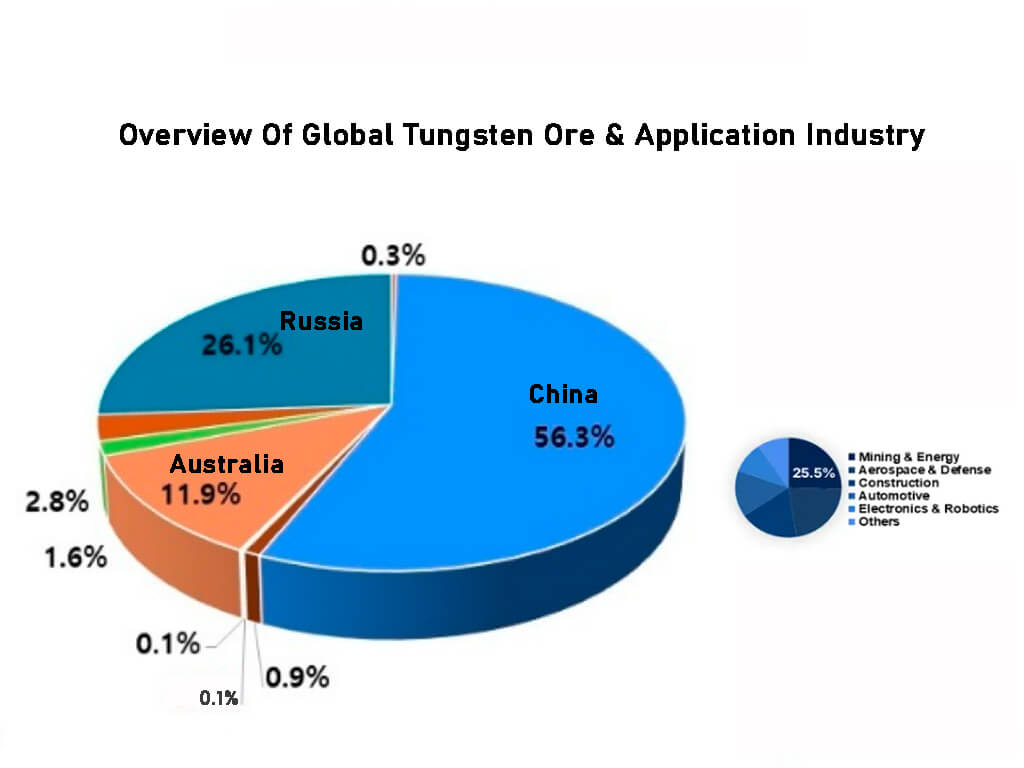
As of 2026, tungsten resources are unevenly distributed globally, with China, Russia, and Australia collectively holding the lion’s share of proven reserves. Leveraging its exceptional natural endowment, China accounts for about 56.3% of the global total and leads the world in production. Russia and Australia follow closely, also possessing substantial tungsten reserves. Domestically, tungsten deposits are concentrated primarily in the provinces of Jiangxi, Hunan, and Henan. Notably, Ganzhou in Jiangxi Province is renowned as the “Tungsten Capital of the World.” These regions collectively underpin the global landscape of tungsten mining and processing. Although many other countries are actively engaged in exploration, the existing market structure remains unlikely to shift significantly in the near term.
Two Key Minerals:
Tungsten does not occur naturally in its pure metallic form but is found within two primary minerals.
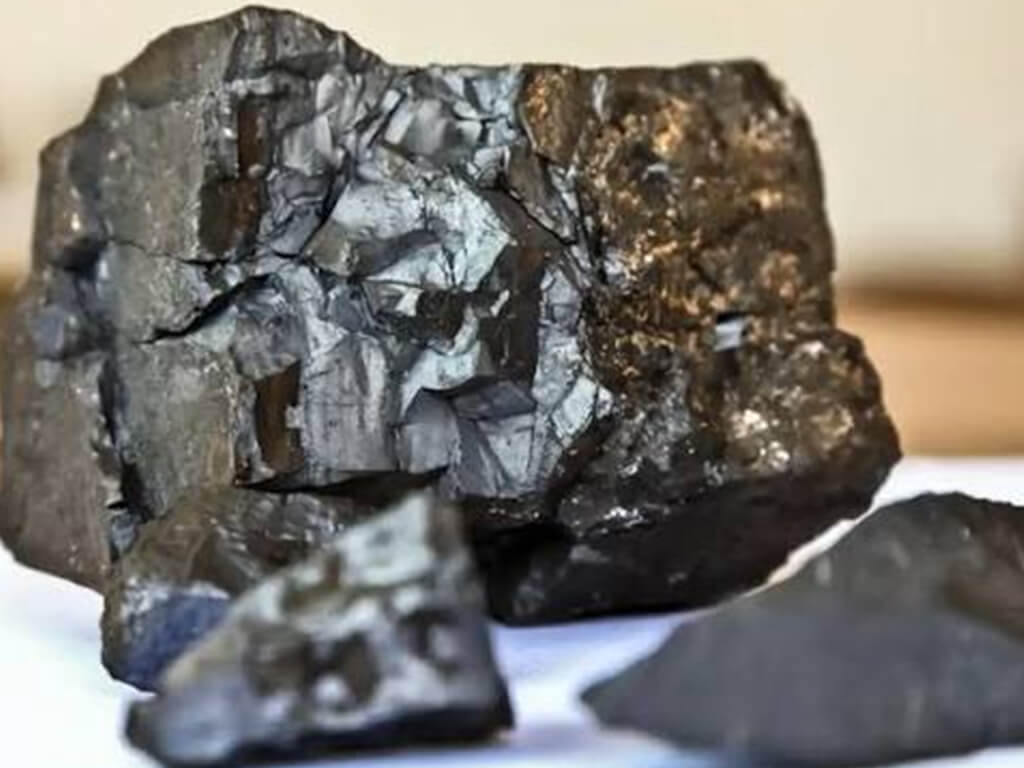
● Wolframite: Dark in color and high in density, it is typically found in quartz vein deposits. It can be effectively concentrated using gravity separation, making the beneficiation process relatively straightforward.
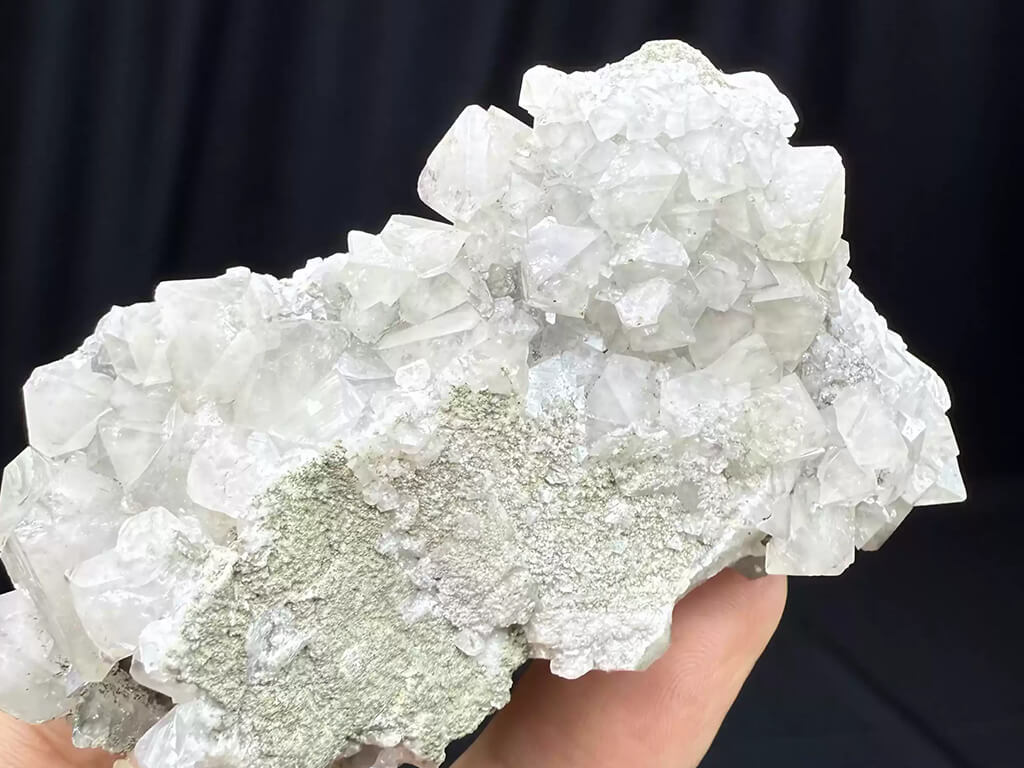
● Scheelite: Light in color, it often co-occurs with metals such as tin and molybdenum. Due to its complex gangue composition, froth flotation is usually required for separation and purification.
These two minerals possess vastly different properties, necessitating distinct beneficiation methods. Consequently, understanding the differences between them is a crucial step in mastering the entire process of tungsten mining and processing.
How Is Tungsten Mined?
Mining Methods:
● Open-pit mining: Suitable for large-scale deposits where the ore body lies close to the surface; characterized by high efficiency and low costs, though it causes significant environmental disturbance.
● Underground mining: Involves higher costs and complex processes, but is effective for accessing deeply buried ore bodies.
Classification by Deposit Type
Skarn-type deposits: These frequently yield scheelite with relatively high ore grades; underground mining is typically the primary extraction method.
Quartz-vein-type deposits: These contain high-quality wolframite; as the deposits are often deeply buried, extraction usually takes place via underground tunnels.
Greisen-type deposits: These generally have lower grades and smaller scales; underground mining via inclined ramps is commonly employed.
Porphyry-type deposits: These feature extensive ore bodies; particularly for low-grade deposits, open-pit mining is often the more cost-effective approach.
Detailed exploration is required prior to mining to assess factors such as ore body geometry, grade, and depth, thereby enabling the selection of the most suitable extraction method. The final choice depends on a comprehensive evaluation of resource conditions, environmental regulations, and other relevant factors.
Environmental and Safety Challenges in Tungsten Mining
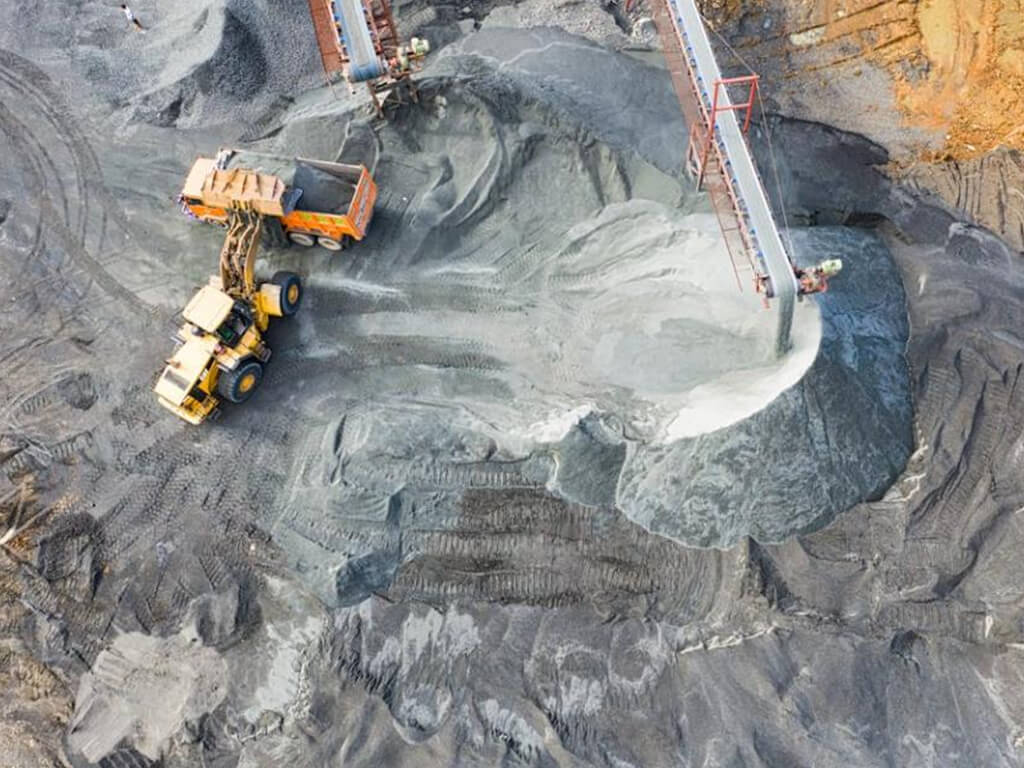
The costs associated with tungsten mining often lie hidden from view. Open-pit mining can easily damage vegetation, potentially leading to long-term ecological issues if land reclamation is not promptly undertaken. Underground mining requires careful management of groundwater contamination risks, with the treatment of acidic mine water serving as a critical step.
Regarding safety, mine collapses and dust explosions pose two major hazards. Some mining areas in China have implemented real-time monitoring systems that use sensors to provide early warnings of rock strata displacement and gas concentrations. Furthermore, upgrades to workers’ protective equipment have helped reduce accident rates.
In addition, the utilization of tailings and the recycling of tungsten are gaining momentum. Consequently, major global tungsten-producing regions are promoting standards for green mining and processing, necessitating a continued balance between economic viability and environmental sustainability.
How Tungsten Is Processed
The journey from tungsten ore extraction to the final product involves complex and intricate processing. Different types of tungsten ore require distinct processing routes tailored to their unique physicochemical properties. However, the core of tungsten beneficiation lies in the efficient separation of tungsten minerals from impurities, ensuring that the subsequent smelting process receives raw materials of the required purity.
1. Wolframite Processing:
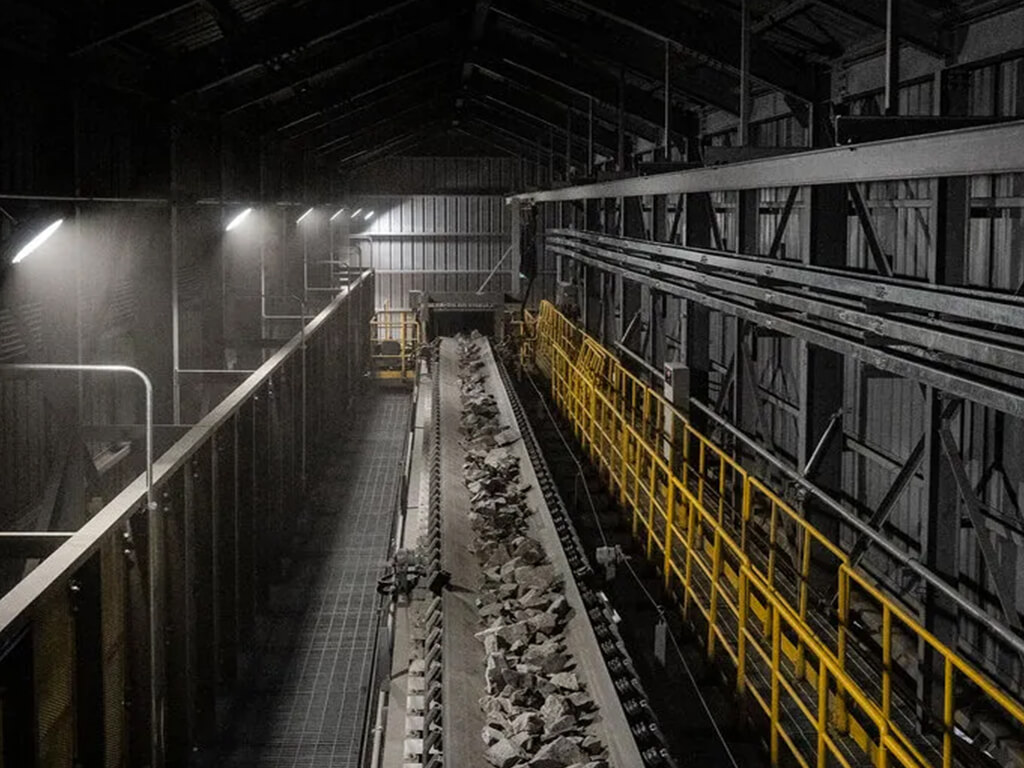
Given that wolframite has a significantly higher specific gravity than associated minerals, séparation par gravité stands out as the most cost-effective and efficient processing method.
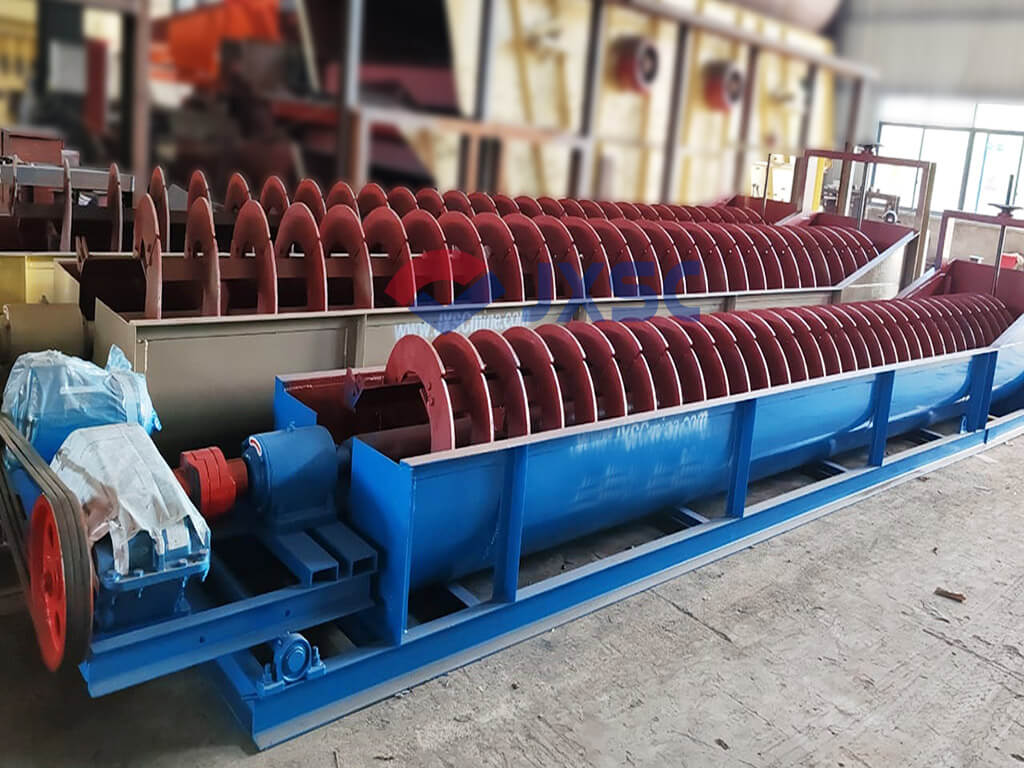
The ore first undergoes crushing and grinding to ensure the tungsten minerals are fully liberated from the gangue. It is then fed into jigs and shaking tables, where the combined action of water flow and vibration causes particles to segregate based on density. While coarse particles can be easily processed using jigs and shaking tables, spiral chutes are employed to capture the finer fractions. The finest slimes present the greatest challenge; gravity separation alone is often insufficient, necessitating the use of flotation for recovery.
2. Scheelite Processing:
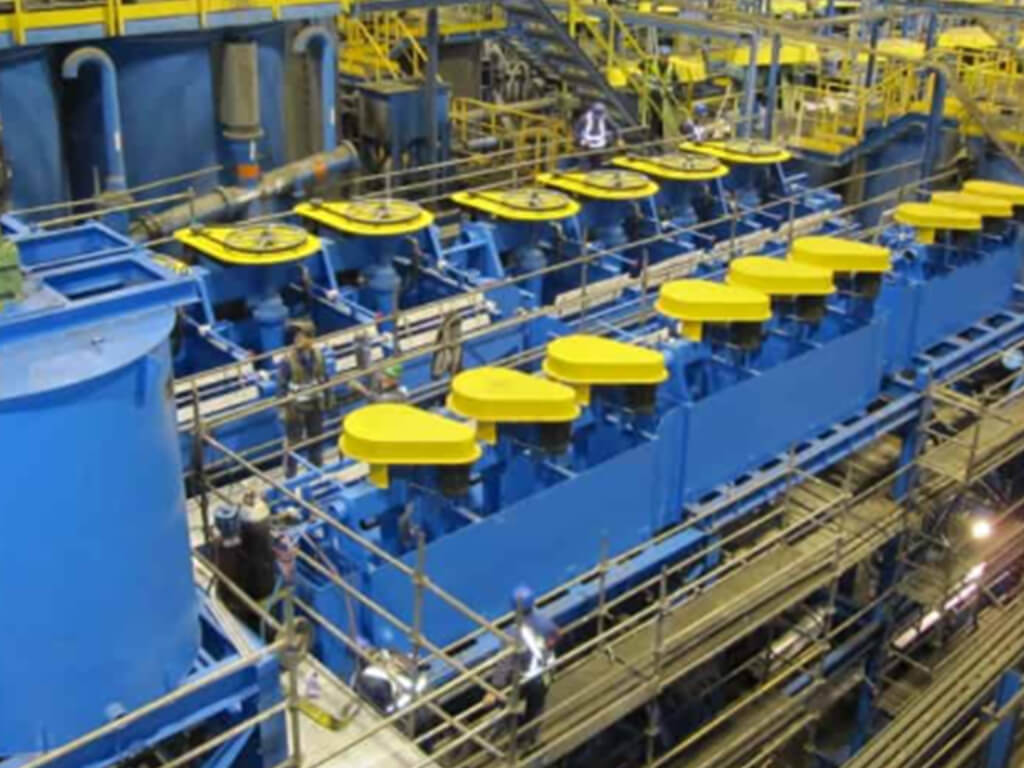
Scheelite has a relatively low specific gravity, making gravity separation ineffective; consequently, flottation par mousse is typically employed.
During scheelite beneficiation, finely ground ore is fed into a flotation machine along with water and chemical reagents. Collectors adhere to the surface of the scheelite, rendering it hydrophobic and aerophilic, thereby allowing the particles to attach firmly to rising air bubbles. Meanwhile, depressants suppress gangue minerals, such as calcite and fluorite, preventing them from contaminating the concentrate. While traditional oleic acid-based collectors have long been used, newer reagents such as benzohydroxamic acid have demonstrated superior performance in recent years. The addition of small amounts of lead salts as activators can further enhance flotation efficiency. Through this process, a concentrate with a WO₃ content exceeding 55-60% can be produced. Notably, precise control of the pH value during flotation directly influences the quality of the final concentrate.
3. Tungsten Smelting and Refining:
Tungsten concentrate obtained from ore dressing must undergo chemical smelting to be transformed into a usable product. The process begins by subjecting the concentrate to high-temperature alkaline leaching, which dissolves the tungsten while causing impurities to precipitate. This is followed by multiple stages of chemical purification to progressively remove residual elements such as iron, silicon, and magnesium. Subsequently, the tungsten is converted into calcium tungstate and then redissolved in aqueous ammonia to form an ammonium tungstate solution. Finally, the solution undergoes evaporation and crystallization, yielding a pure white powder known as ammonium paratungstate (commonly referred to in the industry as APT).
Conclusion
As an indispensable strategic resource for modern industry, tungsten’s value is heavily influenced by the efficiency of its mining and processing chain. Wolframite is efficiently concentrated via gravity separation, while scheelite relies on froth flotation for precise separation; meanwhile, advanced hydrometallurgical techniques ensure the stable production of high-purity products. In the context of the explosive growth of emerging fields such as new energy and semiconductors in 2026, the soaring price of tungsten ore, and the competition among countries to stockpile strategic resources, whoever first fully understands the entire chain of tungsten mining and processing will gain an advantage in the new round of industry development. If you are planning a tungsten project or seeking beneficiation solutions, please contact us; JXSC offers customized, professional advice on tungsten processing design and equipment selection to help you maximize the value of your resources.

 English
  Spanish
  French
  Russian