
Why is the modern mining industry increasingly reliant on hydrocyclones? In the fields of ore processing and mineral separation, hydrocyclones have long been indispensable core classification equipment. Thanks to their simple yet efficient design, they utilize centrifugal force to achieve precise particle classification and desliming, thereby significantly boosting mineral recovery rates and production efficiency. This article will take you through a thorough understanding of this “sorting tool that has no moving parts yet is stable and efficient,” from its core parts and working principle to its practical applications in mining.
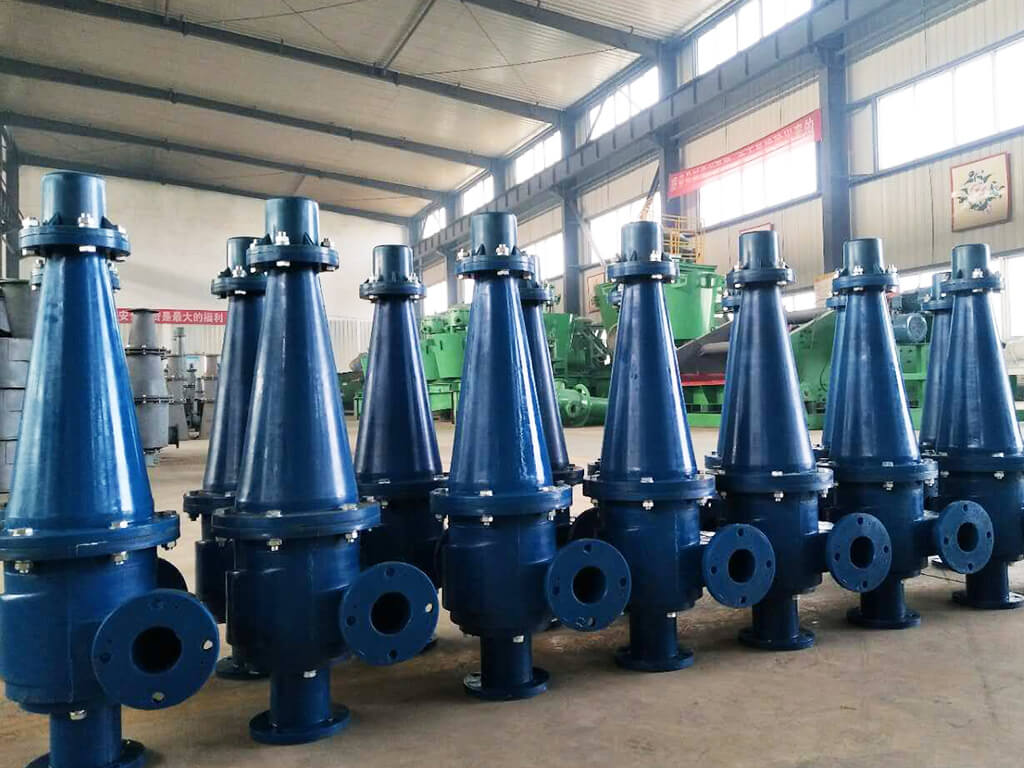
What is a hydrocyclone?
Definition:
A hydrocyclone is a conical device that uses centrifugal force to separate solids from liquids and classify particles. Because it has no moving parts throughout the process and no transmission mechanisms such as motors or bearings, it experiences minimal mechanical wear and operates with high stability. Consequently, it is renowned in mineral processing plants as “low-maintenance classification equipment,” capable of continuous, long-term operation with minimal downtime. When handling larger volumes of slurry, multiple units can be connected in parallel to form a “hydrocyclone group,” working in tandem to multiply processing capacity and flexibly meet the throughput requirements of various production lines.
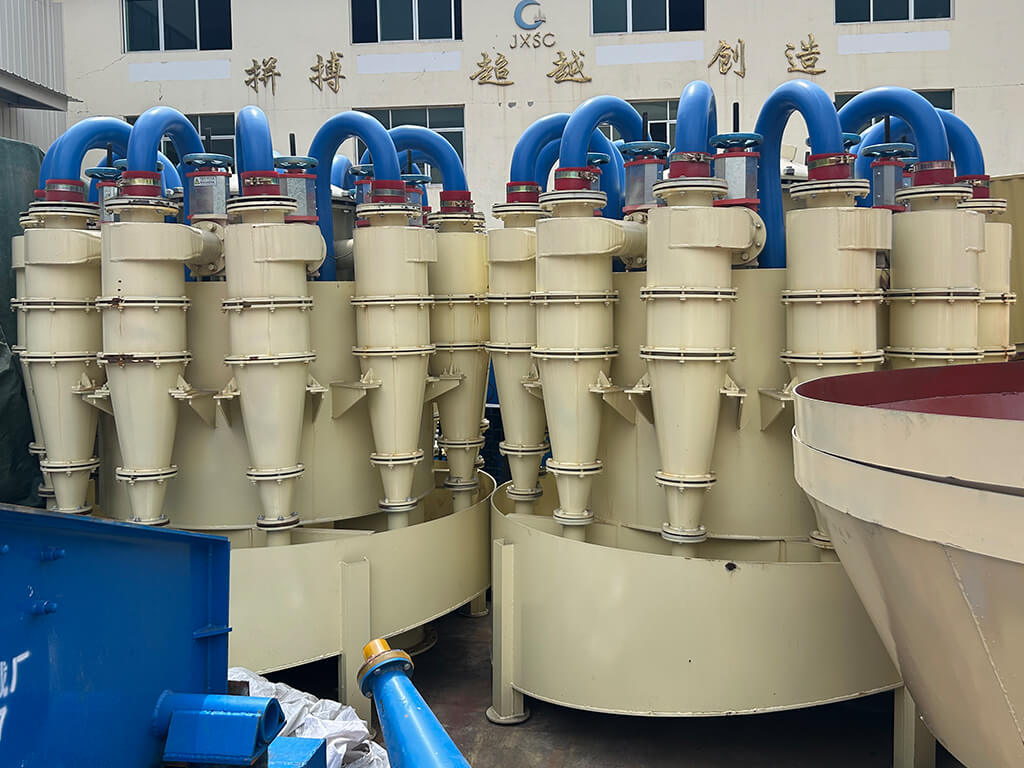
Spiral classifiers Vs. Hydrocyclone:
Spiral classifiers:
Classificateurs à spirale rely on a slowly rotating spiral shaft to convey coarse sand. While capable of classification, they feature complex structures and blades prone to wear; they also require significant installation space and entail relatively high operating energy consumption and maintenance costs.
Hydrocyclones:
Compact in size and free of moving parts, they offer significantly lower failure rates and ensure continuous, stable operation.
For the same processing capacity, hydrocyclones are often smaller and more energy-efficient, yet deliver separation performance that is just as effective. Thanks to these advantages, they are increasingly favored in modern mineral processing and classification workflows, gradually replacing traditional spiral classifiers.
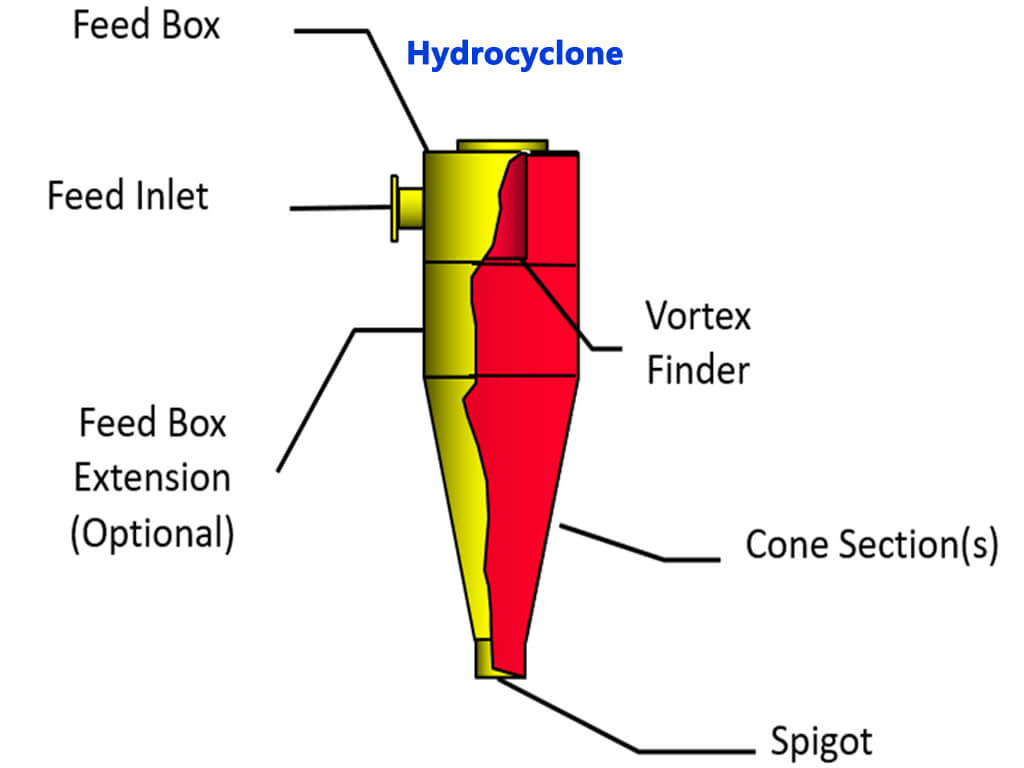
6 Key Parts of a Hydrocyclone
(1) Feed Inlet
Located on the upper side of the hydrocyclone, the feed inlet is the sole entry point for the slurry into the main body. Its specialized tangential design generates a powerful centrifugal force field, instantly inducing a vigorous vortex within the conical section.
(2) Cylindrical Section
Upon entry, the slurry first flows through the upper, wider cylindrical section, which acts as an “acceleration track” for the vortex. Here, the slurry spins rapidly against the inner wall, gaining velocity and building up the centrifugal force necessary for subsequent particle stratification; this section serves as a crucial link connecting the feed stage to the separation stage.
(3) Conical Section
As the slurry flows downward into the narrowing conical section, the vortex accelerates further, causing particles to gradually stratify based on size and density. A smaller cone angle is suitable for separating fine particles, whereas a larger angle facilitates the processing of high-concentration slurries.
(4) Overflow Pipe
The overflow pipe is a slender tube extending into the center of the unit, serving as the exit for fine particles. Once a low-pressure zone forms at the vortex core, finer and lighter particles are drawn into the pipe by the rising fluid flow and eventually discharged as overflow from the top. It determines the quality of the fine-particle product and is a critical component for controlling separation precision.
(5) Apex (Underflow Outlet)
The aperture size of the apex regulates the discharge concentration of coarse particles; its replaceable design allows for adaptation to various operating conditions. Heavier, coarse particles travel down the cone wall and are discharged from this point, forming the “underflow.”
(6) Liner
The inner wall of the hydrocyclone is typically lined with polyurethane or ceramic to protect critical components, offering superior wear resistance compared to steel structures. Given that the slurry contains abrasive particles and causes intense scouring, this liner significantly mitigates wall wear, extends equipment service life, and substantially reduces maintenance costs.
Adjusting the Hydrocyclone Cut Size:
The cut size refers to the particle size threshold separating coarse and fine particles; it is precisely controlled by adjusting the feed pressure (0.03–0.4 MPa) and the underflow nozzle diameter (10–25% of the cyclone diameter). Increasing the feed pressure accelerates the vortex, resulting in finer separation and a shift of the cut size toward the finer range; reducing the underflow nozzle aperture concentrates the discharge of coarse particles and also shifts the separation threshold. Operators can flexibly adjust the product particle size to suit different ore types and mineral processing requirements.
How does a Hydrocyclone Work?
Step 1: Tangential Feed Entry
The slurry enters the cyclone tangentially through the feed inlet, generating initial rotational momentum. The feed pressure is typically maintained between 0.03 and 0.4 MPa to ensure a stable tangential flow velocity and prevent turbulence from compromising separation efficiency.
Step 2: Vortex Formation
As the fluid moves from the cylindrical section toward the conical section, it accelerates, establishing a stable vortex and progressively intensifying the centrifugal force. Under the influence of inertia, solid particles migrate toward the outer wall, initiating the stratification of coarse and fine particles.
Step 3: Centrifugal Classification
Within the vortex, heavier, coarse particles are subjected to stronger centrifugal forces and travel downward along the wall, while lighter, fine particles are displaced toward the low-pressure central zone, achieving preliminary density-based stratification.
Step 4: Separation of Overflow and Underflow
Fine particles are discharged through the upper overflow pipe along with the inner vortex flow, while coarse particles exit through the bottom underflow nozzle. Increasing the diameter of the underflow nozzle can reduce classification precision while increasing processing capacity.
Applications of Hydrocyclones in Mining
1. Classification in Grinding Circuits
Closed-Circuit Grinding:
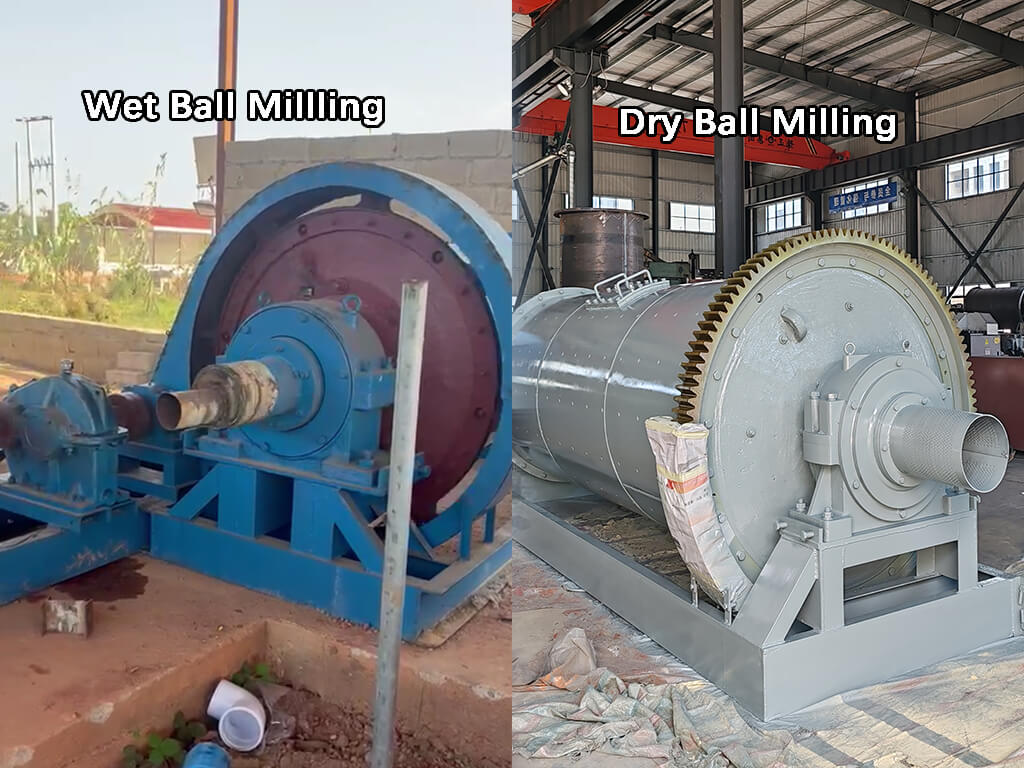
In mineral processing plants, hydrocyclones are frequently paired with broyeurs à billes to form closed-circuit grinding systems. They classify the slurry based on particle size: fine particles proceed directly to downstream processes, while coarse particles are returned to the mill equipment for regrinding. This approach enhances efficiency and prevents energy waste caused by over-grinding.
2. Dewatering and Thickening
Reducing Tailings Moisture Content:
Hydrocyclones are widely used for slurry dewatering; they utilize centrifugal force to expel water and concentrate solids, thereby reducing the moisture content of tailings. The treated tailings are easier to stack and transport, and significant amounts of clear water can be recovered for recycling, balancing environmental considerations with cost-efficiency.
3. Desliming
Removing Fine Slime Impurities:
Ores often contain fine slimes and clay, which can adversely affect downstream flotation processes and final product grade. Hydrocyclones efficiently separate these fine impurities, leading to higher concentrate grades and significantly improved recovery rates.
4. Dense Medium Separation
Density-Based Separation:
In the processing of minerals such as diamonds, hydrocyclones are often used in conjunction with dense medium suspensions. By sensitively responding to density differences, they precisely separate light and heavy minerals, enabling high-precision dense medium separation—a critical process for the recovery of valuable minerals.
Conclusion
From the instantaneous vortex of tangential feed to the divergence of overflow and underflow, this hydrocyclone with no moving parts steadily supports the classification, dewatering, desliming, and heavy media beneficiation processes in modern mining through the skillful application of centrifugal force. Its simple structure, low maintenance requirements, and energy efficiency have made it a trusted choice for 60% of mineral processing plants. We hope this “Hydrocyclone 101” overview has provided you with a clear understanding of how these units work and their various applications. If you are currently looking to select a hydrocyclone, please contact JXSC Mine Machinery Factory; our expert team is ready to tailor the ideal separation solution to your specific needs.
 English
  Spanish
  French
  Russian