
Many people want to try their hand at gold panning to earn some extra cash. Do you know what the first pitfall is most easily encountered? It’s actually not understanding the difference between placer gold vs lode gold. Today, both amateur explorers and savvy investors are still debating: which type of gold is easier to obtain? Which has greater long-term value? Placer gold, scattered among the sand and gravel of riverbeds, shines brightly and can often be found with just a few hundred dollars’ worth of panning material. Lode gold, on the other hand, is stubbornly embedded in quartz veins, requiring specialized geological knowledge and equipment worth tens of thousands of dollars to mine. This article will break down the core differences between placer gold and lode gold from the perspectives of formation principles, search difficulty, profit potential, and mining and extraction methods. It will help you find the right direction for yourself, allowing you to achieve the highest value and receive positive feedback on your first gold mining attempt.
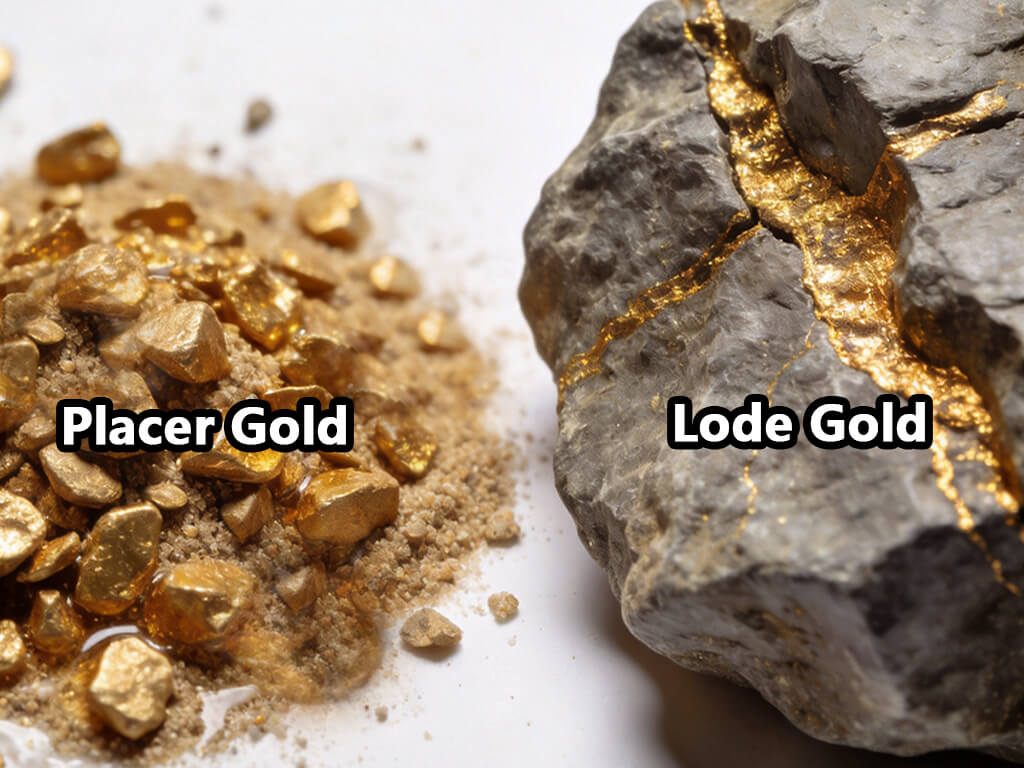
Basic definition: What are Placer Gold and Load Gold?
1. Placer Gold Formation
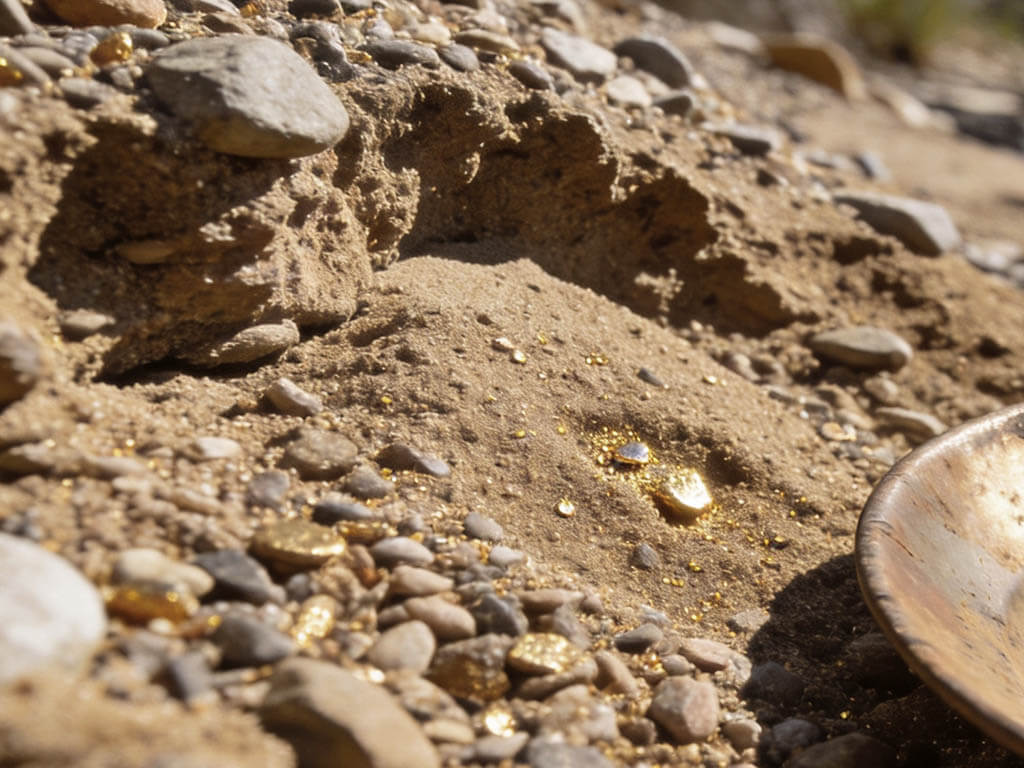
Placer goldégalement connu sous le nom de or alluvial, is a typical sedimentary placer deposit. Originally primary gold deposits deep within the Earth’s crust, after tens of millions of years of geological movement and rock weathering and erosion, it is transported by rainwater and rivers to gentle riverbeds, floodplains, or ancient riverbed sedimentary layers, where it mixes with silt and gravel and is buried in the shallow surface. These gold grains are usually flaky, granular, or massive, with rounded shapes and smooth surfaces due to long-term abrasion. Common associated minerals are mostly heavy minerals of similar specific gravity, such as magnetite, garnet, zircon, and ilmenite; some may also be mixed with quartz sand and rutile.
How to Find Placer Gold?
Placer gold particles are typically concentrated in rivers, ancient riverbeds, or alluvial plains, where they are mixed with sand and gravel. The first step in finding placer gold is to use a metal detector to scan shallow areas, combined with a panning pan to test the gold content of the sand layers. Advanced exploration can use drilling equipment to obtain samples from deeper sedimentary layers to confirm placer gold grades and reserves.
2. Lode Gold Formation
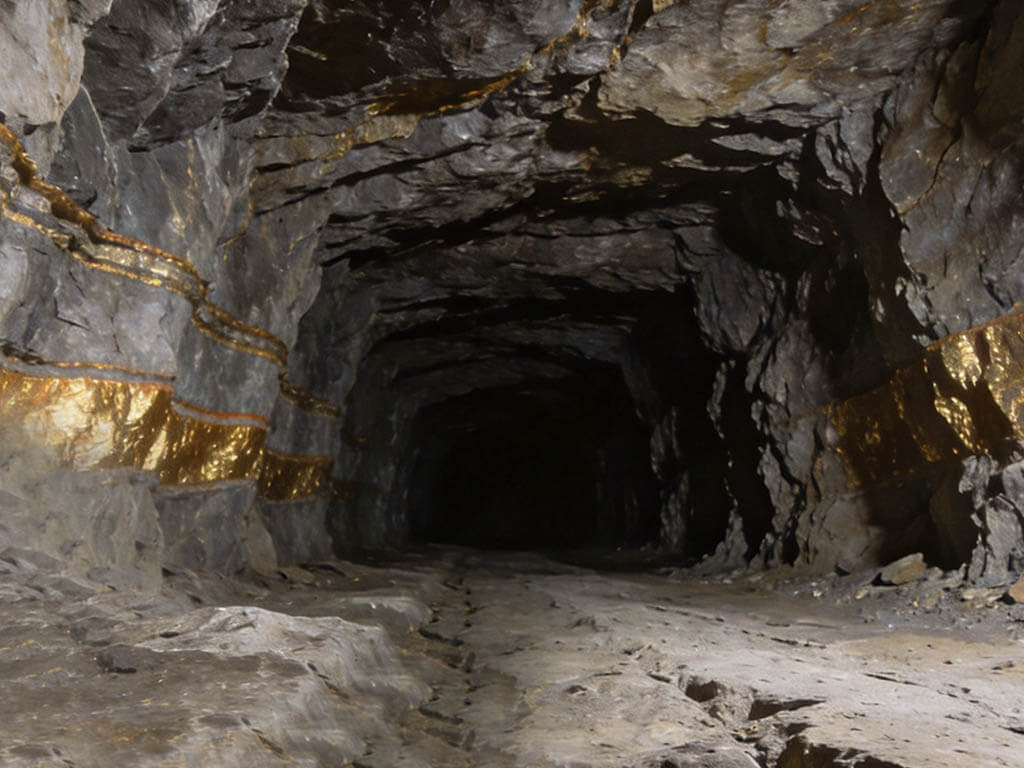
Lode gold, also known as a rock gold ore, is an endogenous hydrothermal deposit. It is a primary ore formed when gold elements fill and crystallize along rock fissures during underground magmatic activity and hydrothermal upwelling. Most are buried at depths of tens to thousands of meters underground, completely embedded within hard granite, quartzite, or other surrounding rocks, and are also called “mountain gold.” Because it has not undergone physical abrasion, its crystal structure is more complete, sometimes even exhibiting a dendritic or dendritic structure in the form of native gold. Common associated minerals are sulfides such as quartz, pyrite, galena, and chalcopyrite. Many lode gold deposits are also associated with metallic elements such as silver and copper.
Exploration Methods of Lode Gold
Gold veins are buried deep, requiring a combination of geological, geochemical, and geophysical methods for locating them. First, geological mapping is used to pinpoint quartz veins and alteration zones, and sulfide content is analyzed by sampling. Next, geophysical methods are used to locate the deep veins. Finally, trenching and drilling are used to collect rock samples for gold grade analysis to determine the size and mining value of the vein.
Mining & Extraction: Which Methods Are Used For Placer Gold Vs Lode Gold?
Placer Gold Mining and Extraction Methods
Placer gold mining often doesn’t require deep digging; it can be found simply by screening within riverbed sediments. In addition, placer gold extraction only requires a simple washing, screening, and gravity separation process.
● Manual Mining: Only a pan, a small shovel, and a metal detector are needed. The gold is directly screened and washed in shallow riverbeds and gravel layers. This method is extremely low-cost but inefficient, suitable for small-scale recreational exploration.
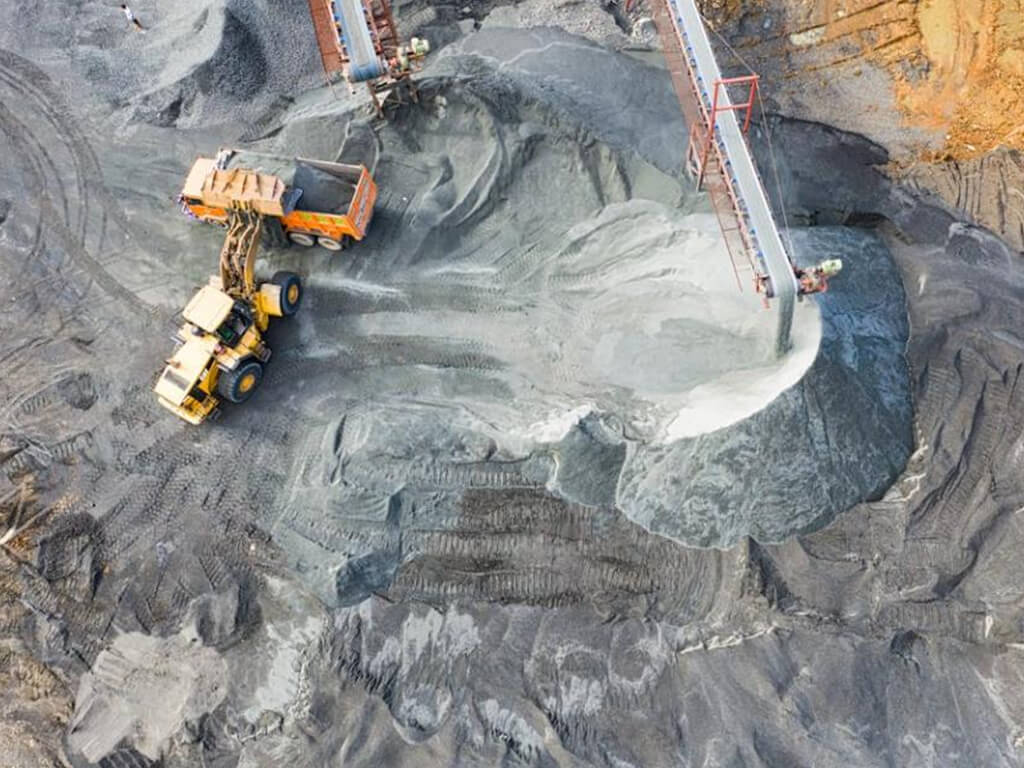
● Mechanical Mining: Depending on the deposit location, a dredger is used to dredge and excavate the gold-bearing gravel layer from the riverbed/ancient riverbed sediments.
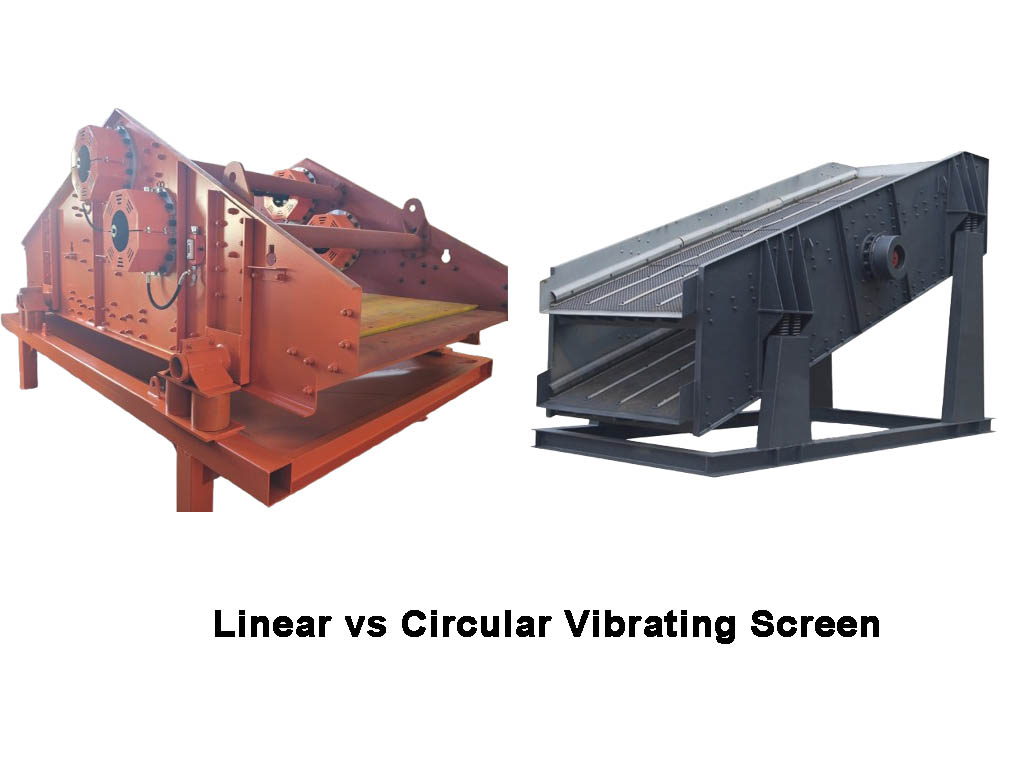
● Washing and Screening: A drum screen or washing machine is used to remove slime and impurities. A vibrating screen separates large-diameter pebbles, resulting in a uniformly sized mixture of fine gold-bearing sand.
● Séparation par gravité (core extraction process of placer gold): A combination of centrifuges, shaking tables, and gold sluices is used to enhance gold particle enrichment and improve recovery rates. The difference in specific gravity between gold and sand/gravel separates gold particles. The coarse concentrate can be directly smelted into gold ingots.
Vein Gold Mining and Extraction Methods
Vein gold mining and extraction is far more complex than placer gold panning, often requiring modern mining technologies such as blasting, mechanical crushing, and chemical purification. Gold particles are embedded in quartz veins or sulfide ores, and the extraction of vein/rock gold requires crushing, grinding, and chemical extraction methods.
● Exploitation minière souterraine: Gold-bearing ore is crushed using blasting and rock drills, then transported to a surface concentrator. Suitable for deep-buried vein gold deposits.
● Exploitation à ciel ouvert: Ore is mined using excavators and crushers; operating costs are lower than underground mining. Suitable for shallow vein gold deposits exposed at the surface.
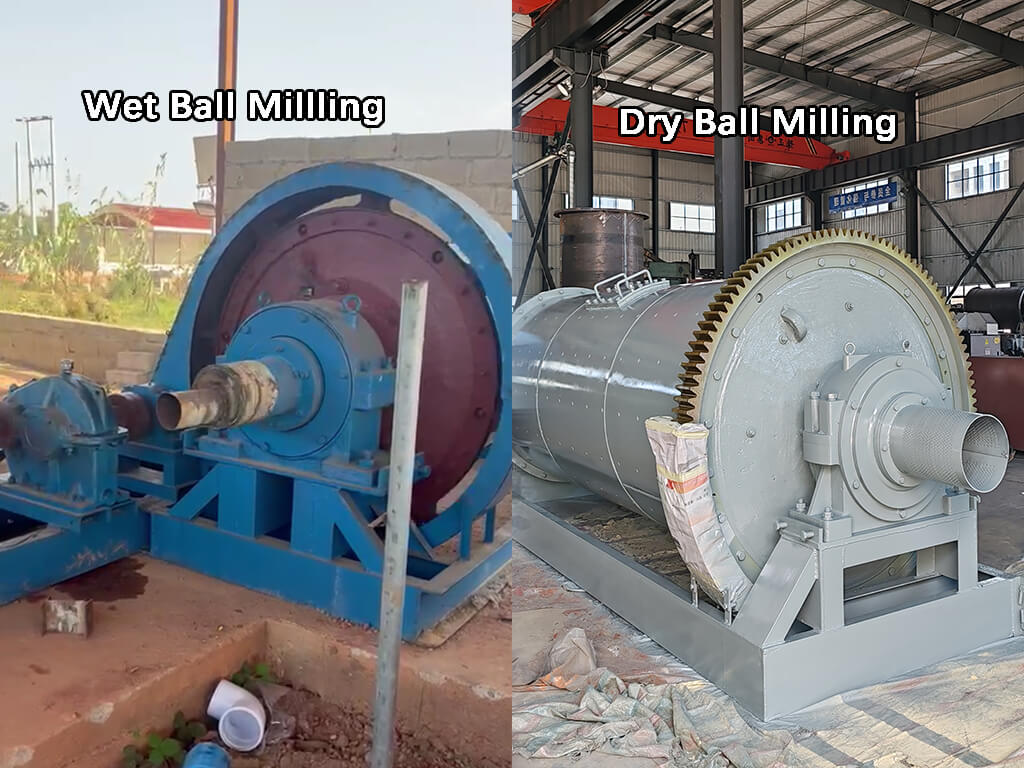
● Concassage et broyage: Ore is ground to below 200 mesh using crushers and ball mills, ensuring thorough liberation of gold particles from the gangue.
● Concentration and Extraction: Flotation or gravity separation processes are used to separate gold-bearing concentrate from the slurry, removing most of the gangue and impurities, and increasing the gold grade. Gravity separation is often used as a roughing pre-enrichment process for vein gold ore; flotation is currently the most widely used vein gold extraction process, suitable for low-grade vein gold ore.
● Carbon-in-Pulp (CIP) gold extraction: Finely ground ore is prepared into a slurry, activated carbon is added to adsorb dissolved gold, and then the slurry is analyzed and electrolyzed to obtain pure gold. This method is suitable for vein gold ores with a high degree of oxidation, and the recovery rate can exceed 95%. Gold CIP/CIL technology is currently the most efficient and effective industrial gold extraction technology.
Economic Analysis: What are the values of Placer Gold vs Lode Gold?
(1) Comparison of Mining Costs
Place gold mining requires very low initial investment; the mined particles only need simple washing to recover the gold. Even on a large scale, only washing and screening equipment and gravity separation equipment are needed, and the overall mining cost is mostly only one-third that of vein gold. Furthermore, placer gold can be sold immediately after mining, without additional refining costs, resulting in a much faster return on investment than vein gold mining. Vein gold mines, on the other hand, require underground tunneling or large-scale open-pit mining, and the ore needs to undergo complex beneficiation processes such as flotation and leaching, significantly increasing infrastructure and operating costs.
(2) Differences in Gold Value
Placer gold has had most of its impurities washed away by water flow during natural transport, resulting in a generally higher overall purity (85%-95%). However, the ore bodies are shallow, and reserves are low and dispersed. Vein gold is mostly associated with sulfides, with an average purity of 50%-80%, requiring multiple processes for purification. Although the initial investment is high, vein gold deposits have large reserves and a mining cycle of 20-30 years. Furthermore, vein gold mines often contain associated valuable metals such as silver and copper, generating multi-metallic revenue and highlighting their long-term economic value.
(3) Market Investment Characteristics
Small-scale placer gold mining offers high flexibility; with proper site selection, it’s possible to extract realizable gold particles, resulting in a short payback period and low trial-and-error costs. Currently, approximately 70% of global gold production comes from vein gold mines, which require significant upfront investment in exploration, approvals, and equipment procurement. Therefore, vein gold mining necessitates stable gold price forecasts to support long-term investment, and its risk resistance depends on the grade of the mineral reserves.
Comparison Summary: Placer Gold Mining vs. Lode Gold Mining
| Comparison Dimension | Placer Gold | Lode Gold |
|---|---|---|
| Processus de formation | Alluvial deposit formed by water erosion and sedimentation, secondary deposit | Formed by geological hydrothermal activity, primary ore deposit |
| Average Purity | 85%–95% (higher purity) | 50%–80% (lower purity, requires refining) |
| Exploration Difficulty | Beginner-friendly, can be found in riverbeds or beaches | High difficulty, requires geological expertise and exploration equipment |
| Mining Methods | Metal detector, gold pan, dredge, open-pit water washing | Underground tunneling, open-pit blasting |
| Extraction Process Cost | Low-cost washing and gravity separation equipment | High-investment beneficiation equipment: crushing, grinding, flotation, etc. |
| Applicable Scale | Small-scale mining can realize monetization in the same month, low trial and error cost, suitable for individuals or small and medium-sized enterprises. | Requires 1–2 years to put into production, suitable for large mining companies with sufficient capital. |
| Legal Threshold | Low-cost gold panning license is sufficient in most regions | Requires mining right application, strict approval procedures |
Conclusion
Placer gold/alluvial gold, due to its shallow ore bodies and low entry barrier, is suitable for mining by small and medium-sized enterprises or individuals, but its resources are usually limited. Its extraction process is simple and requires low investment, but the recovery rate is greatly affected by the grade of the ore. Lode gold/rock gold is located in hard underground rock formations, requiring large initial investments. Its extraction process is complex and costly, but its resource reserves are stable, and it can also recover associated metals. Placer gold and lode gold differ significantly in terms of investment costs, environmental impact, and applicable scale. Choosing the appropriate extraction method requires a comprehensive assessment of ore characteristics and economic viability. Whether you want to learn practical techniques for placer gold washing or need guidance on extraction schemes for vein gold mines, JXSC can provide professional gold processing techniques support and customized solutions. Contact us to tailor an efficient and environmentally friendly beneficiation solution for your gold mining project!
 English
  Spanish
  French
  Russian