
As high-quality copper ore resources gradually diminish, can technology breathe new life into low-grade ores? In recent years, the explosive growth of the new energy sector has driven a surge in demand for copper; electric vehicles, photovoltaic power plants, and energy storage systems alike rely heavily on this “red metal.” With easily accessible, high-grade copper deposits becoming increasingly depleted, the efficient utilization of low-grade ores has emerged as the industry’s foremost challenge. However, breakthroughs and advancements in mineral processing technologies hold the key to unlocking the these low-grade copper deposits full potential. Copper ore concentration is mainly achieved through efficient gravity separation, flotation, and leaching processes. Even “waste rock” with a grade of 0.2% can be refined into industrial-grade copper concentrate.
Global Demand and Challenges for High-Grade Copper Ore
The Irreplaceable Role of Copper in High-Value Industries
Endowed with exceptional electrical and thermal conductivity, corrosion resistance, non-magnetic properties, and ductility, copper has emerged as an indispensable core material in the new energy revolution. Within the electronics industry—where core components such as chip lead frames and consumer electronics circuit boards rely on copper as their primary raw material—demand is exceptionally inelastic. However, underlying this colossal demand lies the rapid depletion of high-quality copper ore resources, leading to an increasingly acute imbalance between supply and demand.
Declining Copper Ore Grades
Low-grade ores often contain higher concentrations of impurities, which complicate the smelting process, reduce recovery rates, and consequently drive up production costs. The decline in ore grades triggers a cascade of issues at the mining stage—including increased stripping ratios, rising beneficiation costs, and higher expenses for environmental protection and waste management—thereby subjecting profit margins across the entire industry value chain to continuous compression.
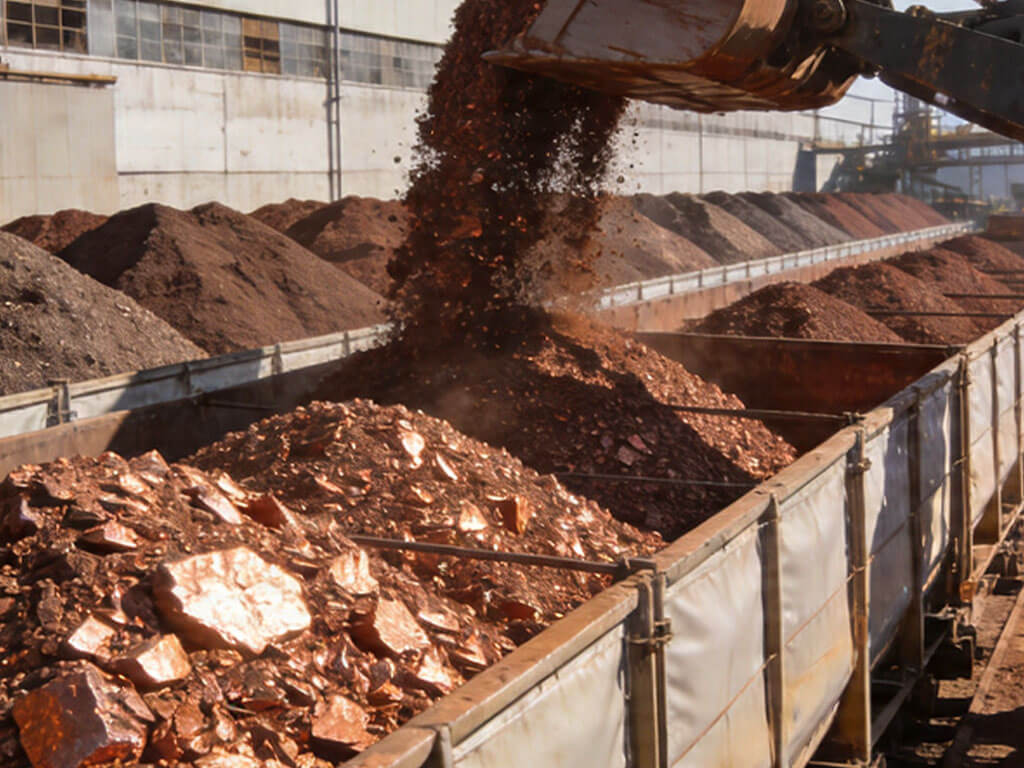
Different Types Of Copper Ore Concentration Logic
(1) Copper Sulfide Ores
Copper sulfide ores represent one of the most readily beneficiated categories within the copper industry, a distinction largely attributable to their inherent hydrophobicity. The surfaces of key sulfide minerals—specifically chalcopyrite (CuFeS₂) and bornite (Cu₅FeS₄)—are non-hydrophilic; consequently, they readily adsorb collectors (such as xanthates) present in flotation reagents and rapidly rise to the surface under the influence of air bubbles.
Concentration Logics:
Thanks to advancements in modern flotation technology—specifically the ability to adjust pulp pH levels and utilize optimized depressants (such as lime) to mitigate interference from iron-bearing minerals—the beneficiation recovery rate for copper sulfide ores now routinely exceeds 85%. Achieving the appropriate grinding fineness is crucial; it ensures the complete liberation of copper minerals while avoiding over-grinding, which can lead to “sliming” losses. Furthermore, high-grade, easily beneficiated copper sulfide ores can achieve recovery rates exceeding 90%, making them the most efficiently processed copper ore currently known. The highly efficient processing of this ore type has enabled nations rich in sulfide deposits—such as Chile and Peru—to maintain their long-standing dominance within the global copper supply chain.
(2) Oxidized Copper Ores
The surfaces of oxidized copper ores—such as malachite (Cu₂CO₃(OH)₂) and chrysocolla—are naturally hydrophilic; however, conventional xanthate collectors struggle to adsorb stably onto these surfaces, making direct beneficiation via traditional flotation methods difficult. Furthermore, these types of ores are generally prone to sliming; the resulting fine slimes can coat the target minerals, consume chemical reagents, clog equipment, and directly reduce ore beneficiation efficiency.
Concentration Logics:
Low-oxidation copper ore concentration with an oxidation rate of less than 10% can be processed using sulfide flotation. For high-oxidation ores—those with an oxidation rate exceeding 25%—flottation alone yields low recovery rates; therefore, it is highly advisable to integrate a complementary leaching process to achieve efficient recovery rates of up to 90%.
(3) Mixed Copper Ores
In mixed copper ores, the properties of the two constituent minerals—copper sulfides and copper oxides—differ significantly. A single processing method can recover only a portion of the available resources; for instance, relying solely on flotation would result in the loss of the majority of the copper oxides, whereas relying solely on leaching would yield low extraction efficiencies for the copper sulfides while incurring high processing costs.
Concentration Logics:
Operators face a persistent dilemma—either opt for a low-cost process at the expense of resource recovery, or invest in a high-cost process that extends the payback period. Furthermore, while adopting a combined “flotation + leaching” process offers a comprehensive solution, the initial capital investment for equipment is higher than that of a single-process approach—a significant hurdle for small and medium-sized mining enterprises, which typically operate with limited financial resources.
Technological Breakthrough in Copper Ore Concentration
1. Flotation
Flotation is currently the most widely applied core technology for copper beneficiation, accounting for over 90% of global copper concentrate production. Its fundamental principle relies on exploiting differences in the surface hydrophobicity of various minerals to achieve selective separation. By adding xanthate-based collectors, frothers, and other agents, the target copper minerals are coated with hydrophobic agents, allowing them to adhere to the air bubbles introduced into the slurry. After floating to the surface of the slurry, they are scraped off to obtain copper concentrate.
Modern flotation technology, through the optimization of eco-friendly reagent regimes and the upgrading of intelligent flotation equipment, is well-suited for processing the vast majority of copper sulfide ores and complex copper ores characterized by fine-grained mineral dissemination. The grade of the resulting concentrate can be consistently maintained at over 20%, reflecting a process of exceptional maturity.
2. Gravity Separation
Gravity separation is a traditional physical copper ore concentration process primarily applicable to ores in which a significant density difference exists between the valuable minerals and the gangue. When processing certain oxidized copper ores or copper-bearing placer deposits, gravity separation is often the preferred method due to its low energy consumption and pollution-free characteristics. Common équipement de concentration par gravité utilized in this process includes shaking tables, spiral chutes, and centrifugal concentrators; these devices effectively separate high-density copper minerals from lighter gangue particles under the influence of gravity or centrifugal force.
For complex copper deposits, gravity separation frequently serves as a pre-treatment or auxiliary process, employed in conjunction with flotation or leaching. This approach not only reduces overall beneficiation costs but also maximizes the recovery rate of copper concentrates. However, a limitation of gravity separation lies in its relatively poor recovery efficiency for fine-grained ores (<0.074 mm), making it difficult to effectively address the requirements of copper ore processing containing ultra-fine mineral particles.
2. Leaching
In actual copper ore concentration plants, leaching is primarily employed to treat low-grade oxide ores, mixed ores, or residual copper minerals found in tailings. The underlying principle involves utilizing chemical solvents—such as sulfuric acid or ammonia solution—to selectively dissolve the copper, followed by the recovery of high-purity cathode copper (99%+) through solvent extraction and electrowinning (SX-EW) processes. Compared to traditional beneficiation methods, leaching bypasses the energy-intensive stages of grinding and flotation, making it particularly well-suited for ores that are difficult to enrich through physical means.
Heap leaching and in-situ leaching are currently the most widely adopted leaching technologies, distinguished by their low capital investment and operating costs. Furthermore, the recycling of spent leach solutions and the promotion of low-pollution leaching processes ensure that this method remains highly competitive amidst increasingly stringent environmental regulations. Driven by technological advancements, leaching has gradually evolved from a supplementary procedure into a mainstream method for high-grade copper processing.
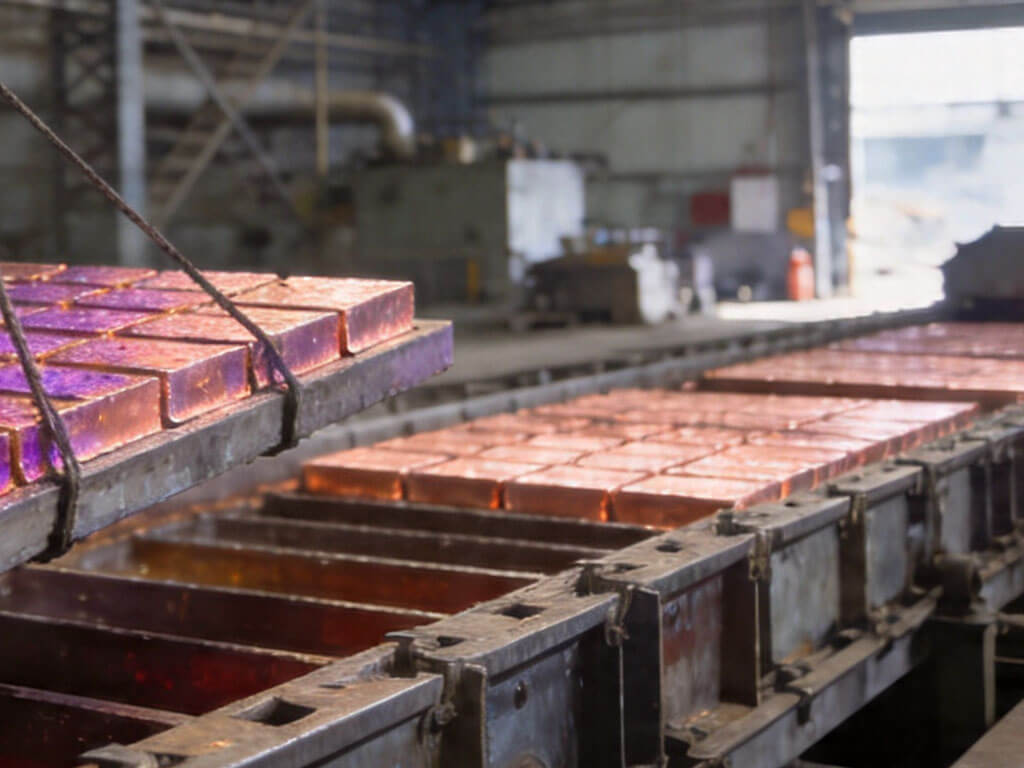
From Low To High-Grade Copper Ore: High-Recovery Rate Solution
● Copper Sulfide Concentration Solutions:
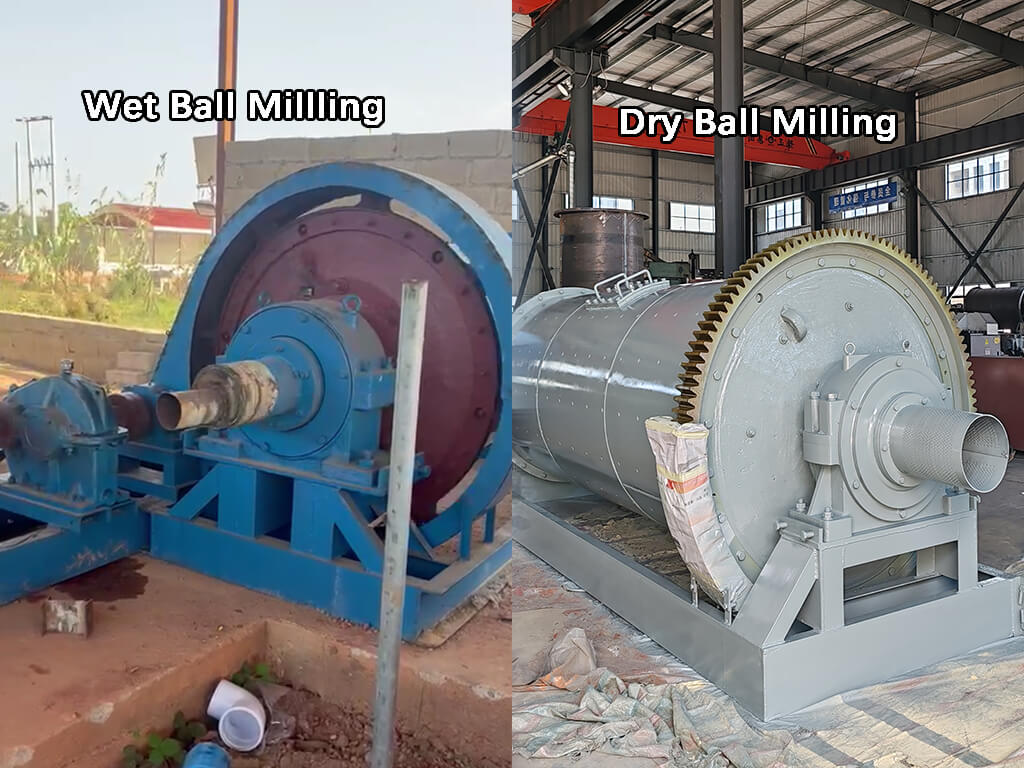
The conventional flotation process typically employs a “three-stage, one-closed-circuit” crushing system followed by a “two-stage, closed-circuit” grinding system. Grinding fineness is controlled such that 65% to 75% of the material passes through a 200-mesh screen; during the flottation stage, a small amount of frother may be added to enhance selectivity.
● Copper Oxide Concentration Solutions:
For copper oxide ores with an oxidation rate below 10%, the sulfidization-flotation method is utilized: sodium sulfide is first added to modify the mineral surface, followed by the addition of xanthate-based collectors for flotation. For low-grade ores with a high oxidation rate (exceeding 30%), leaching is the recommended process, primarily because it bypasses the complex grinding and flotation stages, which are highly energy-intensive.
● Mixed Copper Ore Concentration Solutions:
For mixed copper ores, a staged recovery process is adopted: flottation is first employed to recover the easily floatable copper sulfide minerals, after which the flotation tailings are directed to a heap leaching system to dissolve and recover the copper oxides. This approach maximizes the utilization of mineral resources, achieving an overall recovery rate for copper concentrate exceeding 90%.
Conclusion
Copper ore concentration technology includes gravity separation, flotation, and leaching. It can extract valuable metals from seemingly barren ores. Furthermore, pre-treatment stages—such as crushing, washing, screening, and grinding—are custom-configured to ensure optimal feed preparation for the beneficiation process. Copper sulfide ores achieve high recovery rates through optimized flotation; oxide ores utilize leaching technologies to minimize costs; and mixed ores maximize resource utilization through integrated processing workflows. These processes perfectly address the core pain points of the current copper industry: “declining resource grades and upgrading downstream demand.” They are also the core solutions for unlocking the value of low-grade copper ore and stably producing high-grade copper concentrate. Whether you face the challenges of high-sulfur associated ores, low-grade oxide ores, or complex mixed ores, JXSC offres ore concentration solutions et equipment precisely tailored to your specific ore characteristics, production capacity, and budget, thereby maximizing the profitability of your high-value mineral resources.
 English
  Spanish
  French
  Russian