
Chrome is the chemical element chromium (Cr), chrome is the metallic luster or coating of chromium, and chromite is a chromium-containing ore (chromite). As a strategic metal, it plays an irreplaceable role in stainless steel, special alloys, electroplating, and pigments. However, with the gradual depletion of high-grade chromium ore resources, the efficient extract chromium from low-grade ores with Cr₂O₃ content below 40% has become a major challenge for the mining and metallurgical industries. The serious issue is that low-grade ores often contain complex impurities such as silicon and iron, leading to three major pain points: high dissociation difficulty, high reagent consumption, and soaring environmental treatment costs. This article will focus on the latest optimized end-to-end process for extracting chromium from low-grade chromium ore, from pretreatment to tailings resource utilization, helping you achieve industrial upgrading by “turning waste into treasure.”
Characteristics of Low-Grade Chromium Ore
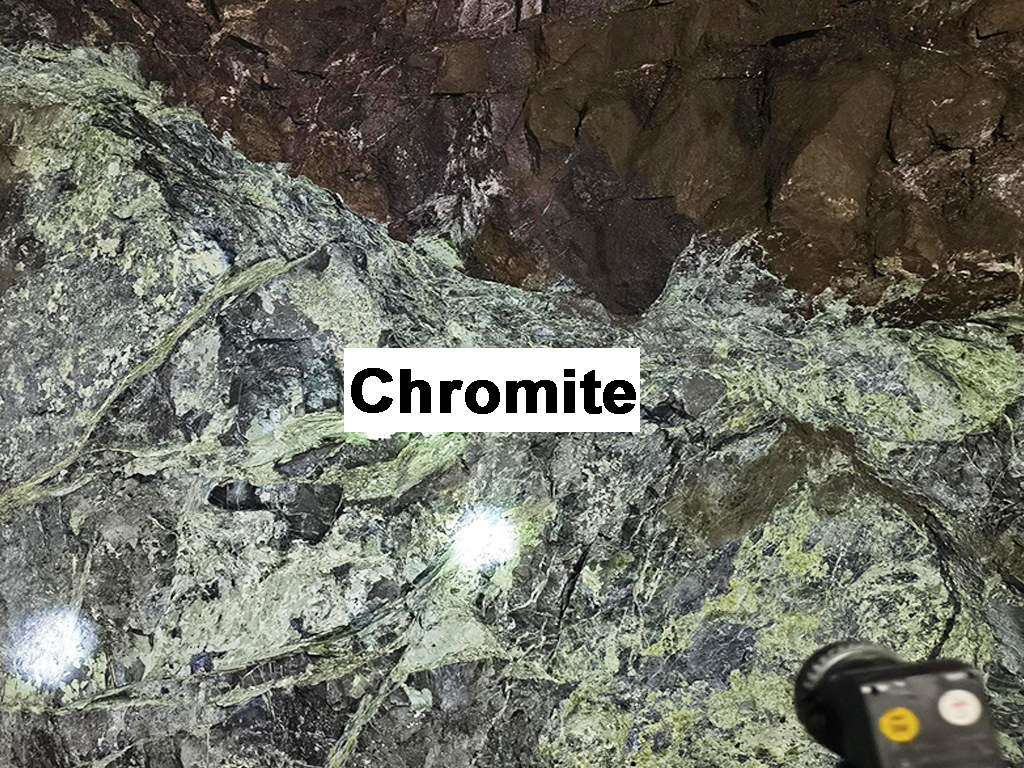
Low-grade chromium ore specifically refers to chromium resources where the chromium trioxide (Cr₂O₃) content is less than 35%. In some deposits, it may even contain only 25%-30%, far below the 48% or higher standard required for industrial smelting. Common impurities include gangue minerals such as silicon (in the form of quartz and serpentine), iron (in the form of magnetite and pyrite), and magnesium (in the form of olivine). These impurities directly affect extraction efficiency:
● Siliceous gangue can encapsulate chromium spinel particles, preventing sufficient liberation of the target mineral during subsequent sorting.
● Iron impurities reduce concentrate purity, increasing iron removal costs in the smelting process.
● Magnesium, by forming a high-melting-point (Mg,Fe)Cr₂O₄ spinel phase, severely reduces metal recovery.
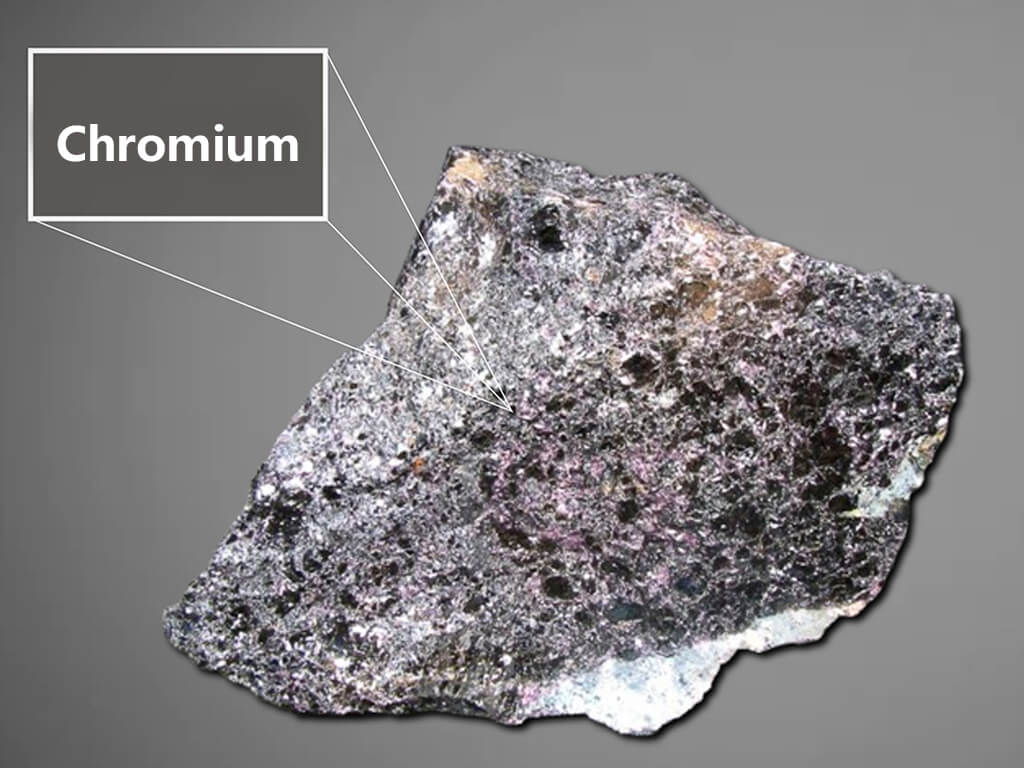
This “low chromium, high impurity” characteristic means that traditional direct-charge smelting processes generate large amounts of waste slag, resulting in a sharp decline in chromium recovery rates. These differences in chemical composition directly dictate that subsequent extraction processes must employ customized chromite impurity separation schemes tailored to each ore type. Therefore, accurately identifying the mineral composition of low-grade chromium is a prerequisite for developing efficient extract chromium from ore solutions.
Why is it difficult to extract chromium From low-grade ore?
(1) High Difficulty in Ore Liberation
In low-grade ores, chromium spinel is often embedded in serpentine as micron-sized fine particles and closely coexists with gangue minerals, making it difficult to achieve sufficient liberation even with conventional crushing and grinding. For example, insufficient grinding fineness prevents the individual separation of chromium spinel; excessive grinding generates a large amount of slime, leading to uneven reagent adsorption during subsequent separation.
(2) High Reagent Consumption
Low-grade ores have a low proportion of target minerals, and their silicate gangues adsorb a large amount of collectors, requiring more reagents and depressants for effective separation. For example, the amount of fatty acid collectors used in flotation is typically 1.5-2 times that of high-grade ores, directly increasing the cost per ton of ore.
(3) Environmental Pressure
The tailings yield of low-grade ores can reach 70%-80%, far exceeding the 50% of high-grade ores. Tailings ponds require large land areas, and leachate treatment is difficult. Simultaneously, reagent residues and wastewater discharge must meet the pollutant emission standards for the mineral processing industry, making clean extract chromium technology a bottleneck that the industry must overcome.
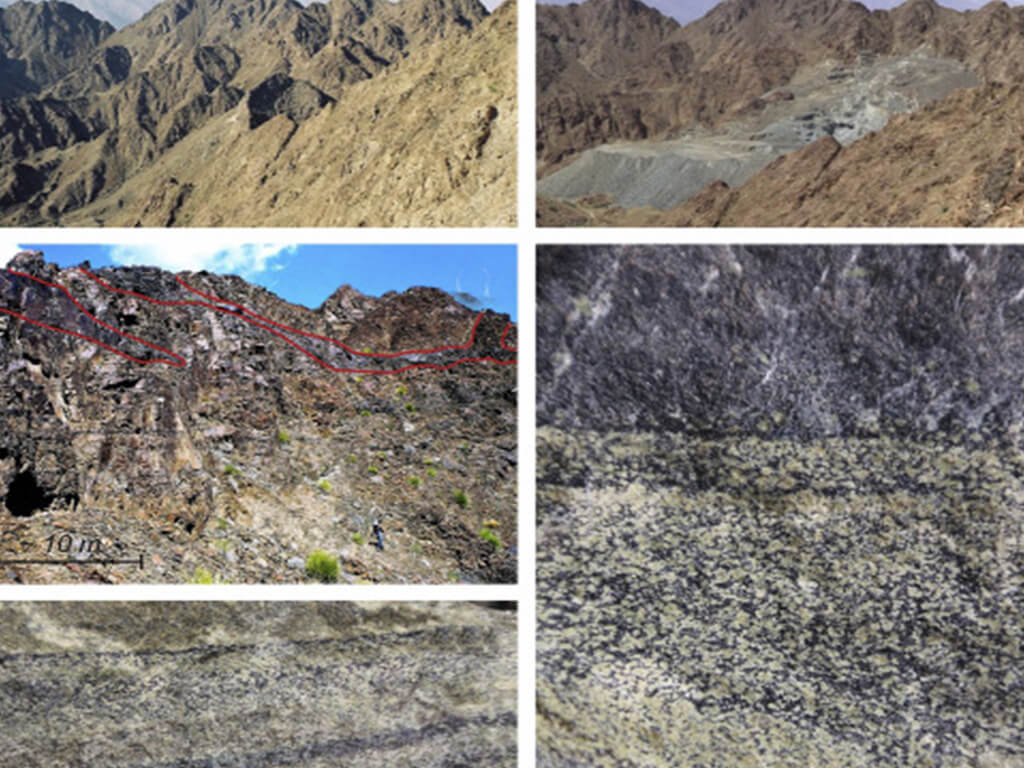
Core technologies To extract chromium from low-grade ores
1. Pre-processing
The core objective of pre-processing is to achieve the liberation of chromite spinel through crushing and grinding, laying the foundation for subsequent separation.
Crushing stage:
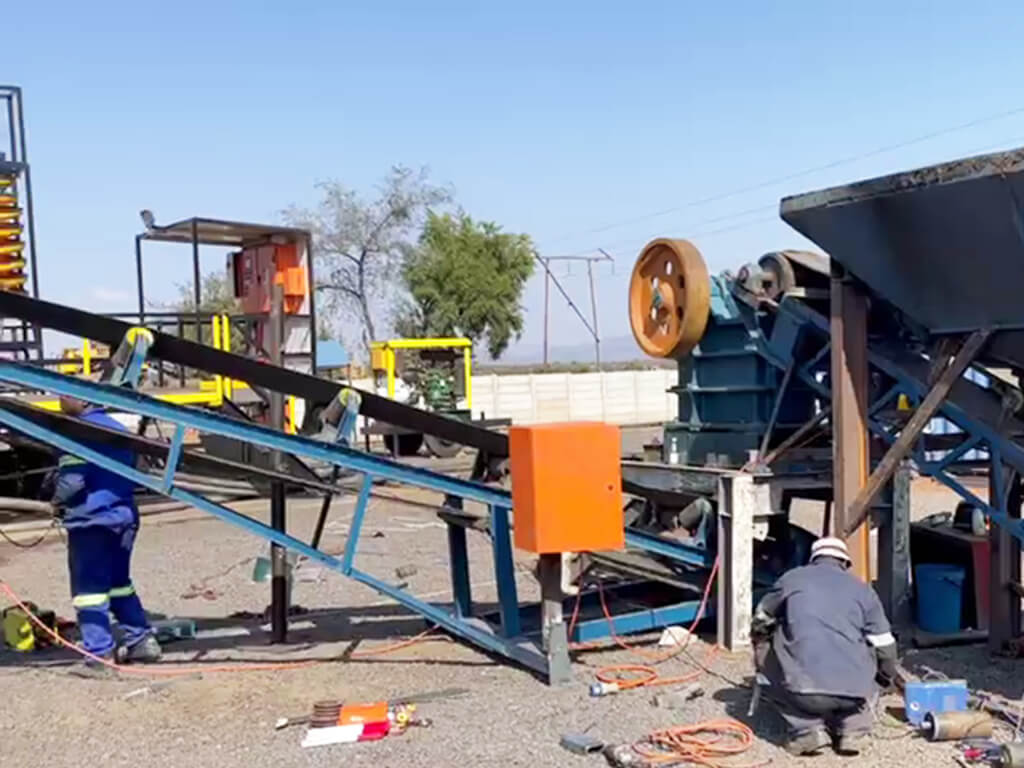
The mainstream method uses a combination of “jaw crusher + cone crusher”: the concasseur à mâchoires is responsible for coarse crushing, reducing the raw ore to below 150mm; the concasseur à cône is used for medium crushing, and its “layered crushing” technology reduces over-crushing, improving the uniformity of the crushed product particle size by 20%.
Washing stage:
It is an important supplement to pre-processing. A laveur à tambour ou trommel screen is used to remove clay and loose siliceous impurities from the surface of the ore. This mainly increases the clay removal rate to 95%, preventing impurities from coating the chromite spinel and affecting subsequent separation.
Grinding Stage:
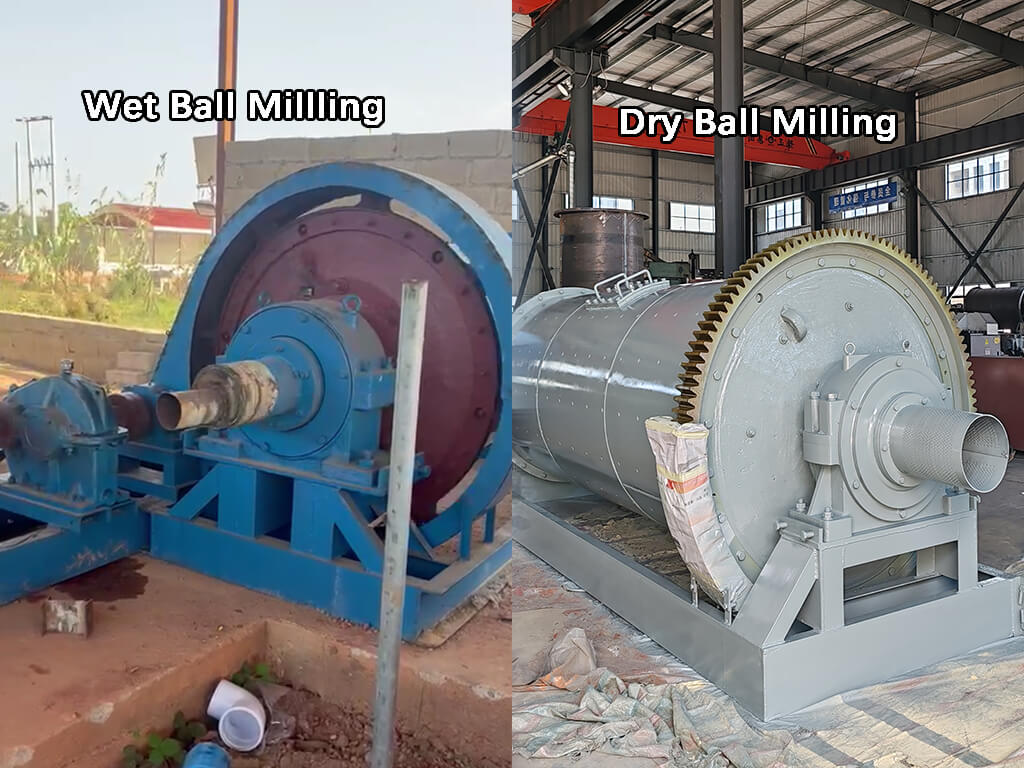
mainly requires a “stage grinding + classification” process: after coarse grinding, a spiral classifier is used, with coarse particles returned for further ball grinding, and fine particles entering the separation stage. This method can reduce grinding energy consumption by 15%.
2. Gravity Separation: Pre-concentration
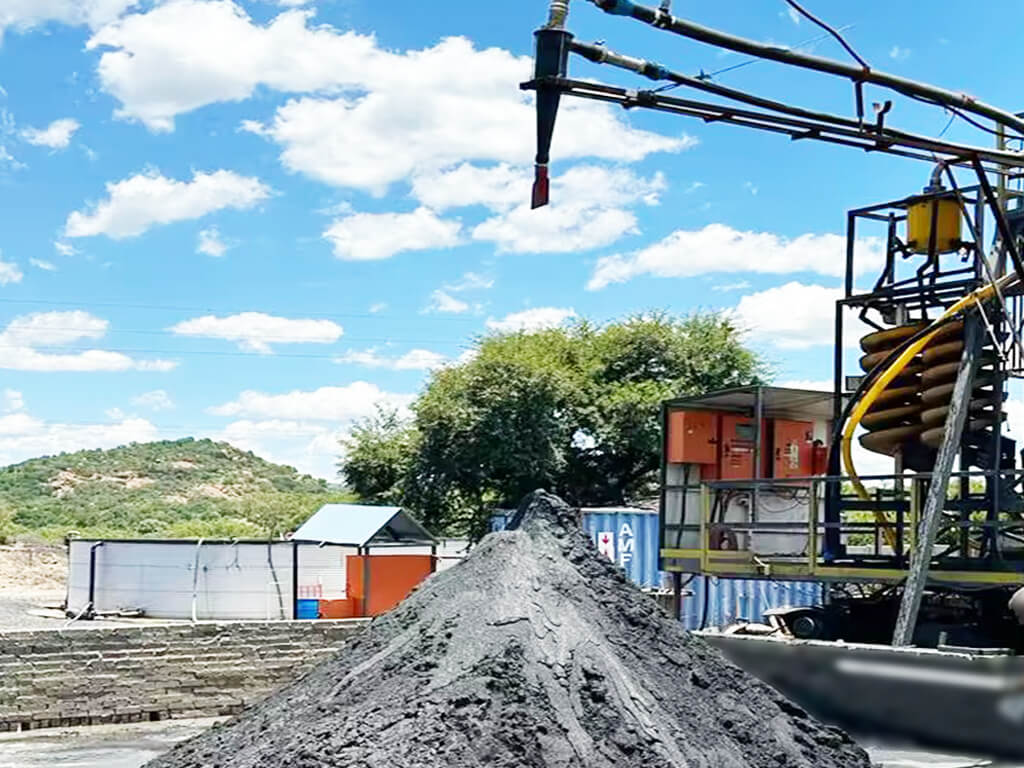
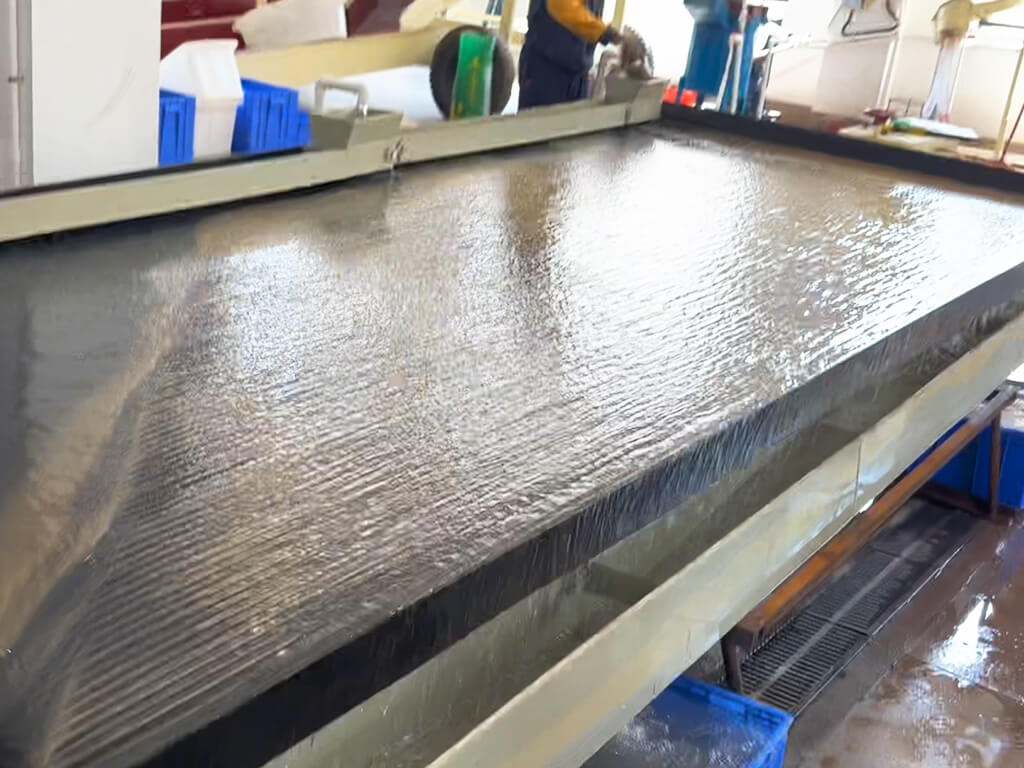
Séparation par gravité is an efficient method for pre-concentrating low-grade chromium ore, with spiral concentrators and shaking tables being the main equipment. Spiral concentrators utilize the density difference of mineral particles for separation; their “variable pitch design” enhances the recovery of fine-grained chromite, with a processing capacity of up to 10 t/h. For ore with a Cr₂O₃ grade of 25%, pre-concentration can increase the grade to approximately 32%. Tables à secousses are suitable for processing the coarse concentrate from spiral concentrators or for the fine-grained separation (0.074-2 mm) of the concentrate. Through the reciprocating vibration of the table surface and the transverse water flow, the denser chromite is concentrated at the concentrate end of the table, while the less dense gangue is discharged with the tailings.
The advantages of gravity separation are low cost and no pollution. It is often used as a pre-treatment step in a “magnetic separation + flotation combined process”—pre-concentrating the ore through gravity separation before entering magnetic separation/flotation for further purification, which significantly reduces subsequent reagent consumption and equipment load.
3. Purification: Impurity Removal and Concentrate Upgrading
The purification stage is the core of transforming low-grade chromium ore into valuable resources. This is achieved by removing impurities such as silicon and iron, thereby upgrading the concentrate grade.
● Silicon Impurity Removal
Anionic reverse flottation is employed: The gravity concentrate is slurried to a pH of 9-10, and starch is added as an inhibitor to reduce chromite loss. A cationic collector (such as dodecylamine) is added to selectively adsorb onto the surface of siliceous gangue minerals (quartz, feldspar). The gangue minerals are then carried to the surface by bubbles, while the chromite remains at the bottom of the tank.
● Iron Impurity Removal
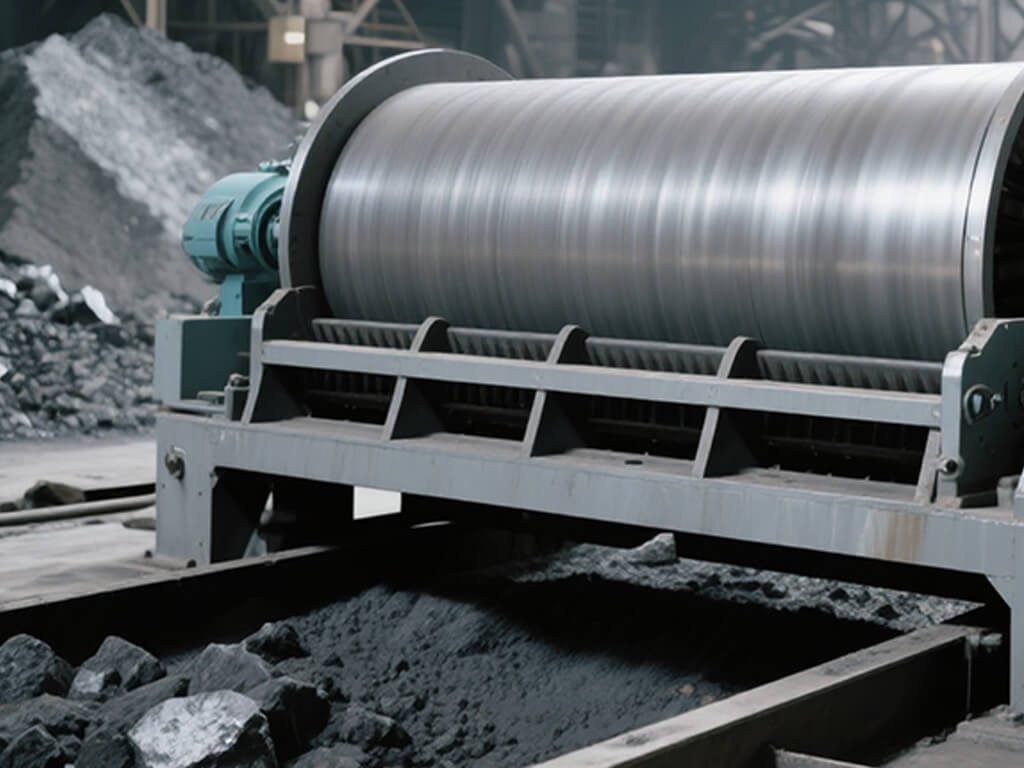
A combined magnetic separation and gravity separation process is typically used. For strongly magnetic iron minerals (such as magnetite), a weak magnetic separator is used for rough separation, followed by gravity separation (shaking table) to recover weakly magnetic iron minerals from the magnetic separation tailings. For weakly magnetic iron minerals (such as hematite), a high-gradient magnetic separator is required: the iron minerals are first recovered using a high strong magnetic separator, followed by fine separation using a shaking table. The iron impurity removal rate can reach 90%.
4. Tailings Treatment
The treatment of low-grade chromium ore tailings must balance environmental compliance and resource recovery.
● Dry tailings disposal technology (mainstream solution):
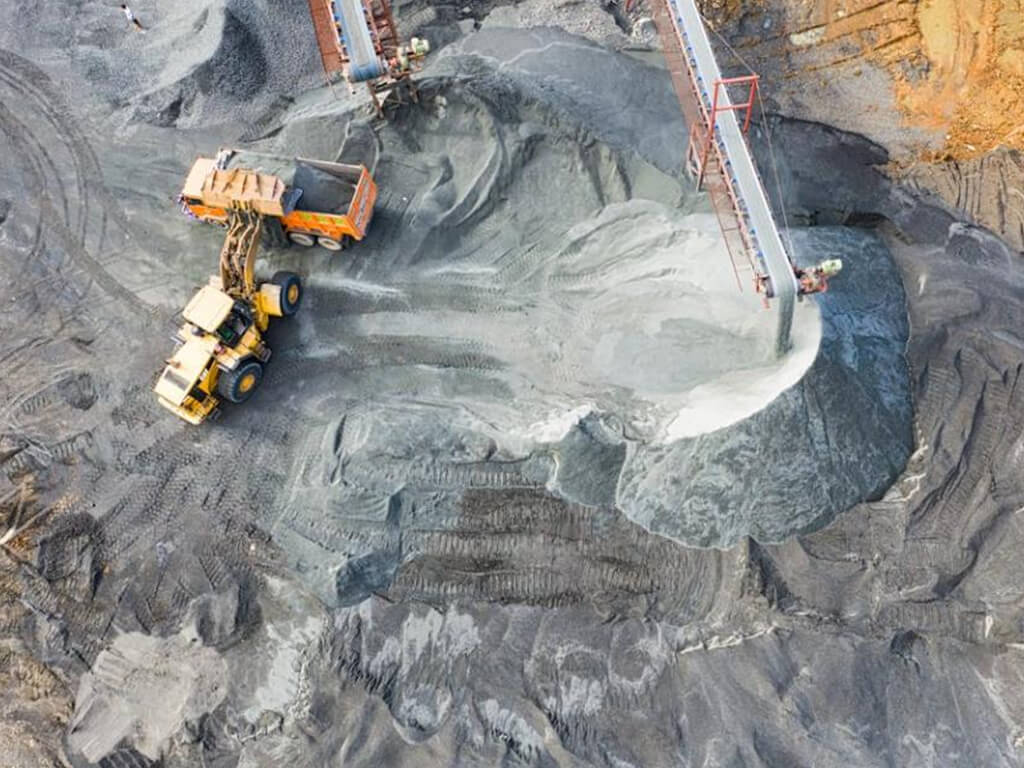
Tailings slurry is dewatered to a moisture content of 15%-20% using a high-efficiency filter press, and then dry-stacking is employed. Compared to traditional wet disposal, this reduces the land area required by more than 70%.
● Tailings reprocessing
It is key to resource recovery: Associated minerals can be recovered through gravity separation or flotation. For example, olivine can be enriched from tailings using spiral chutes; serpentine can be recovered through flotation.
Tailings filtration wastewater is treated by a épaississeur and filter before being recycled. Heavy metal ions are removed through chemical precipitation, ensuring that discharged wastewater meets standards.
Selection Guide for Low-Grade Chromium Ore Extraction Technology
| Technology | Main Process | Key Advantages | Applicable Scenarios |
|---|---|---|---|
| Pretreatment | Crushing-Washing-Grinding | Chromite spinel monomer dissociation ≥85%, grinding energy consumption reduced by 15%, impurity removal rate ≥95%. | Low-grade chromite ore with raw ore Cr₂O₃ grade 15%-25%, high clay/siliceous impurity content. |
| Gravity Concentration | Spiral Concentrator-Shaking Table Combination | Concentrate grade increased to ~32%, fine-grain recovery ≥80%, no reagent consumption, low environmental cost. | Pre-enrichment of coarse-grained (0.074mm-1mm) chromite ore; scenarios requiring reduction of subsequent separation load. |
| Flottation | Reverse Flotation | Concentrate silica content reduced to below 5%, environmental collector dosage reduced by 25%. | High-silica low-grade chromite ore. |
| Séparation magnétique | Wet High-Intensity Magnetic Separator (WHIMS); Drum Magnetic Separator. | Iron impurity removal rate ≥90%, efficient recovery of micro-fine particles. | Chromium concentrate containing strong/weak magnetic iron impurities and prone to oxidation; deep purification of gravity-separated rough concentrate (grade 25%-35%) for high-grade chromite concentrate production. |
| Tailings Treatment | Dry Stacking, Reprocessing | Tailings moisture content ≤12%, land occupation reduced by 70%, associated mineral recovery ≥85%, zero wastewater discharge achieved. | Scenarios with strict environmental requirements (need for compliance discharge) and rich associated resources (olivine/serpentine) in tailings. |
Upgrade your Chromium ore to industrial-grade high-grade concentrate
Facing industry challenges such as low recovery rates, high energy consumption, and significant environmental pressure associated with low-grade chromite ore (Cr₂O₃ content below 35%). JXSC primarily employs a comprehensive chromium process solution encompassing pretreatment liberation, gravity concentration enrichment, purification upgrading, and tailings resource utilization. This solution can transform low-grade chromite ore with a grade ≤8% into high-quality concentrate.
From optimized staged grinding to dry tailings recovery, this approach ensures clean production and maximizes resource utilization while simultaneously achieving a 30% increase in associated mineral recovery revenue.
Conclusion
Our core advantage lies in our modular design, precisely tailored to the characteristics of each ore: for example, we use a “jaw crusher + cone crusher + spiral concentrator” process for coarse-grained ores; a “magnetic separation-flotation combination” technology for fine-grained disseminated ores; and a “washing and screening + spiral + shaking table gravity separation” solution for laterite ores with high levels of clay impurities.
Whether your mine faces challenges such as clay encapsulation, coarse/fine disseminated ores, or environmental pressures, JXSC Mining Machinery Factory‘s customized solutions provide full-chain support from laboratory testing to industrial application, turning low-grade chromium ore into a profit growth driver. Inquire now to obtain a customized technical solution and embark on your journey to upgrade the value of your resources!
 English
  Spanish
  French
  Russian